That heavy pressure behind your eyes and the thick mucus draining down your throat feel terrible. It is easy to assume you need a strong prescription to fix it. You walk into the clinic, expecting a script for antibiotics to kill the infection. But here is the hard truth: in most cases, those pills will do absolutely nothing for you. In fact, they might make things worse by messing up your gut health.
The confusion between viral sinusitis, which is just a common cold affecting your sinuses, and bacterial sinusitis, a true infection requiring treatment, leads to millions of unnecessary prescriptions every year. Knowing the difference isn't just medical trivia; it saves you money, spares you from side effects, and helps fight global antibiotic resistance. Let's break down exactly how to tell them apart and when you actually need that medication.
Understanding the Difference: Viral vs. Bacterial
To treat sinusitis correctly, you first have to identify what is causing it. The vast majority of acute sinus infections-between 90% and 98% according to the American College of Allergy, Asthma, and Immunology-are viral. This means your body is already fighting off a virus, likely the same one giving you a runny nose or sore throat. Your immune system handles this on its own.
Bacterial sinusitis is much rarer, accounting for only 2% to 10% of cases. Bacteria like Streptococcus pneumoniae or Haemophilus influenzae take hold when the sinus passages are blocked and inflamed for too long. The key to distinguishing these two lies in the timeline and the specific nature of your symptoms, not just how bad they feel.
| Feature | Viral Sinusitis | Bacterial Sinusitis |
|---|---|---|
| Duration | 7-10 days with gradual improvement | Persists beyond 10 days without improvement |
| Nasal Discharge | Clear or white, watery | Thick, purulent (yellow-green), foul-smelling |
| Fever | Low-grade or absent | High fever (>102°F / 38.9°C) |
| Pain Pattern | Mild facial pressure, improves over time | Severe unilateral pain, 'double-worsening' pattern |
| Treatment Need | Supportive care only | Antibiotics may be warranted |
A critical concept to understand is the "double-worsening" pattern. With a viral infection, you feel sick for a few days, then start to get better. With a bacterial superinfection, you feel better for a couple of days, then suddenly crash again with severe symptoms. This rebound effect, often happening after day 5 or 7, is a major red flag for bacterial involvement.
The Role of Antibiotics in Treatment
If your doctor confirms bacterial sinusitis, antibiotics become the primary tool. However, not all antibiotics are created equal. The first-line treatment recommended by the NIH's StatPearls is amoxicillin, typically dosed at 500mg three times daily for 5 to 10 days. If you have recently taken antibiotics or live in an area with high rates of resistant bacteria, doctors might prescribe amoxicillin-clavulanate instead.
It is vital to avoid certain older antibiotics as initial treatments. Macrolides (like azithromycin) and trimethoprim-sulfamethoxazole are often ineffective because resistance rates among common sinus bacteria exceed 30% to 40%. Taking these drugs gives you the side effects without the cure.
Why is this distinction so important? Overuse of antibiotics drives antimicrobial resistance. The World Health Organization cites this as a top global health threat. Furthermore, unnecessary antibiotic use exposes you to risks like Clostridioides difficile infection, a severe intestinal condition caused by an imbalance in gut bacteria. This complication can lead to hospitalization and has a significant mortality rate in vulnerable populations.
Effective Home Remedies and Supportive Care
For viral sinusitis, or even mild bacterial cases where you are waiting for antibiotics to kick in, supportive care is your best friend. These methods help drain the sinuses and reduce inflammation without drug interactions.
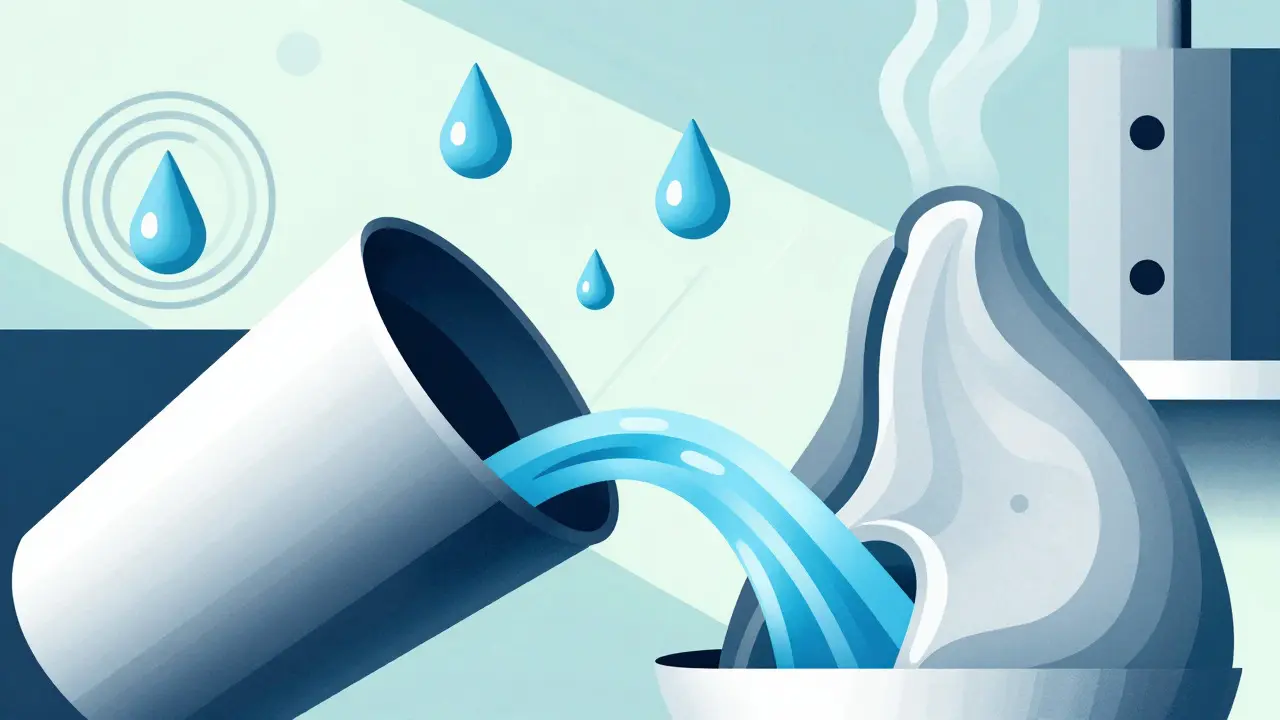
- Saline Nasal Irrigation: Using a neti pot or squeeze bottle with distilled or boiled water twice daily flushes out mucus and allergens. Studies show this technique significantly reduces symptom severity. Make sure to clean the device thoroughly to prevent mold growth.
- Hydration: Drinking 2 to 3 liters of fluids daily thins the mucus, making it easier to expel. Water, herbal teas, and clear broths work well.
- Humidification: Keeping indoor humidity between 40% and 60% prevents the nasal passages from drying out and cracking, which allows bacteria to enter.
- Pain Management: Over-the-counter analgesics like acetaminophen (650-1000mg every 6 hours) or ibuprofen (400-600mg every 6 hours) help manage facial pain and fever. Follow package instructions carefully.
- Nasal Corticosteroids: Sprays like fluticasone can reduce swelling in the nasal lining, improving airflow and drainage. These are safe for longer-term use compared to decongestant sprays.
Many patients find relief through consistent nasal irrigation alone. One patient shared their experience on WebMD, noting complete resolution of recurrent sinusitis after six months of daily saline rinses, avoiding seven potential courses of antibiotics.
When to See a Doctor: Red Flags
Most sinus issues resolve on their own. However, some symptoms indicate a more serious problem that requires immediate medical attention. Do not wait if you experience any of the following:
- Symptoms lasting more than 10 days without any improvement.
- A high fever above 102°F (38.9°C) lasting more than three days.
- Severe headache that does not respond to over-the-counter pain relievers.
- Vision changes, such as double vision or swelling around the eyes.
- Stiff neck or confusion, which could signal meningitis.
Dr. Lisa Liberatore, Chair of Otolaryngology at Lenox Hill Hospital, warns against relying on CT scans for routine diagnosis. Imaging often shows abnormalities in asymptomatic adults, leading to overdiagnosis. Reserve imaging for cases where complications are suspected or initial treatment fails.
New Developments in Diagnosis and Treatment
Medical science is moving toward more precise diagnostics. The FDA approved the first rapid point-of-care test for bacterial sinusitis, SinuTest™, in May 2023. This test detects common bacterial pathogens with high sensitivity and specificity, allowing doctors to prescribe antibiotics only when necessary.
Future treatments are also exploring microbiome-based therapies. Clinical trials are investigating nasal probiotics to restore healthy bacterial balance in the sinuses. Early results suggest a 42% reduction in recurrent episodes compared to placebo. Additionally, researchers are looking at genetic markers to predict who will respond to antibiotics, potentially cutting unnecessary prescriptions by half.
How long does viral sinusitis last?
Viral sinusitis typically lasts 7 to 10 days. Symptoms should gradually improve during this period. If you still feel sick after 10 days, it may have turned into a bacterial infection.
Do yellow mucus mean I need antibiotics?
Not necessarily. Yellow or green mucus can occur in both viral and bacterial infections due to immune cells fighting the invader. Duration and severity of symptoms are better indicators than color alone.
What is the best antibiotic for sinusitis?
Amoxicillin is generally the first-choice antibiotic for bacterial sinusitis. Amoxicillin-clavulanate is used if there is recent antibiotic use or high local resistance rates. Always follow your doctor's prescription.
Can I use tap water for my neti pot?
Never use plain tap water. It must be distilled, sterile, or previously boiled and cooled. Tap water can contain rare but dangerous organisms like amoebas that can cause severe brain infections.
When should I see an ENT specialist?
See an Ear, Nose, and Throat (ENT) specialist if you have frequent sinus infections (more than four a year), chronic symptoms lasting over 12 weeks, or if standard treatments fail to provide relief.