Sumatriptan: What It Is, How It Works, and What You Need to Know
When a migraine hits, time matters. Sumatriptan, a selective serotonin receptor agonist used to treat acute migraine attacks. Also known as a triptan, it works by narrowing blood vessels around the brain and blocking pain pathways—acting fast, usually within 30 minutes. Unlike painkillers that just mask symptoms, sumatriptan targets the root cause of migraine flare-ups. It’s not for everyday headaches. It’s for when the throbbing, nausea, and light sensitivity hit hard—and you need relief that actually works.
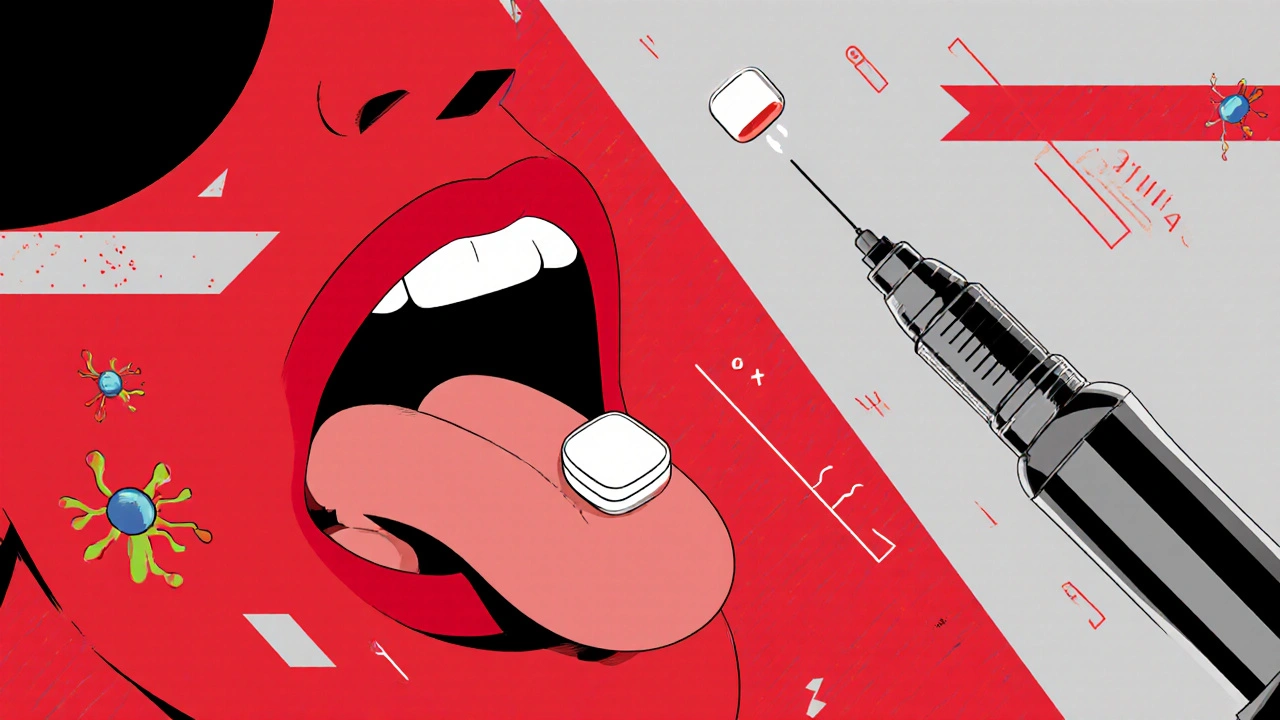
Sumatriptan doesn’t prevent migraines. It stops them in progress. That’s why it’s often paired with other strategies—like avoiding triggers (bright lights, skipped meals, stress) or using preventive meds if attacks happen more than twice a week. It comes in pills, nasal sprays, and injections. The injection? It’s the fastest option, often working in under 10 minutes. But not everyone wants a needle. For many, the pill or spray is enough. What’s key is taking it early, before the pain becomes unbearable. Waiting too long makes it less effective.
It’s not for everyone. If you have heart disease, uncontrolled high blood pressure, or a history of stroke, sumatriptan can be dangerous. It tightens blood vessels—and that’s fine for the brain, but risky for the heart. Always tell your doctor about any heart issues or if you’re on antidepressants like SSRIs or SNRIs. Combining those with sumatriptan can trigger serotonin syndrome, a rare but serious reaction. And no, you can’t take it daily. Overuse leads to rebound headaches, which makes things worse.
People often confuse sumatriptan with other migraine drugs. It’s not a muscle relaxant, not an anti-inflammatory, and not a sedative. It’s a targeted tool. Other triptans—like rizatriptan or eletriptan—work similarly but may last longer or cause fewer side effects. Some patients respond better to one than another. Trial and error under a doctor’s watch is normal.
You’ll also see it mentioned alongside treatments for cluster headaches. That’s because sumatriptan is one of the few drugs proven to help with those intense, short bursts of pain around the eye. It’s not a cure, but for many, it’s the only thing that brings relief during an attack.
What you won’t find in most guides? The real stories. The person who took it and felt better in 15 minutes. The one who got dizzy and couldn’t drive. The person who switched from pills to spray after vomiting. These aren’t side effects listed in a brochure—they’re lived experiences. The posts below pull from those real cases: how people use sumatriptan safely, what mistakes they made, how they tracked their attacks, and what worked when nothing else did.
Below, you’ll find practical advice on timing your dose, managing side effects like chest tightness or tingling, and how to know when it’s time to try something else. You’ll also see how it fits into broader migraine care—like avoiding drug interactions with common meds, understanding when to call a doctor, and what to do if you accidentally take too much. This isn’t theory. It’s what works—for real people, in real life.