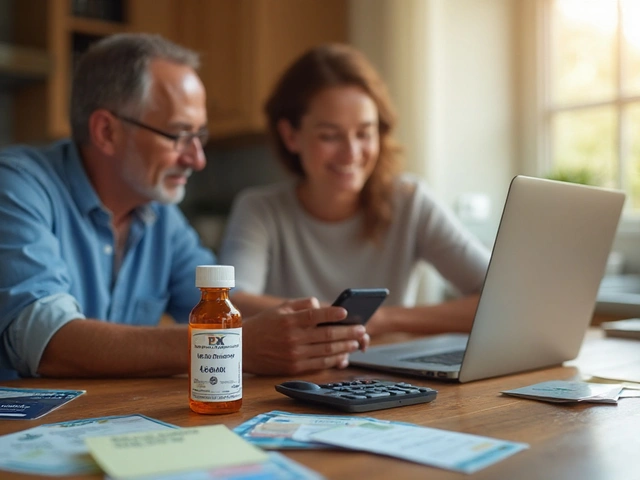
You find a bottle of painkillers in the back of your cabinet. The date on the label says it expired six months ago. You have a headache right now, and you don't want to drive to the pharmacy. Is it safe to pop one? Or will it make you sick?
This is a question almost everyone faces. We all hoard medicines. But the answer isn't a simple yes or no. It depends entirely on what kind of medicine it is, how long it has been expired, and where you stored it.
Generally speaking, most solid pills lose their strength over time rather than turning into poison. However, some specific drugs can become dangerous. Others, like life-saving emergency injections, might simply fail to work when you need them most. Here is exactly what you need to know about taking, replacing, and throwing away expired meds.
What Does an Expiration Date Actually Mean?
First, let's clear up a common myth. An expiration date is the final day a manufacturer guarantees the full potency, purity, and safety of a drug under specified storage conditions. It is not necessarily the day the drug turns toxic.
In 1979, the U.S. Food and Drug Administration (FDA) required all pharmaceutical companies to print these dates on labels. This was based on stability testing. Manufacturers test their drugs under heat, humidity, and light to see how long they stay effective. If a pill is guaranteed to work for two years, the label says so.
Once that date passes, the manufacturer is no longer legally responsible for the drug's performance. They stop guaranteeing it. This doesn't mean the drug instantly becomes harmful. It means you are flying blind regarding its strength.
Interestingly, military data tells a different story. The FDA's Shelf Life Extension Program (SLEP) tested stockpiled drugs for the armed forces. They found that 90% of 122 drug products remained stable and effective for at least 15 years past their expiration dates if stored properly. While this data is classified and not officially applied to civilian use, it suggests that many common pills are far more robust than we think.
When Expired Meds Are Dangerous: The Exceptions
While most pills just get weaker, some can actually become toxic or ineffective in ways that hurt you. You should never take these specific types of medication after they expire.
- Tetracycline Antibiotics: This is the big one. Old tetracycline breaks down into a compound called epianhydrotetracycline. This substance can cause Fanconi syndrome, a serious condition that damages your kidneys. There are documented cases of kidney failure linked to taking expired tetracycline. Throw these out immediately.
- Liquid Medications: Liquids degrade faster than solids. Once opened, liquid antibiotics or suspensions often lose potency within weeks. More importantly, they can grow bacteria. Using expired eye drops or ear drops carries a high risk of infection because preservatives break down.
- Insulin: Insulin is a protein, and proteins are fragile. After opening, insulin loses about 10% of its potency every month, even in the fridge. If you use expired insulin, you might not lower your blood sugar enough, leading to diabetic ketoacidosis, which is life-threatening.
- Nitroglycerin: Used for chest pain (angina), this drug degrades very quickly. It can lose 50% of its strength within three months of opening the bottle. If you have heart issues, relying on weak nitroglycerin during an attack could be fatal.
The Risk of "Weak" Medicine
For most other drugs-like ibuprofen, acetaminophen, or allergy pills-the main risk is that they stop working well. This sounds minor, but it can be tricky.
Imagine you have a bacterial infection and you take an expired antibiotic. The drug might kill half the bacteria but leave the strongest ones alive. These survivors can multiply and develop resistance. Now you have a superbug that is harder to treat. The Centers for Disease Control and Prevention (CDC) warn that sub-potent antibiotics contribute to antimicrobial resistance.
Also, consider pain relief. If you take an expired painkiller for a severe injury, it might only dull the pain slightly. You might think you are fine when you actually need stronger treatment. This delay can worsen an underlying condition.
Emergency Situations: Better Than Nothing?
Here is where things get nuanced. What if you are having a severe allergic reaction and your EpiPen is expired?
Medical experts agree: Use it.
An expired epinephrine auto-injector may have lost 20-30% of its potency, but it is still better than nothing. In a life-or-death situation like anaphylaxis, asthma attacks, or chest pain, taking an expired critical medication is safer than waiting for help that might not arrive in time. Just remember to call emergency services immediately after using it.
However, do not rely on this as a habit. Replace emergency medications as soon as they expire. Do not keep a stash of expired EpiPens "just in case."
How Storage Changes Everything
The place where you keep your medicine matters just as much as the date. Heat and moisture are the enemies of chemical stability.
| Storage Location | Risk Level | Why It Matters |
|---|---|---|
| Bathroom Cabinet | High | Humidity from showers causes tablets to crumble and liquids to degrade 40% faster. |
| Kitchen Counter | Medium | Temperature fluctuations from cooking and sunlight exposure accelerate breakdown. |
| Cool, Dry Drawer | Low | Ideal environment. Keeps temperature below 77°F (25°C) and away from moisture. |
| Car Glove Box | Critical | Temperatures can exceed 140°F (60°C) in summer, destroying most drugs instantly. |
If you store your meds in a bathroom cabinet, they degrade much faster than those in a bedroom drawer. A study by the FDA noted that humidity fluctuations in bathrooms speed up molecular breakdown. If your pills look discolored, smell strange, or have changed texture, throw them away regardless of the date.
How to Dispose of Expired Medications Safely
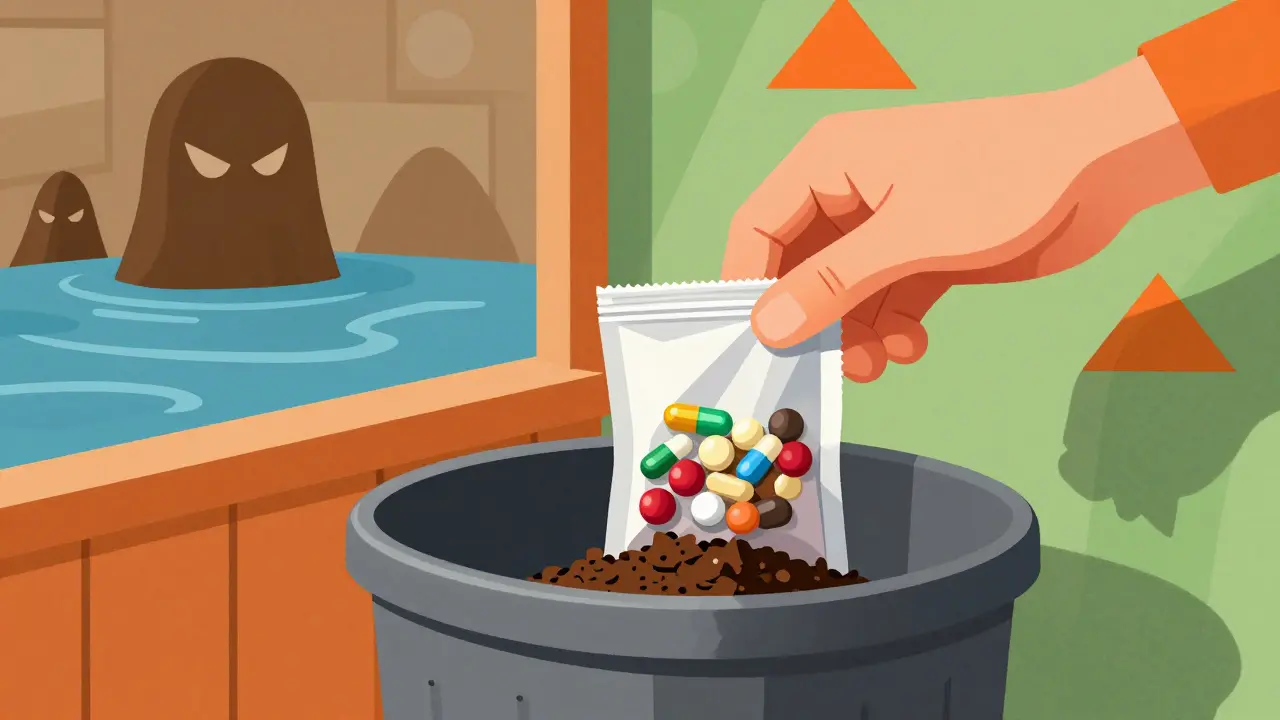
Once you decide to replace your meds, do not just flush them down the toilet. Flushing introduces pharmaceutical chemicals into the water supply, harming aquatic life and potentially contaminating drinking water. Only 15 specific high-risk drugs (like fentanyl patches or oxycodone) should be flushed, according to the FDA Flush List.
Instead, follow these steps for home disposal:
- Mix it up: Take the pills out of their bottles. Mix them with an unappealing substance like used coffee grounds, cat litter, or dirt. This makes them less likely to be eaten by children, pets, or scavengers.
- Seal it: Place the mixture in a sealed plastic bag or container.
- Trash it: Throw the sealed bag in your household trash.
- Protect privacy: Scratch out any personal information on the empty prescription bottles before recycling or trashing them.
If possible, look for a drug take-back program. Many pharmacies and police stations host collection bins. These are the safest options because the drugs are incinerated professionally. Check local health department websites for nearby drop-off points.
Quick Checklist: To Keep or Toss?
Still unsure? Use this quick guide to decide what stays in your cabinet and what goes in the bin.
- Keep (Short Term): Solid oral medications (ibuprofen, aspirin, antihistamines) expired by less than a year, stored in a cool dry place. Acceptable for minor ailments.
- Toss Immediately: Any liquid medication, eye drops, insulin, nitroglycerin, or tetracycline antibiotics.
- Toss Immediately: Any medication that looks, smells, or feels different than when you bought it.
- Replace Soon: Emergency meds (EpiPens, inhalers). Even if they might work in a pinch, buy new ones today.
Checking your medicine cabinet once a quarter is a good habit. Set a reminder on your phone. It takes ten minutes and ensures you always have effective treatments on hand when you need them.
Can I take expired antibiotics?
No, you should not. Expired antibiotics may have reduced potency, which can lead to incomplete treatment of infections. This increases the risk of the bacteria developing resistance, making future infections harder to cure. Additionally, some antibiotics like tetracycline can become toxic over time.
Is it safe to flush expired medicine?
Generally, no. Flushing medications contaminates water supplies. Only flush drugs specifically listed on the FDA Flush List, such as fentanyl patches or oxycodone, due to the high risk of accidental overdose if disposed of in the trash. For most other drugs, mix them with coffee grounds and throw them in the trash.
Do vitamins expire?
Yes, vitamins expire, but they usually just lose potency rather than becoming harmful. Taking an expired vitamin supplement likely won't hurt you, but it may not provide the nutritional benefits you expect. Store them in a cool, dark place to extend their life.
What happens if I take an expired painkiller?
For most solid painkillers like ibuprofen or acetaminophen, taking them shortly after expiration is generally safe but may be less effective. They might not relieve your pain as well as fresh pills. However, avoid taking them if they show signs of degradation like discoloration or unusual odors.
Where can I find drug take-back locations?
You can find authorized drug take-back locations through the DEA's National Take Back Initiative website or by contacting local pharmacies and law enforcement agencies. Many communities have permanent collection kiosks at police stations or pharmacies.


It is imperative to note that the FDA's Shelf Life Extension Program data, while intriguing, should not be extrapolated to civilian use without caution. The storage conditions for military stockpiles are strictly controlled, unlike typical household environments where humidity and temperature fluctuations can significantly accelerate degradation. Therefore, relying on expired medications outside of immediate life-threatening emergencies is not advisable from a pharmacological standpoint.
July 5Isis Fleming