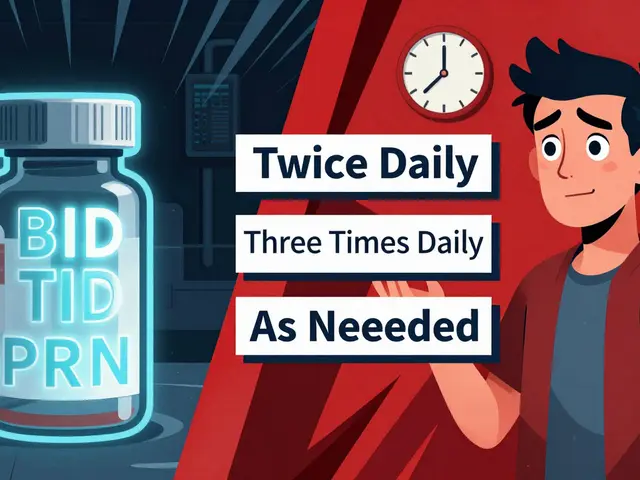
Imagine your loved one is juggling twelve different pills a day. Blood pressure meds in the morning, insulin with lunch, statins at night, and supplements scattered across the kitchen counter. It sounds chaotic, doesn't it? For millions of families, this isn't just a hypothetical nightmare-it’s daily reality. This is where home health services step in to bridge the gap between hospital discharge and independent living.
You might think managing medications is simple enough on your own, but the data tells a different story. According to MedPro's 2022 risk reduction analysis, medication errors account for roughly 30% of all adverse events in home healthcare settings. That means nearly one in three safety incidents happens because a pill was missed, doubled, or taken incorrectly. Professional medication management isn't just a luxury; it is a critical safety net that prevents complications and keeps seniors out of the emergency room.
Understanding What Home Health Services Actually Do
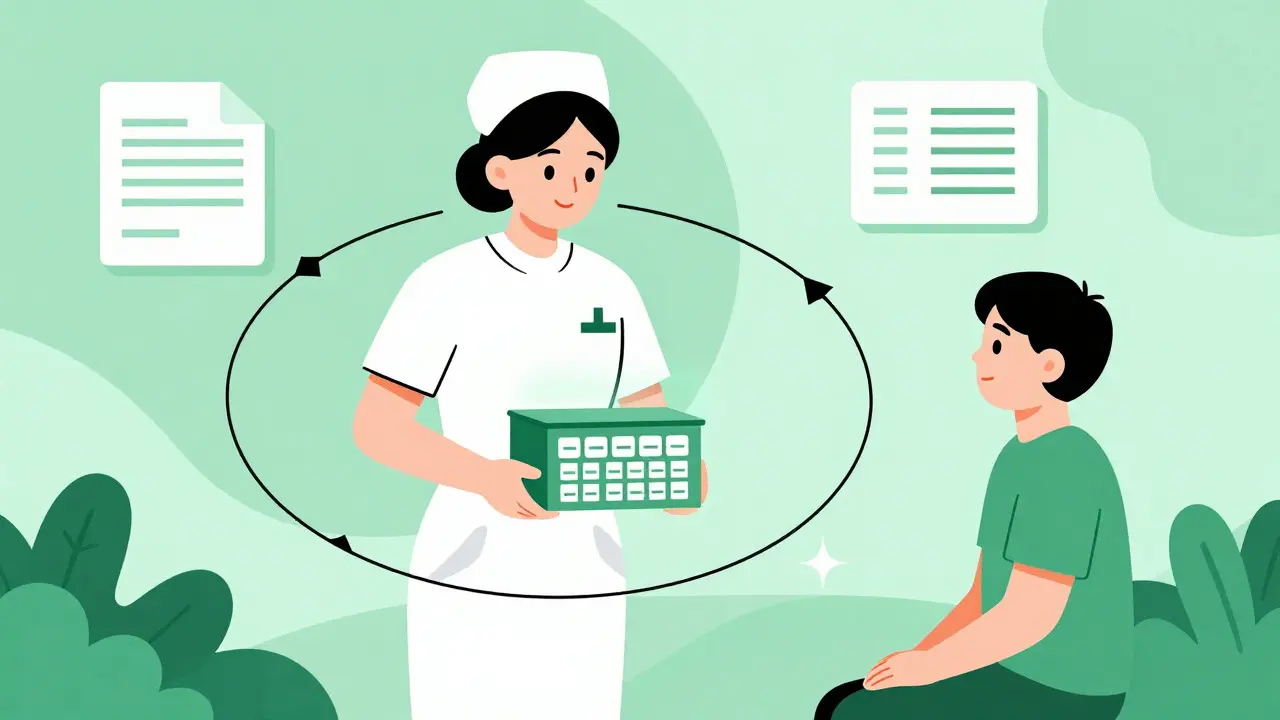
When people hear "home health," they often picture a nurse coming over to change bandages. While that is part of it, medication management is a structured system designed to ensure patients safely administer prescribed medications within residential environments by organizing prescriptions, tracking dosages, and scheduling intake. The goal is adherence and safety.
CritiCare Plus (2023) defines the core purpose clearly: improving patient health outcomes by preventing complications from improper use. But what does this look like in practice? It involves more than just handing someone a pill bottle. It requires maintaining an updated master list of every medication, including brand names, generic equivalents, dosages, schedules, prescribing doctors, and known side effects. This list must be shared with every specialist involved in the patient's care to avoid dangerous drug interactions.
Think of it as having a project manager for your health. Instead of you trying to remember if Dad took his blood thinner before his cardiologist appointment, the home health team ensures the records are accurate, current, and accessible to everyone who needs them.
Who Qualifies for These Services?
This is where things get tricky, especially if you are navigating the UK NHS system or US Medicare/Medicaid structures. Eligibility varies significantly depending on your location and insurance status.
In the United States, Medicare Part A typically covers intermittent skilled nursing visits for medication management. However, there is a catch: these visits are usually short-term and tied to a specific recovery plan, such as post-surgery rehabilitation. If your loved one needs daily assistance forever, Medicare might leave gaps in coverage. Private home care agencies, like Clarest, charge between $20 and $40 per hour for these services (2023 pricing), which can add up quickly.
If you are in the UK, the landscape is different. Local authorities assess eligibility based on need rather than strict medical criteria alone. You may qualify for non-medical support with medication reminders through social care budgets, while clinical administration might require private paid care unless covered under specific NHS continuing healthcare plans. Always check with your local council or GP surgery first to understand what free support is available before paying out of pocket.
The Core Components of Effective Management
Not all home health services are created equal. When evaluating a provider, look for these specific components that drive success:
- Comprehensive Medication Lists: As emphasized by CritiCare Plus, this document is the bible of care. It must include everything from prescription drugs to over-the-counter supplements. Why? Because supplements can interact with prescriptions just as dangerously as other drugs.
- Organizational Tools: The Caregiver Action Network (2023) documented that pill organizers reduce medication errors by up to 45% in home settings. Providers like Phoenix Home Care use systems like WellPack, which sorts individual daily doses into pouches. This eliminates the guesswork of "Did I take the red pill or the blue one?"
- Digital Integration: Modern services increasingly use smartphone apps with alarms and reminders. CritiCare Plus found these tools improve adherence rates by 35%. Some even feature biometric verification to confirm the right person took the right dose.
These aren't just nice-to-haves. They are the mechanisms that turn a chaotic regimen into a manageable routine.
Comparing Options: Professional vs. Self-Management
| Feature | Professional Home Health | Self/Family Management |
|---|---|---|
| Error Reduction | Reduces adverse events by 60% | Higher risk, especially with polypharmacy |
| Cost Structure | $20-$40/hr (Private) or Covered (Medicare/NHS) | Free, but high hidden costs (ER visits) |
| Expertise Level | Licensed nurses/pharmacists review for interactions | Relies on caregiver knowledge/memory |
| Documentation | Strict CMS/NHS compliance, 24-hour updates | Often inconsistent or missing |
| Best For | Post-hospitalization, complex regimens (8+ meds) | Simple regimens (1-3 meds), stable conditions |
As the table shows, professional help shines when complexity increases. MedPro’s 2022 assessment highlights that professional management reduces adverse drug events by 60% compared to self-management, particularly for patients taking five or more medications-a condition known as polypharmacy. If your loved one is on eight or more pills, the margin for error shrinks dramatically.
Step-by-Step: How to Implement the Service
Getting started doesn't have to be overwhelming. Follow this practical roadmap to set up effective medication management:
- Conduct a Full Audit: Gather every single bottle, box, and supplement container. Write down the name, dosage, frequency, and prescribing doctor. Include any vitamins or herbal remedies. This is your baseline.
- Choose the Right Provider: Look for agencies certified by relevant bodies (like CQC in the UK or state health departments in the US). Ask specifically about their medication reconciliation protocols. Do they cross-check for duplicates? Do they verify insurance coverage?
- Set Up Organizational Systems: Request a pill organizer or blister pack service. Phoenix Home Care’s standardized process includes reviewing all prescriptions for duplicates and verifying coverage before dispensing. Ensure the packaging is clear, labeled in large text, and easy to open.
- Establish Communication Channels: Create a shared digital folder or physical binder where all providers can see the latest medication list. Dr. Michael Chen, a home healthcare specialist, emphasizes that emergency plans must include this list and contact info for all prescribers.
- Train and Teach-Back: Don't assume understanding. Use the "teach-back" method where the patient or family member explains back how and when to take each med. This confirms comprehension and catches misunderstandings early.
The learning curve varies. Managing 1-3 medications might take 2-3 training sessions, while complex regimens of 8+ medications could require 6-8 sessions to fully stabilize. Be patient during this phase.
Real-World Challenges and Solutions
Even with professional help, hiccups happen. Understanding common pitfalls helps you navigate them smoothly.
Communication Breakdowns: One of the biggest risks is poor coordination between specialists. John T., a caregiver on Reddit, shared a scary story where inconsistent communication led to a dangerous interaction between blood thinners, requiring ER treatment. To prevent this, insist that your home health agency acts as the central hub. They should call cardiologists, neurologists, and GPs to confirm changes.
Scheduling Conflicts: MedlinePlus notes that 31% of caregivers struggle with meds that conflict with daily routines, like sleep aids interfering with nighttime bathroom trips. Work with your provider to adjust timing where medically safe. Taking a pill with breakfast instead of dinner might seem small, but it can drastically improve quality of life.
Language Barriers: If English isn't the primary language, ensure instructions are translated. Phoenix Home Care recently expanded their service to include QR codes linking to instructional videos in 17 languages. Visual aids with large text in the patient's preferred language significantly improved understanding for 67% of surveyed caregivers (Clarest, 2023).
Future Trends: Technology and AI
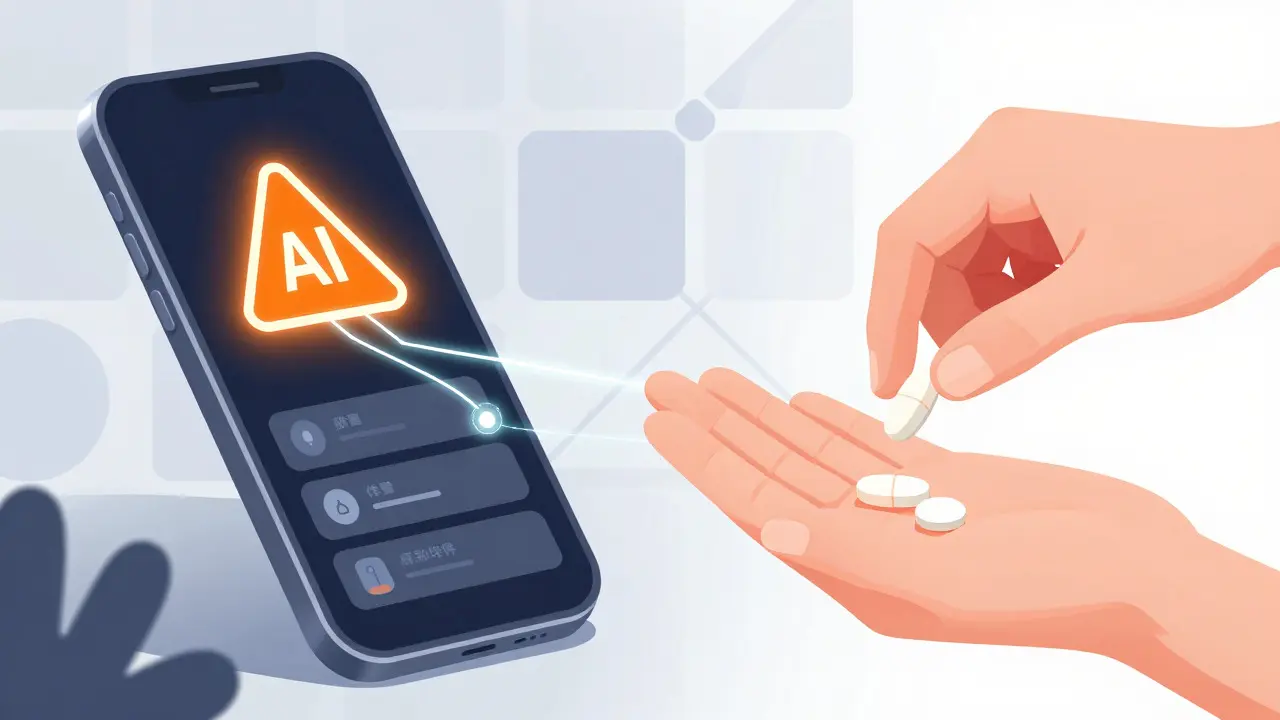
The field is evolving fast. By 2025, the Home Care Association of America predicts that 65% of agencies will adopt AI-powered medication interaction screening. Imagine an app that scans a new prescription and instantly warns, "This interacts with the beta-blocker taken at 8 AM." This technology is already reducing administration errors by 40% in pilot programs.
However, technology isn't a silver bullet. The National Association for Home Care & Hospice reports a 28% vacancy rate for home health nurses in 2023. Human oversight remains irreplaceable for assessing subtle changes in a patient's condition that algorithms might miss. The best approach combines tech efficiency with human empathy.
Frequently Asked Questions
Does Medicare cover daily medication management?
Typically, no. Medicare Part A covers intermittent skilled nursing visits, often tied to post-hospital recovery. Daily, long-term medication assistance usually requires private pay or supplemental insurance. Check with your specific Medicare Advantage plan, as some offer additional benefits.
How much do home health medication services cost?
Private agencies generally charge between $20 and $40 per hour. Costs vary by region and complexity of care. In the UK, costs depend on whether you qualify for local authority funding or need to pay privately. Always ask for a detailed fee schedule upfront.
What is medication reconciliation?
It is the process of creating the most accurate list possible of all medications a patient is taking and comparing it against the physician's orders. This happens during transitions of care, like moving from hospital to home, to prevent errors, duplications, or omissions.
Can family members still manage meds with home health support?
Yes. Home health services often work alongside family caregivers. They provide training, oversight, and backup. Many families find that having a professional verify doses once a week gives them peace of mind without removing their role entirely.
How do I know if my loved one needs professional help?
Signs include missed doses, confusion about instructions, frequent hospital visits for medication issues, or taking more than five medications daily (polypharmacy). If you feel overwhelmed or anxious about managing their meds, it’s time to seek professional support.