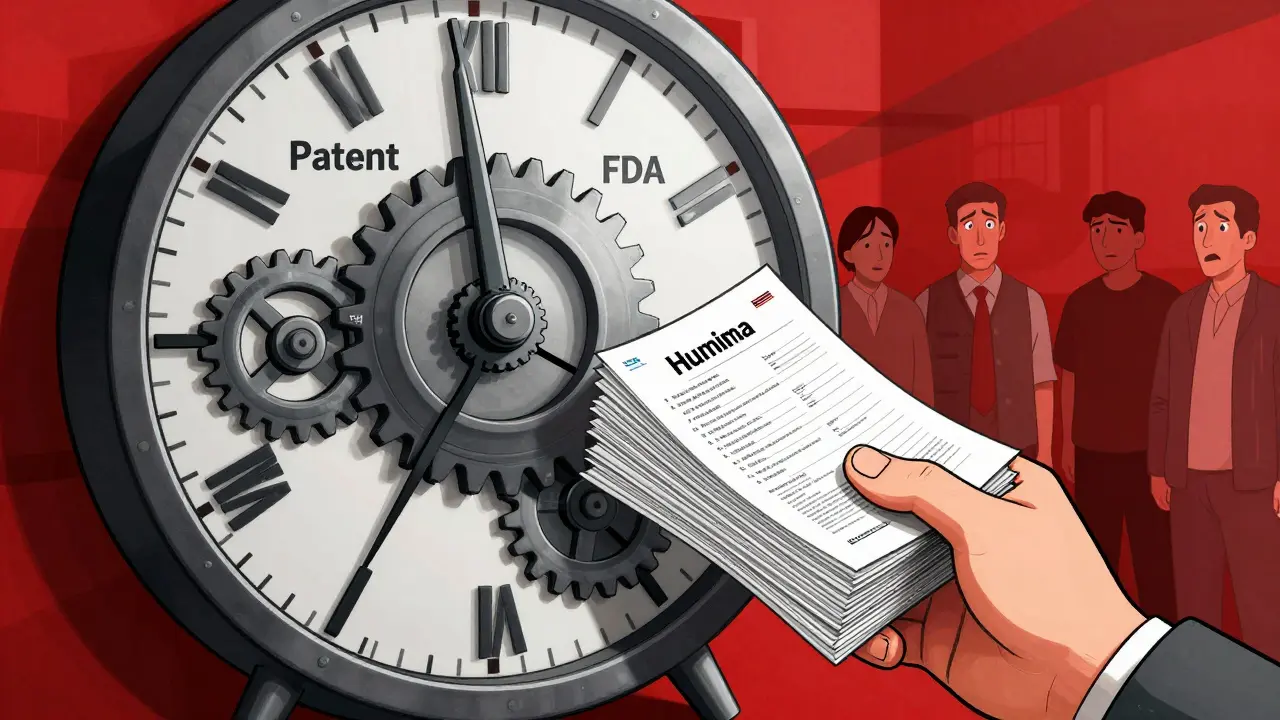
When a blockbuster drug hits the market, its patent typically lasts 20 years. But in reality, many drugs stay protected for decades longer-not because they’re revolutionary, but because companies use clever, legal tricks to keep generics off the shelf. This is called evergreening.
It’s not science fiction. It’s business. And it’s costing patients billions every year.
Take Humira, the autoimmune drug made by AbbVie. By the time its original patent neared expiration, the company had filed 247 separate patents covering everything from dosing schedules to manufacturing methods. None of them created a better drug. They just delayed the day when cheaper versions could enter the market. By 2023, Humira was still generating over $40 million in daily revenue-because no generic could legally sell it.
How Evergreening Works
Evergreening isn’t about inventing new medicines. It’s about making tiny changes to old ones and then patenting those changes. The goal? Extend monopoly pricing as long as humanly possible.
Here’s how it plays out:
- A drug gets approved. The original patent clocks in at 20 years.
- Five years before it expires, the company files for a new patent on a slightly different version: maybe a new pill coating, a different dosage form, or a combination with another drug.
- The FDA grants an extra 3 to 5 years of exclusivity-sometimes more-because the company claims the change is “new.”
- Repeat this 5, 10, even 15 times. Each time, the clock resets. The drug stays off-limits to generics.
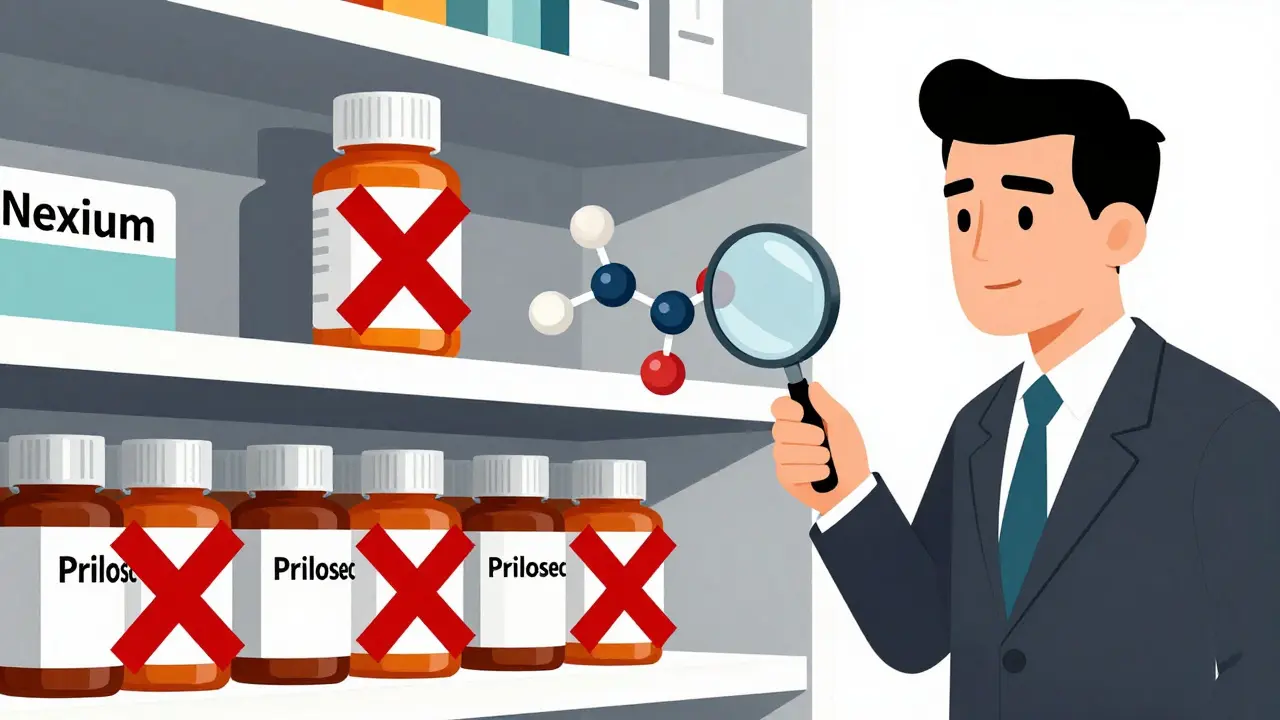
This isn’t theoretical. AstraZeneca used this exact playbook with Prilosec, a heartburn drug. When the original patent was about to expire, they launched Nexium-a drug that was chemically almost identical. The only difference? A slightly altered molecule that let them patent it again. Nexium didn’t work better. But it cost 10 times more. And for over a decade, no generic could touch it.
The Five Main Tactics Used
Pharmaceutical companies don’t rely on one trick. They stack them. Here are the most common evergreening strategies:
- New Formulations - Switching from a pill to a liquid, or from immediate-release to extended-release. Even if the active ingredient is unchanged, the new delivery system gets a fresh patent.
- Combination Drugs - Adding an old, off-patent drug to the original one. Suddenly, it’s a “new” product. This tactic was used heavily with diabetes and hypertension drugs.
- Pediatric Extensions - If a company runs new clinical trials on children, they get an automatic 6-month patent extension. Many of these trials have little clinical value but still count.
- Orphan Drug Designation - If a drug is repurposed for a rare disease (even if it’s widely used for common conditions), it gets 7 years of exclusivity. This loophole lets companies re-patent drugs that were already on the market for years.
- Product Hopping - This is the most aggressive tactic. A company abruptly stops selling the original drug and pushes patients to the new version. If the old version disappears, generics can’t easily copy it-even if they’re chemically identical.
These aren’t just tricks. They’re systematic. Companies hire teams of patent lawyers and chemists whose only job is to find ways to tweak existing drugs before patents expire. Their success? A 2020 study found that 78% of all new patents for prescription drugs were on existing medications-not new ones.
Why This Hurts Patients
When a drug goes generic, prices drop-fast. Usually by 80% to 85% in the first year. That’s the whole point of the patent system: give companies a short monopoly to recoup R&D, then let competition drive prices down.
Evergreening breaks that deal.
Take insulin. One of the most essential drugs for millions of Americans. A vial of Humalog, made by Eli Lilly, cost $275 in 2018. When generics finally arrived, they sold for under $25. But that didn’t happen until 2023-because Lilly had layered on multiple patents, including one for a new delivery pen. Patients waited five extra years. Many skipped doses. Some died.
And it’s not just insulin. Drugs for diabetes, depression, arthritis, and high cholesterol-all have been caught in this web. The average patient pays 3 to 5 times more than they should because the original patent was stretched into a 30-year monopoly.
Who Benefits? Who Loses?
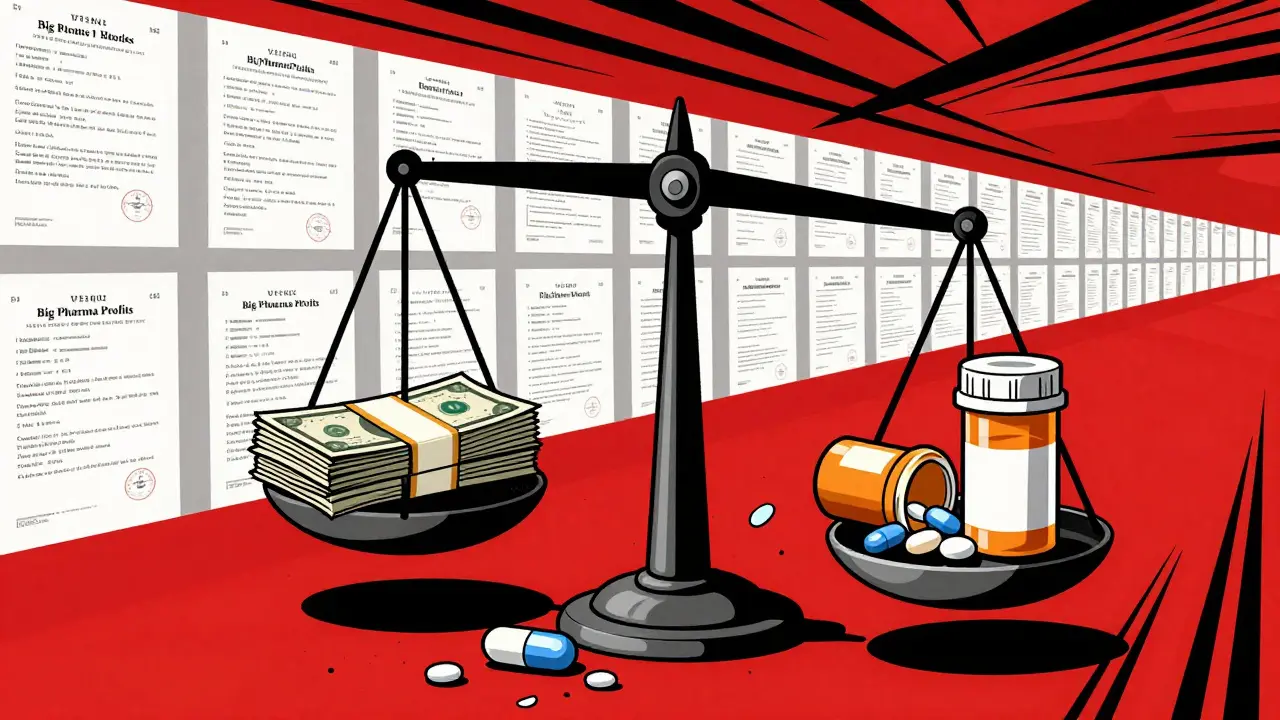
The winners are clear: big pharma. In 2022, the top 10 drug companies made over $500 billion in revenue. A huge chunk of that came from drugs still under patent, even though their original exclusivity had long expired.
The losers? Patients. Insurance companies. Medicare. Medicaid. Taxpayers.
According to Harvard researchers, evergreening extends total drug exclusivity by over 90 years across just six major drugs. That’s not innovation. That’s rent-seeking.
And the cost isn’t just financial. A 2023 study by Strathmore University found that in low-income communities, patients with autoimmune diseases were three times more likely to skip doses or stop treatment entirely when branded drugs were still under patent protection.
Regulators Are Starting to Push Back
The system was meant to balance innovation with access. But for years, regulators looked the other way.
That’s changing.
In 2022, the Federal Trade Commission sued AbbVie over Humira’s 247 patents, calling them a “patent thicket” designed to block competition. The case is still ongoing, but it’s the first major federal challenge to evergreening.
Meanwhile, the Inflation Reduction Act of 2022 gave Medicare the power to negotiate prices for 10 high-cost drugs. The first batch? Insulin, Humira, and several other drugs caught in evergreening loops.
The European Union has gone even further. The European Medicines Agency now requires companies to prove a new formulation delivers “significant clinical benefit”-not just a different pill shape.
Even the U.S. Patent Office is tightening rules. In 2023, it rejected over 40% of patent applications for minor drug modifications, citing “lack of inventive step.”
What’s Next?
Big pharma isn’t giving up. They’re just getting smarter.
New tactics are emerging:
- Supragenerics - Companies create their own generic versions under a different brand name, then charge premium prices.
- Pharmacogenomics - Patenting genetic tests that claim to predict who responds best to a drug. If you need the test to use the drug, you can’t switch to a generic.
- Biologic Switching - Replacing chemical drugs with complex biologics (like antibodies) that are nearly impossible to copy, even after patents expire.
These aren’t breakthroughs. They’re workarounds. And they’re designed to keep prices high.
But public pressure is growing. Patient advocacy groups are now tracking evergreening tactics in real time. Lawmakers are drafting bills to limit patent extensions. And courts are starting to see these strategies for what they are: not innovation, but obstruction.
What You Can Do
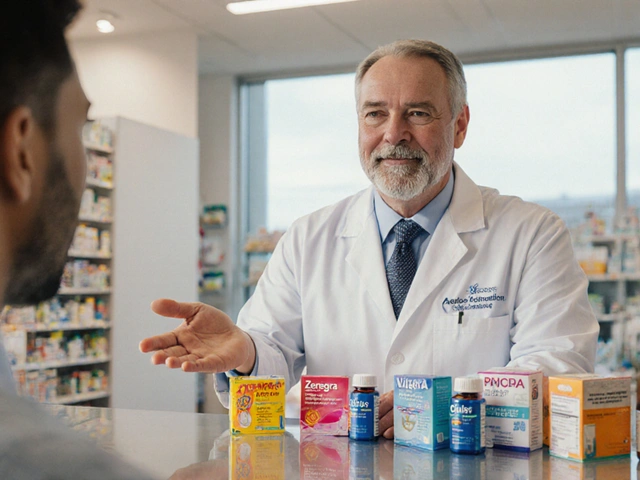
If you’re taking a brand-name drug that’s been on the market for more than 10 years, ask your pharmacist: “Is there a generic available?”
If the answer is no, ask why. Was there a patent extension? A formulation change? A product hop?
Most people don’t know these tactics exist. But once you understand them, you can make smarter choices. You can ask your doctor to consider alternatives. You can support policy changes. You can pressure insurers to cover generics.
Because no one should have to choose between their health and their rent.
Is evergreening illegal?
No, evergreening isn’t illegal. It’s a legal strategy that exploits loopholes in patent law. The Hatch-Waxman Act of 1984 allowed drug companies to file new patents for minor changes, and regulators have largely allowed it to continue. But courts and agencies are now challenging it as anti-competitive. In 2022, the FTC sued AbbVie over Humira’s patent strategy, calling it an abuse of the system.
How long can a drug stay under patent through evergreening?
A drug’s original patent lasts 20 years from filing. But with evergreening, companies can extend protection for decades. For example, AstraZeneca’s Prilosec and Nexium combination extended market exclusivity by over 90 years across six drugs. Humira’s 247 patents pushed its exclusivity past 2034-nearly 40 years after its initial approval.
Do evergreened drugs work better than generics?
Almost never. Studies consistently show that drugs modified through evergreening-like switching from a pill to a capsule or changing the release timing-deliver no meaningful clinical benefit. The active ingredient is the same. The difference is price. Patients pay more for the same medicine.
What’s the difference between evergreening and real innovation?
Real innovation creates a new drug with a new molecular structure-something that treats a disease in a novel way. That takes 10-15 years and costs over $2 billion. Evergreening takes months and costs a fraction of that. It doesn’t cure more patients. It just keeps the same drug off the market longer so the company can keep charging premium prices.
Can I avoid paying higher prices because of evergreening?
Yes. Ask your doctor if a generic version exists-even if it’s not listed as available. Sometimes, pharmacies can source it from overseas suppliers. Use price comparison tools like GoodRx. And if your insurer denies coverage, file an appeal. Many patients have successfully challenged denials based on evergreening tactics. Knowledge is your best defense.




Man, I just found out my insulin cost $300 because they switched the pen design. No one told me. I thought I was getting a better product. Turns out it’s the same damn liquid in a fancier wrapper. I’m mad.
February 14Mike Hammer