Missing a dose of medication is more common than you might think. In fact, studies show that between 30% and 50% of people with chronic conditions don't take their medicine as prescribed. This isn't always because people don't care about their health; often, it's just life getting in the way. You forget, you get busy, or you simply lose track. The good news? text message reminders can help bridge this gap.
These aren't just annoying spam texts. When set up correctly, automated SMS alerts act as a gentle nudge to keep you on track with your treatment plan. But not all reminder systems are created equal. Some work wonders, while others fade into the background noise after a few weeks. Here is how to make them work for you.
Why Simple Texts Work Better Than Fancy Apps
You might wonder why we still talk about old-school text messages when everyone has smartphones with advanced apps. The answer lies in simplicity and accessibility. According to research published in JMIR mHealth, simple text reminders improved self-reported medication adherence by over 14 percentage points compared to usual care. That’s a significant jump.
The beauty of SMS is its low barrier to entry. You don’t need to download an app, create a new password, or worry about battery drain from a complex program. A study in the Journal of Medical Internet Research found that daily text messages doubled the odds of full adherence for patients with chronic diseases like heart disease and epilepsy. It works because it meets you where you already are-in your pocket, on your phone, without extra friction.
However, effectiveness varies by condition. For infectious diseases like HIV or tuberculosis, where timing is critical, text reminders have shown strong results. For chronic cardiovascular conditions, the evidence is mixed. A large 2023 study in JAMA involving nearly 10,000 patients found that generic reminders didn't significantly improve long-term refill rates. This tells us one important thing: the content and personalization of the message matter just as much as the delivery method.
Setting Up Your Reminder System Correctly
If you want text reminders to actually help you stick to your schedule, you need to set them up strategically. Just adding a recurring alarm isn't enough. Here is a step-by-step approach based on best practices from clinical trials:
- Choose the Right Timing: Studies show that reminders delivered within two hours of your scheduled medication time are most effective. If you take pills at 8 AM, a text at 7:45 AM gives you a buffer. A text at 6 AM might be ignored, and one at 10 AM is too late.
- Personalize the Content: Generic messages like "Take your meds" lose impact quickly. Personalized messages that include your name or specific medication details produce significantly greater effects. Try to use services that allow custom fields or integrate with your pharmacy records.
- Start Daily, Then Adjust: For acute conditions or when starting a new medication, daily reminders are crucial. Once you build a habit, you might switch to weekly check-ins to avoid "message fatigue." Research indicates that around 23% of users stop using reminder services after six months because they feel the messages are too frequent or irrelevant.
- Integrate with Your Routine: Link the reminder to an existing habit. If you take your blood pressure pill with breakfast, ensure the text arrives before you sit down to eat. Context triggers memory better than isolated alerts.
Many modern systems now integrate with electronic health records (EHR) to identify refill gaps automatically. If your healthcare provider offers this, opt-in. It removes the burden of manual setup and ensures the reminders align with your actual prescription status.
Common Pitfalls and How to Avoid Them
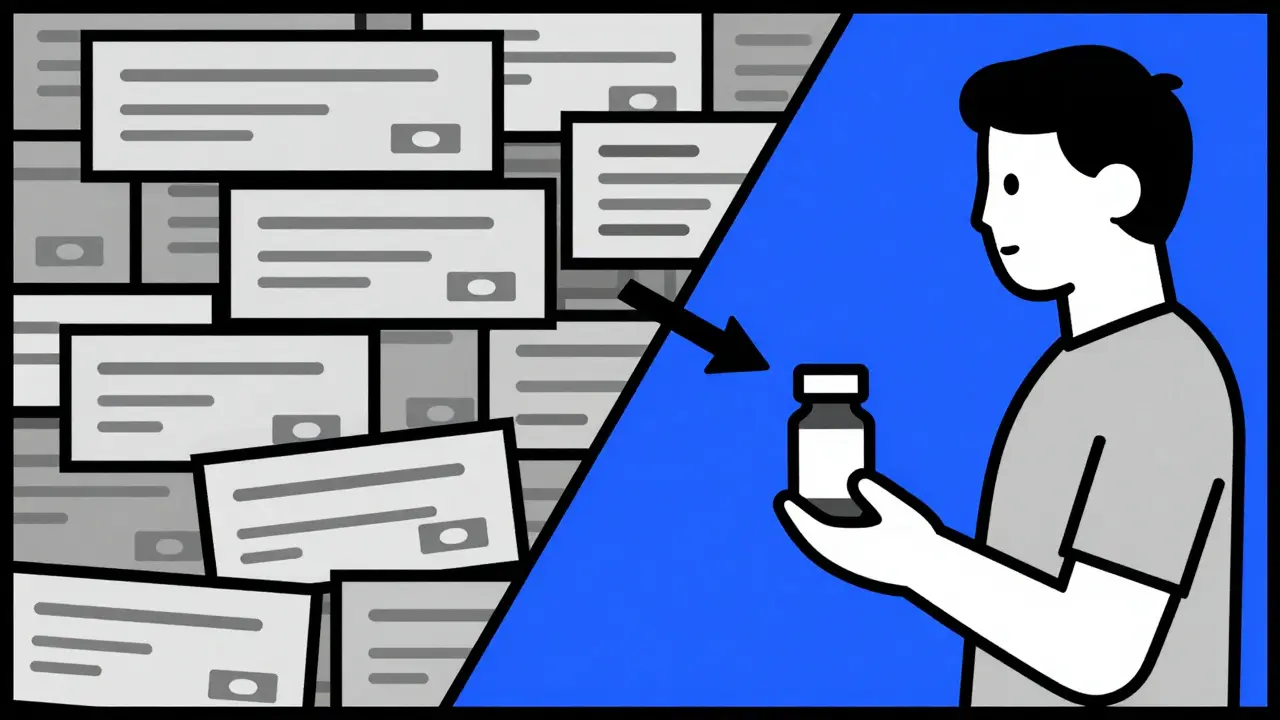
Even with the best intentions, text reminder programs can fail if certain pitfalls aren't addressed. Understanding these early can save you from frustration later.
| Issue | Why It Happens | Solution |
|---|---|---|
| Message Fatigue | Receiving too many identical messages over time leads to desensitization. | Vary the message tone, reduce frequency once habits form, or pause during vacations. |
| Poor Timing | Reminders arrive too early or too late relative to the actual dose. | Adjust settings to deliver alerts 15-30 minutes before the scheduled time. |
| Lack of Personalization | Generic blasts feel impersonal and less urgent. | Use platforms that allow custom names, medication titles, or motivational phrases. |
| Opt-Out Rates | Users unsubscribe due to inconvenience or privacy concerns. | Ensure clear opt-in consent and easy management options to maintain trust. |
One major limitation to remember is that a text message only confirms that you received the reminder, not that you took the pill. It doesn't verify ingestion. This is why combining SMS with other strategies-like pill organizers or pharmacist check-ins-can be more powerful. Also, be aware of technical constraints. Standard SMS has a 160-character limit, which means concise, clear language is essential. Long, rambling texts get cut off or ignored.
Choosing Between Apps and SMS Services
You have two main paths: dedicated medication apps or standalone SMS services. Both have pros and cons.
Dedicated apps like Medisafe or MyTherapy offer rich features: inventory tracking, interaction checks, and family sharing. Users report cutting missed doses from 30% to under 5%. However, they require smartphone ownership, regular updates, and active engagement. If you're tech-savvy and want comprehensive data, an app is likely your best bet.
Standalone SMS services, often provided by pharmacies or health systems, are lighter. They don't require installation and work on any mobile phone, including basic feature phones. This inclusivity is vital, especially for older adults or those in regions with limited smartphone penetration. With global mobile coverage near 98%, SMS reaches almost everyone. But, as noted earlier, their effectiveness depends heavily on personalization. If your system sends robotic, one-size-fits-all texts, you'll see diminishing returns after a few months.
For most people, a hybrid approach works well. Use an app for complex regimens with multiple drugs and interactions, but rely on simple SMS for single-dose maintenance medications where ease of use is paramount.
The Future of Digital Adherence Support
The landscape of medication reminders is evolving. We're moving beyond simple "take your pill" texts toward intelligent, adaptive systems. New trials are testing algorithms that learn from your behavior. If you consistently miss your evening dose, the system might adjust the timing or send a follow-up question to understand why.
Artificial intelligence is also being integrated to predict non-adherence risk based on refill patterns. By 2027, industry analysts predict that two-thirds of health systems will use predictive tools to intervene before a patient misses a dose entirely. This shift from reactive reminders to proactive support represents a significant leap forward.
Regulatory frameworks are adapting too. In the US, the FDA generally exempts simple reminder tools from strict regulation, viewing them as low-risk. However, more interactive systems that provide medical advice or diagnose issues may face stricter scrutiny. Always choose reputable providers who comply with healthcare regulations like HIPAA to protect your personal data.
Ultimately, text message reminders are a tool, not a cure-all. They work best when combined with education, supportive relationships with healthcare providers, and realistic expectations. Start small, personalize your experience, and don't hesitate to adjust or abandon a system that isn't helping. Your health journey is unique, and your reminder strategy should reflect that.
Do text message reminders really improve medication adherence?
Yes, but with caveats. Studies show an average improvement of 14-15 percentage points in adherence rates. However, effectiveness depends on personalization, timing, and the specific medical condition. For chronic diseases like HIV or asthma, results are stronger than for some cardiovascular conditions where long-term benefits may plateau.
How often should I receive medication reminder texts?
Daily reminders are most effective initially, especially for new prescriptions or complex schedules. However, to avoid message fatigue, consider reducing frequency to weekly check-ins once a habit is established. The key is delivering the alert within two hours of the scheduled dose time.
Are medication reminder apps better than SMS?
Apps offer more features like drug interaction checks and inventory tracking, making them ideal for complex regimens. SMS is simpler, requires no installation, and works on any phone, making it more accessible. Choose based on your tech comfort level and medication complexity.
Is my data safe with text message medication reminders?
Safety depends on the provider. Reputable services comply with healthcare regulations like HIPAA in the US or GDPR in Europe. Avoid sharing sensitive medical details via standard SMS unless the service uses encrypted messaging protocols. Always review the privacy policy of any platform you use.
What if I miss a text reminder?
Don't panic. Text reminders are nudges, not enforcement mechanisms. If you miss a dose, follow your doctor's instructions on whether to take it late or skip it. Consider adjusting your reminder time or frequency if missed doses become frequent, indicating the current setup isn't working for your lifestyle.