
Managing pain in older adults is a delicate balancing act. On one side, you have the need to keep your loved one comfortable and mobile. On the other, there is the very real risk of falls, confusion, and dangerous side effects from strong medications. For decades, clinicians walked on eggshells when prescribing Opioids, which are powerful pain-relieving medications derived from opium or synthesized in laboratories for patients over 65. This hesitation often led to undertreated pain, especially for those battling cancer or severe arthritis.
The landscape changed significantly with the release of updated guidelines. The Centers for Disease Control and Prevention (CDC) revised its clinical practice guidelines in November 2022, correcting past mistakes that had inadvertently harmed elderly populations. Today, the focus has shifted from rigid dose limits to personalized care plans that prioritize function and safety. If you are caring for an aging parent or managing your own chronic pain later in life, understanding these new protocols is essential for staying safe while finding relief.
Why Senior Bodies React Differently to Opioids
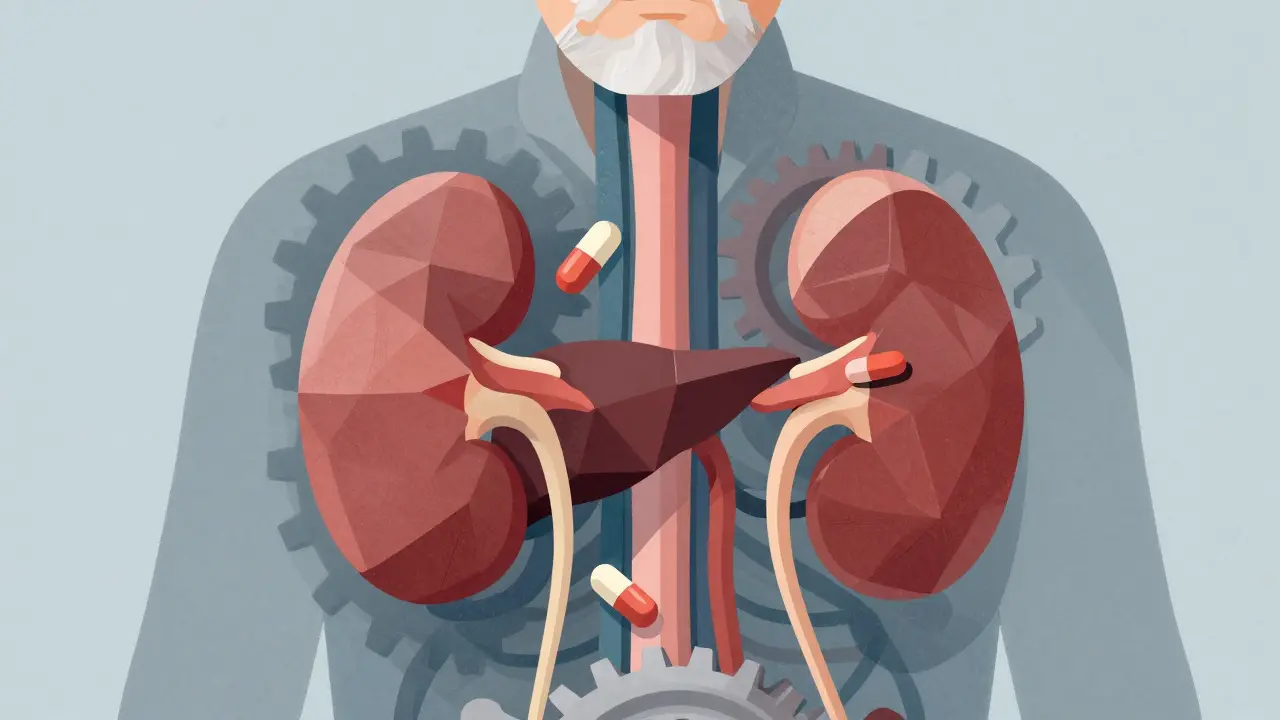
You might wonder why a pill that works fine for a 40-year-old could be risky for an 80-year-old. It comes down to physiology. As we age, our bodies change in ways that affect how drugs are processed. Kidney function naturally declines, meaning medications stay in the system longer. Liver metabolism slows down, altering how quickly drugs break down. Additionally, body composition shifts; seniors typically have less muscle mass and more body fat, which can cause fat-soluble opioids to accumulate in tissues and release slowly over time.
This physiological shift creates a higher risk for adverse events. The American Geriatrics Society emphasizes that appropriate therapy must balance pain relief with minimized risks through individualized dosing. When standard adult doses are given to seniors without adjustment, it can lead to respiratory depression, extreme sedation, and delirium. Delirium is particularly dangerous in this demographic because it increases fall risk and can lead to long-term cognitive decline. Therefore, any opioid regimen for a senior must account for these biological realities from day one.
The Shift in Guidelines: From Restriction to Personalization
In 2016, the CDC issued guidelines intended to curb the opioid epidemic. While well-intentioned, many providers applied these rules too strictly across all patient groups. A 2023 study published in JAMA Network Open highlighted a troubling consequence: elderly patients with cancer were often switched from effective first-line opioids to less safe alternatives like tramadol or gabapentinoids. These substitutes carried their own risks, including dizziness and confusion, which are poorly tolerated by older adults.
The CDC’s 2022 revision explicitly corrected this error. The updated guideline states that previous recommendations should not be applied as inflexible standards. For patients with cancer, sickle cell disease, or those receiving palliative care, opioids remain a critical tool. Dr. Jane Smith, Chief of Geriatric Medicine at Johns Hopkins University, noted that rigid application of arbitrary dosage limits resulted in the undertreatment of legitimate pain in elderly populations. The current standard encourages clinicians to carefully consider benefits and risks within the context of each patient’s specific circumstances, rather than relying on blanket bans or strict milligram caps.
Choosing the Right Medication
Not all opioids are created equal, especially for seniors. Some carry significantly higher risks than others due to how they metabolize. Meperidine, for instance, should be categorically avoided in elderly patients. It breaks down into normeperidine, a toxic metabolite that can cause seizures and delirium even at therapeutic doses. Codeine is another medication to approach with extreme caution because it requires liver activation to work, a process that varies wildly between individuals based on genetics.
Buprenorphine has emerged as a strong contender for geriatric pain management. As a partial agonist, it provides pain relief with a lower ceiling effect for respiratory depression compared to full agonists. Research indicates that low-dose transdermal buprenorphine causes fewer central nervous system side effects and lower rates of constipation when used in elderly patients. Morphine, oxycodone, and hydromorphone are also common choices, but they require careful titration. Tramadol and tapentadol require extra vigilance due to the risk of serotonin syndrome, especially if the patient is already taking antidepressants or other serotonergic drugs.
| Medication | Risk Level for Seniors | Key Concerns | Best Use Case |
|---|---|---|---|
| Buprenorphine | Lower | Fewer CNS side effects, lower constipation rate | Moderate to severe chronic pain |
| Morphine | Moderate | Renal clearance issues, histamine release | Short-term acute pain |
| Oxycodone | Moderate | Sedation, constipation | Cancer pain, post-surgical pain |
| Meperidine | High (Avoid) | Toxic metabolites causing seizures/delirium | None recommended for seniors |
| Tramadol | Moderate-High | Serotonin syndrome risk, seizure threshold lowering | Mild to moderate pain (with caution) |
Dosing Principles: Start Low, Go Slow
If you are starting opioid therapy for an opioid-naïve senior, the golden rule is to start low and go slow. Northwest PA In Guidance practice guidelines recommend initiating therapy at 30% to 50% of the standard adult dose. For example, instead of starting with a 10 mg tablet of oxycodone, a clinician might prescribe half a 5 mg tablet, or use an opioid elixir for precise micro-dosing. This approach minimizes the initial shock to the system and allows the doctor to gauge tolerance before increasing the amount.
Dose escalation must follow pharmacokinetic principles. You cannot rush the process. Titration intervals should be no faster than four times the selected opioid’s terminal half-life. For short-acting oxycodone immediate release, this means waiting at least 48 hours between dose adjustments. Long-acting opioids or patches should never be the first choice for someone who has not previously taken opioids. They should only be introduced after the patient has developed some tolerance using immediate-release agents. This prevents accidental overdose from sustained-release formulations building up in the bloodstream.
Monitoring for Safety and Side Effects
Prescribing the medication is only half the battle; monitoring is where safety truly happens. The Medical Board of California mandates regular evaluations of benefit versus harm. This isn't just about asking "does your pain hurt less?" It involves assessing functional goals. Can the patient walk to the mailbox? Are they sleeping better? Is their mood improving? If the pain score drops but the patient is too sedated to eat or socialize, the dose is likely too high.
Specific side effects require proactive management. Constipation is nearly universal with opioid use and does not improve over time. Seniors are already prone to bowel issues, so laxatives should be started concurrently with the opioid, not after symptoms appear. Respiratory function must be monitored, especially in patients with sleep apnea or COPD. Cognitive status checks are vital to detect early signs of delirium, such as sudden confusion or agitation. Fall risk assessments should be conducted regularly, as even mild sedation can destabilize balance in frail elders.
Non-Opioid Alternatives and Adjuncts
Opioids are rarely the sole solution. A comprehensive pain management plan includes non-opioid modalities. Nonsteroidal anti-inflammatory drugs (NSAIDs) like ibuprofen or naproxen can help, but they come with significant risks for seniors, including gastrointestinal bleeding, kidney injury, and cardiovascular events. Guidelines suggest using NSAIDs briefly-no more than one to two weeks during flare-ups-rather than as a long-term daily regimen.
Gabapentinoids, such as gabapentin and pregabalin, are often prescribed for nerve pain. However, recent studies show limited efficacy for general pain and significant risks of sedation, dizziness, and confusion in older adults. Physical therapy remains one of the safest and most effective interventions for maintaining mobility and reducing pain related to osteoarthritis. Cognitive behavioral therapy (CBT) for pain can also help patients develop coping strategies, reducing the reliance on medication alone. Integrating these approaches allows for lower opioid doses, thereby minimizing side effects.
Practical Steps for Caregivers and Patients
If you are involved in the care of a senior on opioids, here are actionable steps to ensure safety:
- Maintain a Medication Log: Track every dose, the time taken, and any observed side effects. This helps the doctor adjust prescriptions accurately.
- Avoid Alcohol: Mixing alcohol with opioids drastically increases the risk of respiratory depression and death. Even small amounts of wine with dinner can be dangerous.
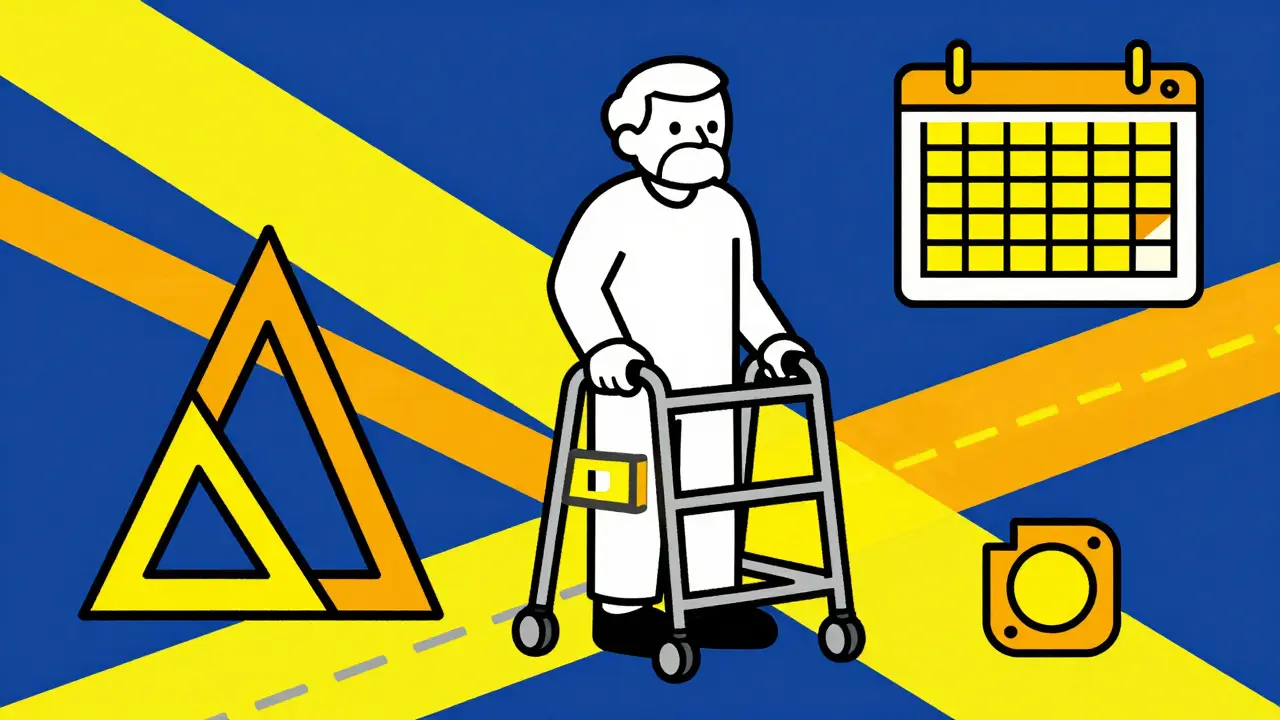
- Prevent Falls: Remove tripping hazards from the home. Ensure good lighting, especially at night. Consider using a walker or cane if balance is affected by medication.
- Communicate Openly: Encourage the patient to report changes in pain levels or mental clarity immediately. Do not wait for the next appointment if confusion or excessive drowsiness occurs.
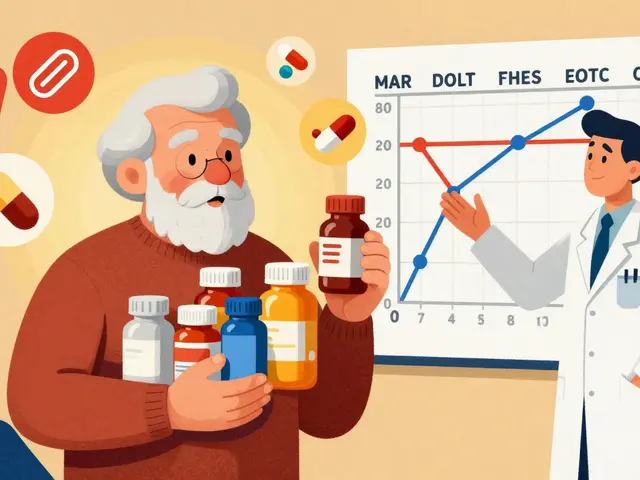
- Review All Medications: Polypharmacy is a major risk. Bring all prescription bottles, including over-the-counter drugs and supplements, to every medical visit to check for interactions.
Documentation is also key. For therapy expected to exceed three months, a treatment agreement may be necessary. This outlines the responsibilities of both the patient and the provider, including regular urine drug screening to ensure the medication is being taken as prescribed and no illicit substances are being mixed in.
Is it safe for seniors to take opioids long-term?
Long-term opioid use in seniors requires careful justification and monitoring. While not ideal for everyone, it can be safe and necessary for conditions like cancer pain or severe end-stage arthritis. The key is regular reassessment to ensure the benefits outweigh the risks. Doses should be kept as low as possible, and non-opioid therapies should be integrated whenever feasible.
What are the signs of opioid overdose in an elderly person?
Signs include extreme drowsiness or inability to wake up, slow or shallow breathing, pinpoint pupils, cold/clammy skin, and bluish lips or fingernails. If you suspect an overdose, call emergency services immediately. Naloxone (Narcan) can reverse an overdose but should be administered by trained personnel or according to local emergency protocols.
How do I manage constipation caused by opioids?
Constipation is a common side effect that does not resolve with tolerance. Proactive management is essential. Increase fluid intake and dietary fiber if medically appropriate. Use stool softeners and laxatives as prescribed by the doctor. If bowel movements stop for more than a few days, contact the healthcare provider immediately to prevent impaction.
Can seniors switch from one opioid to another?
Yes, but it must be done under strict medical supervision. Switching opioids involves calculating equivalent doses (morphine equivalents) and adjusting for incomplete cross-tolerance. Abrupt switches can lead to withdrawal symptoms or overdose. Doctors typically taper off the old medication while gradually introducing the new one.
What role does physical therapy play in pain management for seniors?
Physical therapy is a cornerstone of non-opioid pain management. It helps maintain strength, flexibility, and balance, which reduces pain associated with joint degeneration and muscle weakness. Regular exercise releases endorphins, the body's natural painkillers, potentially allowing for lower opioid doses.






they want you to believe the new guidelines are about safety but its really just big pharma trying to keep their stock prices up by keeping seniors dependent on these chemical shackles. think about it for a second. why would they suddenly care about your kidneys unless they needed more bodies to sell to? the whole system is rigged against the elderly because we are seen as disposable assets in this grand experiment of population control. i see the patterns everywhere if you just look past the noise.
May 6swetha r