Pediatric Medication Risk Estimator
Patient Profile
Analysis Result
Enter patient details to see how their developing body might process medication differently than an adult.
Children are not just small adults. This isn't a cute saying; it is a biological fact that changes how every pill, syrup, and injection works in their bodies. When you give a child a medication, you are dealing with an organism that is still under construction. Their liver enzymes, kidney function, and body water content shift dramatically from birth through adolescence. Because of this, pediatric medication side effects can look completely different-and often more severe-than what you would expect in an adult.
The stakes are high. A major study led by researchers at Columbia University and published in 2023 revealed that adverse reactions to drugs cause nearly 10 percent of all childhood hospitalizations. Even scarier? Nearly half of those hospitalizations involve life-threatening complications. If you are a parent or caregiver, understanding why these reactions happen and how to spot them is your best defense.
Why Kids' Bodies Process Drugs Differently
To understand the risk, you have to look at the plumbing. In pharmacology, we talk about pharmacokinetics: how the body absorbs, distributes, metabolizes, and excretes a drug. In children, every step of this process is dynamic.
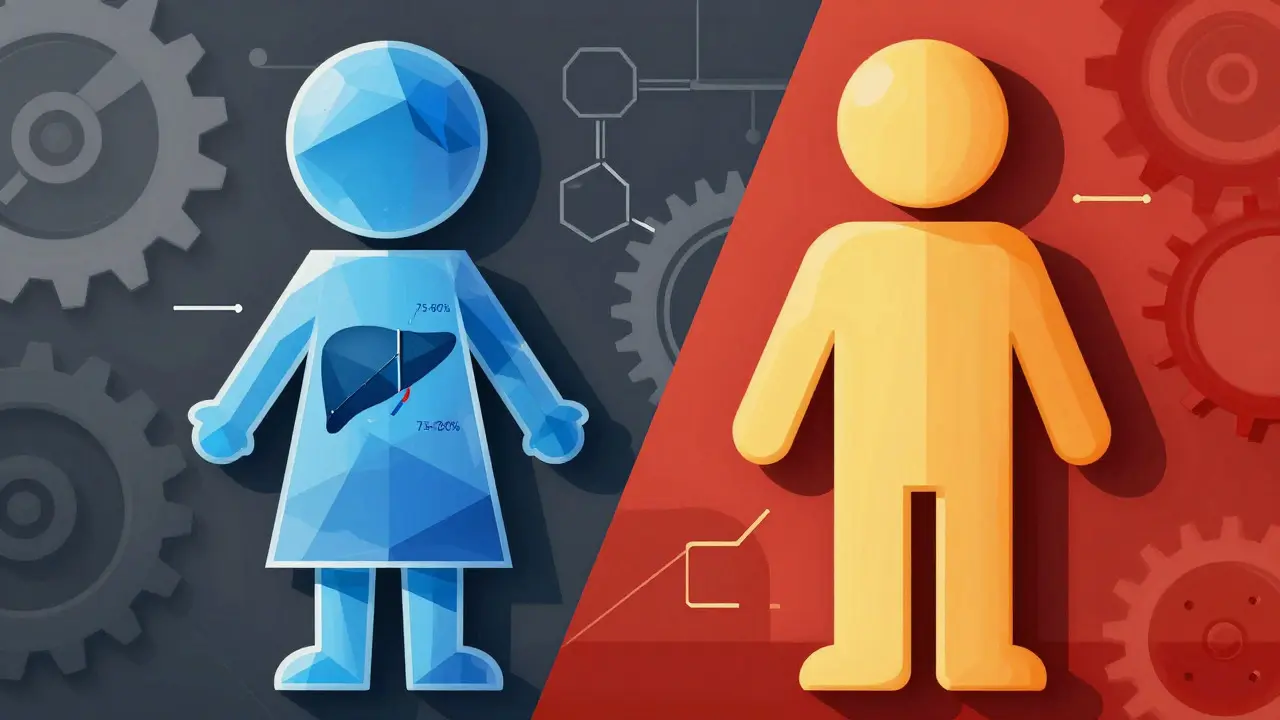
Take body composition first. Newborns have about 75-80% body water compared to roughly 60% in adults. This means water-soluble drugs can spread differently, potentially leading to higher concentrations in certain tissues. Then there is the liver, the body's main chemical processing plant. Liver enzyme activity isn't static. In neonates (the first 28 days of life), cytochrome P450 enzyme activity is only 30-40% of adult levels. But then something strange happens: between 1 and 12 months, some enzymes spike to 100-200% of adult activity. By school age, clearance rates for many drugs are actually faster than in adults.
This rollercoaster means a dose that is safe for a toddler might be ineffective for a baby, or toxic for a preschooler. The Columbia study found strong statistical links (p-value <0.001) between these changing enzyme levels and adverse drug events. It’s not random; it’s developmental biology clashing with static dosing guidelines.
| Factor | Infants (0-12 months) | Adults |
|---|---|---|
| Body Water Percentage | 75-80% | ~60% |
| Liver Enzyme Activity (Early) | 30-40% of adult levels | 100% |
| Kidney Filtration Rate | Immature, slower clearance | Fully mature |
| Drug Metabolism Variability | High (up to 200% adult activity later) | Stable |
The "Off-Label" Reality Check
Here is a hard truth that many parents don't know: up to 75% of medications prescribed to children are used "off-label." This means the drug has never been specifically tested or approved for use in kids. While doctors do this because they need to treat illness, it creates a blind spot. We often rely on adult data and guess how it translates to a growing child.
Only about 50% of drugs prescribed to children have been studied in pediatric populations. This gap exists despite laws like the Best Pharmaceuticals for Children Act (2002) and the Pediatric Research Equity Act (2003). The result? We sometimes discover serious side effects only after thousands of children have taken the drug. For example, montelukast, a common asthma medication, was found to carry a significantly higher risk of psychiatric side effects in children during their second year of life-a risk that wasn't fully appreciated until large-scale data analysis highlighted it.
High-Risk Medications to Watch
Not all drugs carry the same weight. Some classes of medication are notorious for causing issues in kids. Researchers at Mayo Clinic created the "KIDs List" (Key Potentially Inappropriate Drugs in Pediatrics) to help clinicians avoid these traps. Here are the big ones you should know:
- Codeine: A painkiller that is metabolized by the liver enzyme CYP2D6. About 1 in 30 children are "ultra-rapid metabolizers," meaning their bodies convert codeine into morphine too quickly, risking fatal respiratory depression.
- Aspirin: Linked to Reye's syndrome, a rare but deadly condition affecting the liver and brain, when given to children with viral infections like flu or chickenpox.
- Loperamide: Used for diarrhea, but banned for children under 6 in many regions due to risks of cardiac arrest and severe neurological side effects.
- Benzocaine Gels: Common teething gels that can cause methemoglobinemia, a condition where blood cannot carry oxygen effectively. The FDA received over 400 reports of this between 2006 and 2011.
Antibiotics are another major category. They cause gastrointestinal issues in 25-30% of pediatric patients, compared to only 10-15% in adults. High-dose amoxicillin-clavulanate, for instance, carries a 2.7-fold increased risk of severe stomach reactions in children under two years old.
Spotting the Signs: What Parents Should Do
You don't need a medical degree to monitor your child. You need observation skills. Most mild side effects-like a slight upset stomach, drowsiness, or a minor rash-occur in about 15-20% of medication courses and often fade after a few days. However, you must distinguish between "annoying" and "dangerous."
Keep a simple medication diary. Note the time you gave the dose and any changes in behavior or physical state within the next 24 hours. Look for these red flags that require immediate medical attention:
- Difficulty breathing: This occurs in less than 0.5% of cases but is life-threatening.
- Facial swelling or hives: Signs of an allergic reaction.
- Unexplained rapid heartbeat: Unless the drug is supposed to raise heart rate (like albuterol for asthma), this is a warning sign.
- Behavioral changes: Agitation, hallucinations, or extreme mood swings, especially with new psychiatric or respiratory meds.
If you see these, stop the medication and call your doctor or emergency services. Do not wait to see if it gets better.
Reducing Risk: Practical Steps for Caregivers
Prevention is always better than reaction. Start by asking your pharmacist or doctor specific questions. Don't just ask, "Is this safe?" Ask, "Has this drug been studied in children my child's age?" If the answer is no, ask about alternatives that have more robust pediatric data.
Avoid polypharmacy whenever possible. Giving multiple medications increases the chance of interactions. A 2024 review identified polypharmacy as one of the top risk factors for drug-related side effects in children. If your child is on several prescriptions, request a "brown bag review" where you bring all bottles to the doctor so they can check for conflicts.
Also, be wary of over-the-counter combinations. Many cold medicines contain ingredients that overlap with prescription drugs, accidentally doubling the dose. Stick to single-ingredient treatments unless a professional advises otherwise.
The Future of Child Medication Safety
Things are slowly getting better. The FDA launched the Pediatric Drug Safety portal (PDSportal) in 2023, giving providers free access to safety signals across different childhood stages. Tools like KidSIDES now offer validated databases of drug-side effect pairs, helping doctors make smarter choices.
We are moving toward precision pediatric pharmacology. Instead of one-size-fits-all dosing, future guidelines may use genetic testing to predict how a specific child will metabolize a drug. The NIH is currently funding studies to develop age-specific pharmacogenomic guidelines. While we aren't there yet, these tools promise to reduce the guesswork that has defined pediatric medicine for decades.
Why are children more susceptible to drug side effects than adults?
Children have immature organ systems, particularly the liver and kidneys, which process and remove drugs from the body. Their body composition also changes rapidly, with higher water content in infancy. These physiological differences mean drugs can accumulate to toxic levels or clear too quickly, making standard adult doses unsafe.
What does "off-label" mean for pediatric drugs?
Off-label use means prescribing a drug for an age group or condition that hasn't been formally tested and approved by regulatory agencies like the FDA. Up to 75% of pediatric prescriptions are off-label, which increases uncertainty regarding safety and optimal dosing.
Are antibiotics safer for children than adults?
No, antibiotics often cause more frequent side effects in children. Gastrointestinal issues occur in 25-30% of pediatric patients compared to 10-15% in adults. Certain antibiotics also carry higher risks of severe reactions in young children due to developing gut microbiomes and immune systems.
When should I seek emergency help for a medication reaction?
Seek immediate care if your child experiences difficulty breathing, facial swelling, hives, seizures, or unexplained rapid heartbeat. These signs indicate a severe allergic reaction or toxicity that requires urgent medical intervention.
Can genetic testing help prevent side effects in children?
Yes, pharmacogenomic testing can identify how a child's genes affect drug metabolism. For example, testing for CYP2D6 variants can determine if a child is an ultra-rapid metabolizer of codeine, preventing potentially fatal respiratory depression. This field is expanding rapidly.