Pill Splitting Safety Checker
Check if Your Medication is Safe to Split
Enter the name of your medication to see if it's safe to split and why.
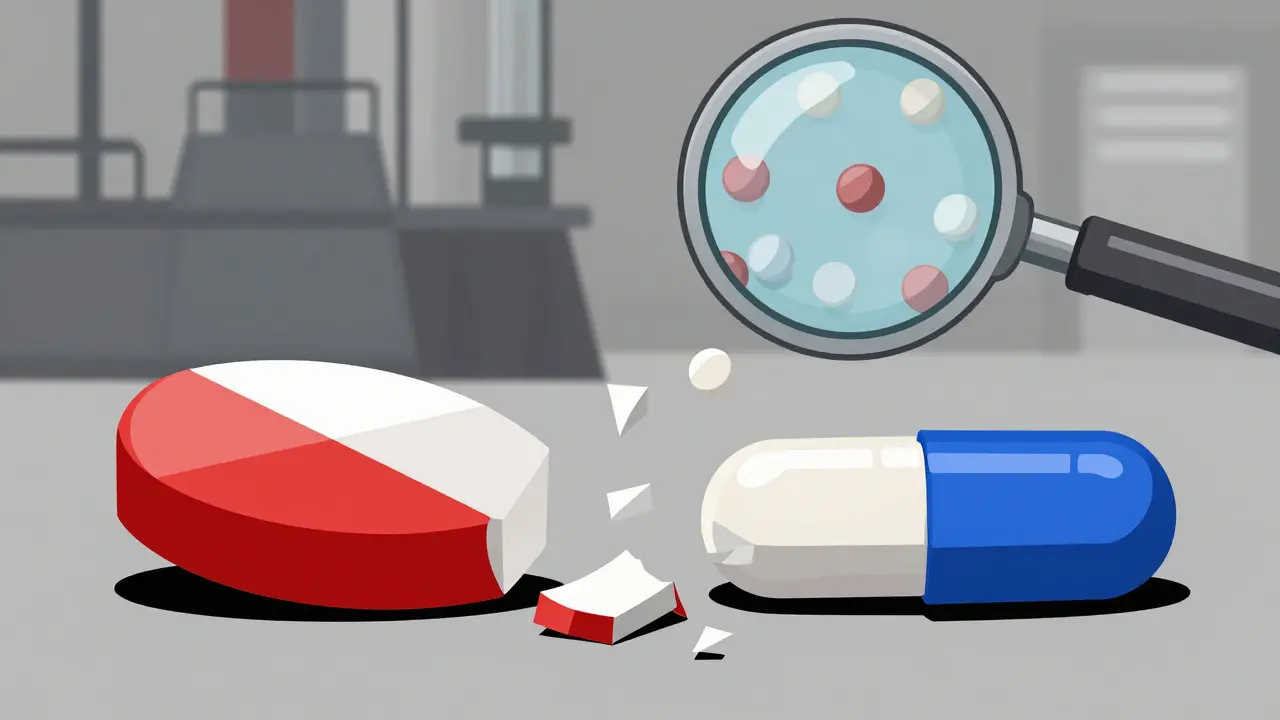
Splitting pills might seem like a simple way to save money or make swallowing easier, but it’s not as safe as it looks. Many people do it without knowing the risks-cutting a tablet in half with a knife, using scissors, or even snapping it with their fingers. But some medications can become dangerous when split. The wrong move could mean too much drug in your system-or too little. And that’s not just a theory. In 2022, the FDA reported 14 serious adverse events linked to split extended-release pills in just seven years. If you’re thinking about splitting your pills, you need to know exactly which ones are safe-and which ones could hurt you.
Why People Split Pills
People split pills for three main reasons: cost, swallowing trouble, and dosage needs. A 10mg tablet often costs the same as a 5mg tablet, so splitting one gives you two doses for the price of one. For medications like amlodipine or sertraline, that can save $25 to $30 every 90 days. For seniors with arthritis or stroke survivors with swallowing issues, splitting makes pills easier to take. And sometimes, the exact dose isn’t made by manufacturers-so splitting is the only way to get it. But here’s the catch: not all pills are made to be split. And the difference isn’t always obvious. A scored line doesn’t guarantee safety. Some tablets have a score just for appearance. Others are designed to split-but only if you use the right tool and split them right before taking them.Medications That Are Safe to Split
If a pill is meant to be split, it’s usually an immediate-release tablet with a clear score line. These break evenly and release the drug quickly after swallowing. The FDA and the Institute for Safe Medication Practices (ISMP) list these as generally safe when split properly:- Citalopram (Celexa) - 20mg and 40mg tablets
- Escitalopram (Lexapro) - 10mg and 20mg tablets
- Fluvoxamine (Luvox) - 50mg and 100mg tablets
- Sertraline (Zoloft) - 50mg and 100mg tablets
- Amlodipine (Norvasc) - 5mg and 10mg tablets
- Hydrochlorothiazide - 25mg tablets
- Atorvastatin (Lipitor) - 10mg and 20mg tablets
- Metoprolol tartrate (Lopressor) - 25mg and 50mg tablets
Medications That Should Never Be Split
Some pills are designed to release medication slowly over hours. Splitting them breaks that system open. That can cause a dangerous spike in drug levels-or make the drug useless. These are absolute no-go zones:- Extended-release (ER), sustained-release (SR), or controlled-release (CR) pills - Like OxyContin, Metformin XR, or Topamax XR
- Enteric-coated tablets - Designed to dissolve in the intestine, not the stomach. Splitting exposes the drug to stomach acid. Examples: Enteric-coated aspirin, omeprazole (Prilosec)
- Capsules with powders or beads - Like Adderall XR or Cipro XR. Opening them releases all the dose at once
- Hazardous drugs - Like paroxetine (Paxil), which is classified by NIOSH as a reproductive hazard. Splitting can expose you to airborne particles
- Alendronate (Fosamax) - Can irritate the esophagus if split
- Dabigatran (Pradaxa) - A blood thinner where even small dose changes can cause clots or bleeding
How to Split Pills Safely
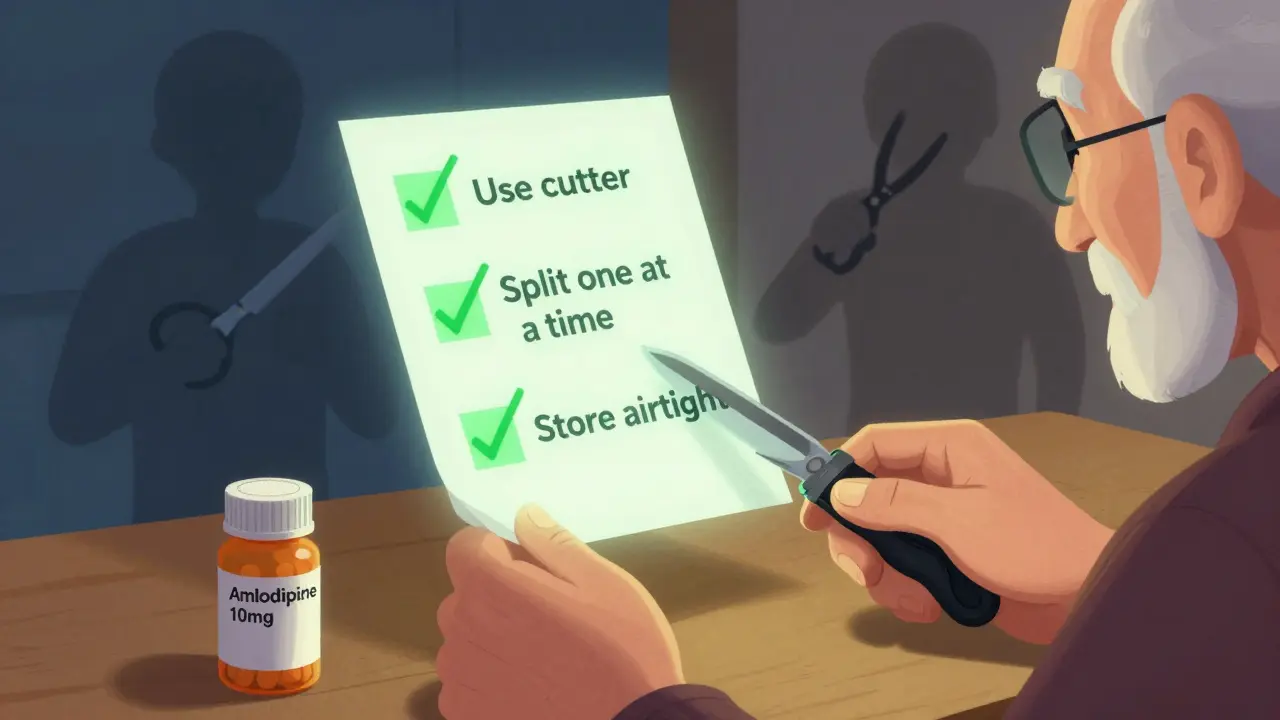
Even safe pills can become risky if you split them wrong. Here’s how to do it right:- Use a tablet cutter - Not a knife, not scissors. A $10 plastic or metal tablet cutter from a pharmacy gives you a clean, even split. Studies show it cuts dose variation from 40% down to 8-12%.
- Split one pill at a time - Don’t split your whole month’s supply. Exposure to air and moisture can degrade the drug. ISMP says potency can drop by up to 35% in just 72 hours.
- Store split pills properly - Keep them in an opaque, airtight container. Avoid humidity. Replace them every three days.
- Wash your hands - Especially if you’re handling hazardous drugs like paroxetine. Even tiny amounts can be dangerous.
- Check with your pharmacist - They can tell you if your pill is meant to be split and if the manufacturer tested it for split accuracy.
Cost vs. Risk
Splitting can save you money. For amlodipine, it’s about $28.50 saved every 90 days. For sertraline, up to $187 a year. That adds up. But it’s not free. A 2009 study in the Journal of the American Pharmacists Association found a 12% risk of dose inaccuracy with hydrochlorothiazide when split at home. For a blood pressure pill, that could mean your pressure drops too low-or stays too high. Manufacturers now make lower-dose versions of many pills. A 5mg amlodipine tablet might cost 35% more than splitting a 10mg one-but it’s 99.8% accurate. No guesswork. No risk. For people with heart disease, kidney problems, or those on narrow therapeutic index drugs (like warfarin or levothyroxine), that precision matters more than savings.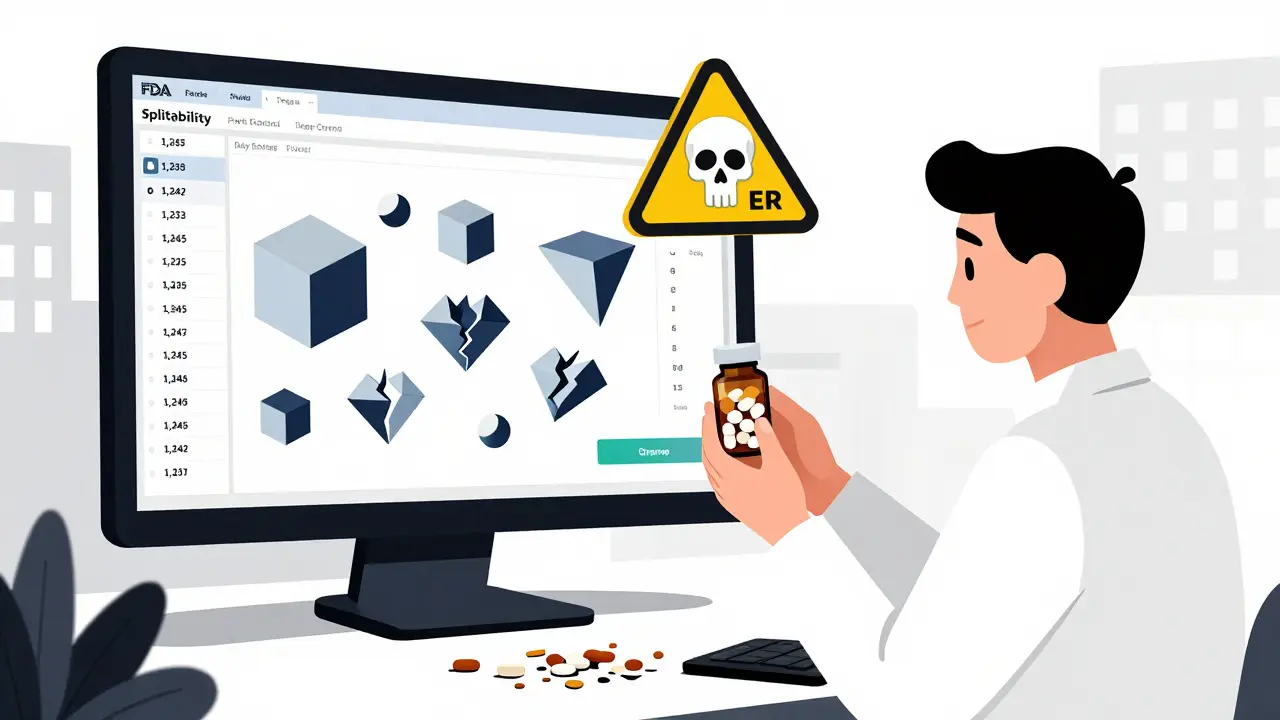
What Pharmacists Say
The National Community Pharmacists Association surveyed 1,200 pharmacists in 2021. 78% routinely advise against splitting unless the package insert says it’s okay. 63% have seen at least one patient harmed by improper splitting in the past year. One pharmacist in Manchester told me about a woman who split her OxyContin tablet because she couldn’t swallow it. She ended up in the ER with respiratory depression. She didn’t know it was extended-release. Pharmacists also see how hard it is for seniors with arthritis. The Arthritis Foundation says 42% of seniors with hand pain give up splitting because they can’t hold the cutter steady. That’s why digital tools are rising. Walgreens and CVS now offer apps that show you how to split pills with video guides. Those reduce errors by 29%.What’s Changing
In March 2023, the FDA updated its rules. Now, drugmakers must include splitability info in electronic labels. By December 2024, 1,247 drug products had this info added. That’s progress. But only 57% of scored tablets have been officially tested for safe splitting by the FDA. The European Medicines Agency is stricter-they require stability testing before a pill can be labeled as splittable. That’s why inappropriate splitting is 38% lower in the EU. Future alternatives are coming. Oral soluble films, multi-particulate systems, and liquid formulations are becoming more common. These give precise doses without splitting. The Pharmaceutical Research and Manufacturers of America predicts these will cut pill splitting use by 25% in the next 10 years.Final Advice
If you’re thinking about splitting your pills:- Never split without checking with your doctor or pharmacist first.
- Only split pills that are clearly labeled as safe for splitting.
- Use a tablet cutter-not anything else.
- Split one pill at a time. Don’t stockpile halves.
- If you feel dizzy, nauseous, or your condition changes after splitting, stop and call your provider.
Can I split my blood pressure pill in half?
Some blood pressure pills can be split safely-like amlodipine, hydrochlorothiazide, or metoprolol tartrate-if they have a score line and are immediate-release. But never split extended-release versions like Norvasc XL or Toprol XL. Always check the label or ask your pharmacist. Splitting the wrong one can cause your blood pressure to drop too low or spike dangerously.
Is it safe to split a 10mg tablet to get a 5mg dose?
It’s only safe if the tablet is designed for splitting. Check the package insert or ask your pharmacist. Many 10mg tablets are meant to be taken whole. If it’s an extended-release, enteric-coated, or capsule form, splitting it can be dangerous. Even if it looks like it should split, it might not. A score line doesn’t guarantee safety.
Why can’t I split my antidepressant pill if it has a score line?
Some antidepressants like paroxetine (Paxil) are hazardous drugs. Even though they have a score line, splitting them can release fine particles into the air that may be harmful if inhaled, especially for pregnant women or those trying to conceive. The National Institute for Occupational Safety and Health (NIOSH) classifies paroxetine as a reproductive hazard. Always follow the manufacturer’s instructions-even if the pill looks splittable.
What happens if I split a time-release pill?
Splitting a time-release pill breaks the coating or matrix that controls how slowly the drug enters your body. This can cause the full dose to release all at once, leading to overdose symptoms like dizziness, rapid heartbeat, or even respiratory failure. For example, splitting OxyContin can cause a fatal opioid overdose. Never split any pill labeled ER, XR, SR, or CR.
How long can I store split pills?
Store split pills in an airtight, opaque container and use them within 72 hours. Exposure to air, light, and moisture can reduce potency by up to 35%. The Institute for Safe Medication Practices recommends splitting only one pill at a time, right before taking it. Storing halves for days or weeks increases the risk of ineffective or unsafe dosing.
Can I use a kitchen knife to split pills?
No. Kitchen knives, scissors, or your fingers create uneven splits and can crumble the tablet. Studies show these methods lead to dose variation of 25-72%. A dedicated tablet cutter reduces that to 8-15%. Using improper tools also increases the risk of cutting yourself or inhaling powder from hazardous drugs. It’s not worth the risk-buy a $10 tablet cutter from your pharmacy.



i was gonna split my citalopram 20mg but then i read this and now i just feel like maybe my hands r too shaky anyway lol
December 24also i think the pill cutter i bought from walmart broke after 3 uses??
Ajay Sangani