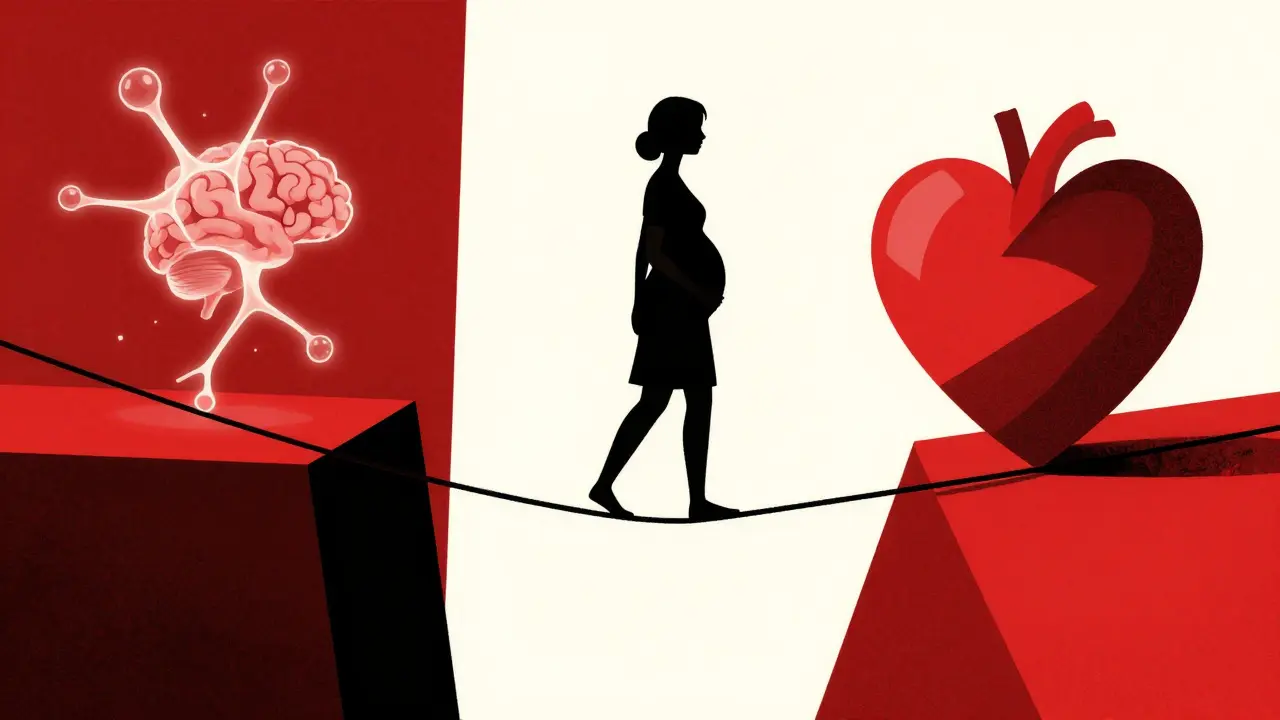
Deciding whether to take an antidepressant while pregnant is one of the most complex medical choices a woman can face. It feels like walking a tightrope without a safety net. On one side sits your mental health; on the other, potential risks to the baby. Statistics show that about 10 to 15% of women experience depression or anxiety during pregnancy that requires treatment. Leaving severe depression untreated isn't just about feeling sad-it's a life-threatening situation. Suicide currently accounts for 20% of all pregnancy-related deaths in the United States. Yet, fear of harming the fetus often drives many women to stop medication abruptly, triggering withdrawal or relapse.
Understanding Selective Serotonin Reuptake Inhibitors
Selective Serotonin Reuptake Inhibitors (SSRIs) are a class of medications primarily used to treat depression and anxiety disorders by inhibiting serotonin reuptake transporters. First approved in the late 1980s, these drugs have been the standard of care for over three decades. They work by increasing the availability of serotonin in the brain, which helps regulate mood. Because they cross the placenta, the fetus is exposed to the medication. This doesn't necessarily mean harm, but it means exposure. The American College of Obstetricians and Gynecologists (ACOG) and the Society for Maternal-Fetal Medicine (SMFM) updated their guidelines in 2023 to clarify exactly what we know about this exposure.
The Risks: Parsing Absolute vs. Relative Numbers
Fear often stems from misunderstanding how medical risks are presented. When researchers say there is a "risk increase," they sometimes talk about relative risk, which makes small problems sound catastrophic. To understand the reality, we need to look at absolute numbers. For example, Persistent Pulmonary Hypertension of the Newborn (PPHN) occurs in 1 to 2 babies out of every 1,000 births in the general population. With SSRI exposure during the third trimester, that number rises to 3 to 6 out of every 1,000.
| Outcome | General Population Rate | SSRI-Exposed Rate | Notes |
|---|---|---|---|
| Persistent Pulmonary Hypertension (PPHN) | 1-2 per 1,000 live births | 3-6 per 1,000 live births | Risk increases slightly in third-trimester exposure |
| Preterm Birth (<37 weeks) | 6.8% | 10.5% (depressed non-exposed: 9.5%) | Risk decreases when controlling for severity of depression |
| Cardiac Septal Defects | 0.5% | 0.7-1.0% (specifically with Paroxetine) | Risk varies significantly by specific medication type |
| Low Birth Weight (<2,500g) | Varies by region | 8.7% (SSRI) vs 6.2% (Non-Exposed Depressed) | Depression itself is a significant contributing factor |
This table highlights a crucial distinction: the mother's underlying condition plays a massive role. When researchers control for the severity of the depression-comparing women with depression who take meds against those who don't-the risk of adverse outcomes often drops dramatically or disappears. Untreated depression itself causes stress, sleep issues, and poor nutrition that affect the baby. In fact, untreated depression doubles the risk of preterm birth compared to the small increase associated with medication use.
Which Medications Are Safest?
Not all antidepressants carry the same profile during pregnancy. Sertraline (Zoloft) is widely considered the first-line choice. Research shows it has a favorable safety record with low placental transfer ratios that are still manageable for newborns. Fluoxetine (Prozac) is also commonly used, particularly for severe cases, due to its long half-life which prevents rapid crashes in mood if a dose is missed. Citalopram (Celexa) is another option with a stable track record.
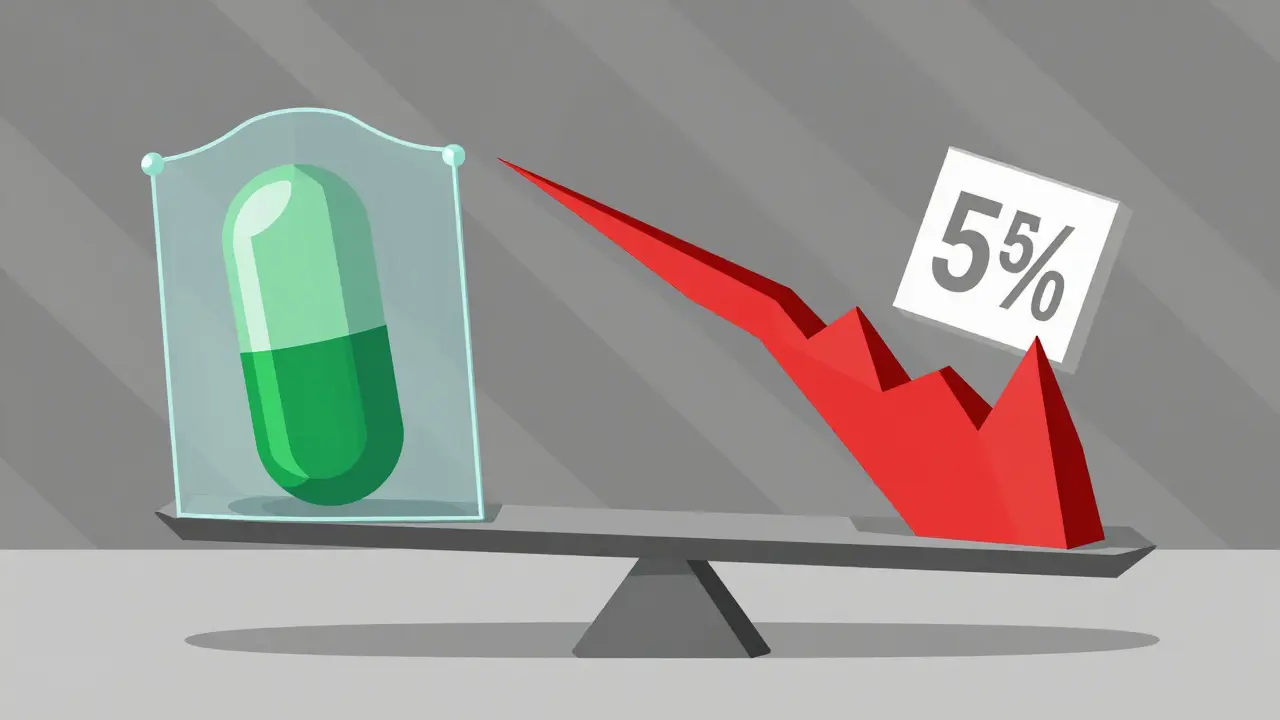
Conversely, Paroxetine (Paxil) is generally avoided, especially in the first trimester. Large studies suggest a correlation with cardiac septal defects. The absolute risk jumps from roughly 0.5% to between 0.7% and 1.0%. While this sounds small to some, in the context of avoidable risks, doctors typically steer clear of it. If a patient is already on Paroxetine and discovers she is pregnant, an abrupt switch is usually discouraged due to the risk of relapse. Instead, a careful transition to Sertraline under medical supervision is recommended.
The Cost of Untreated Mental Illness
The argument for continuing medication is powerful because the alternative-stopping cold turkey-is dangerous. Discontinuing SSRIs leads to a 4.3-fold increased risk of depressive relapse. Imagine being halfway through a marathon and suddenly tripping over your own shoelaces. That's what relapse feels like for someone in recovery. Studies found a 92% relapse rate among women who stopped treatment during pregnancy compared to just 21% for those who continued.
Beyond the mother's well-being, untreated depression impacts the infant indirectly. Postpartum depression is the strongest predictor of long-term family health issues. About 14.5% of women with untreated antenatal depression develop postpartum depression, compared to 4.8% of those who were treated. Furthermore, untreated depression leads to substance use in 25% of cases versus 8% in treated women. Poor bonding between mother and infant, measured by attachment scales, is significantly lower in women who went untreated, setting up developmental challenges for the child.
Expert Consensus and Regulatory Tension
There is significant debate between regulatory bodies and clinical organizations. In July 2025, an FDA panel raised alarms about long-term neurodevelopmental effects, citing animal studies and human observational data. This prompted immediate pushback from leading clinical groups. Dr. Steven Fleischman, President of ACOG, criticized the panel for being "alarmingly unbalanced," noting they had only one expert focusing on the benefits of treatment versus ten discussing potential harms. SMFM issued a concurrent statement reinforcing that available data consistently shows no association with major congenital anomalies or long-term developmental problems in humans.
While regulatory caution ensures safety nets, clinicians are dealing with living patients daily. The National Institutes of Health (NIH) released a comprehensive review in 2023 stating that when weighed against the risks of untreated illness, continuing SSRIs is the recommended path. They emphasized that absolute risks remain low. Currently, the NIH is funding a $15 million longitudinal study launched in September 2025 to track 10,000 mother-child pairs, aiming to resolve the remaining uncertainties about adolescence outcomes by 2030.

Managing Treatment and Withdrawal
If you decide to continue medication, the protocol involves monitoring and using the lowest effective dose. A common starting point for Sertraline is 25 to 50mg daily, titrated up to 150mg depending on symptom severity. Monitoring blood pressure after 20 weeks is essential, as gestational hypertension occurs slightly more often in users (8.5% vs 6.2%). If a patient decides to stop, never do it abruptly. Withdrawal symptoms like dizziness, nausea, and the infamous "brain zaps" affect 73% of women who quit cold turkey.
For those tapering off, ACOG recommends a stepwise process over 4 to 6 weeks with weekly screening using tools like the PHQ-9 questionnaire. This ensures that any emerging mood symptoms are caught early. For women delivering while on medication, infants may experience Neonatal Adaptation Syndrome in about 30% of cases. Symptoms include jitteriness or breathing irregularities. Most resolve within two weeks, but pediatric teams should be notified beforehand to watch for signs of PPHN or respiratory distress.
Moving Forward with Confidence
The consensus across authoritative medical sources remains clear: the risks of SSRIs in pregnancy are justified when juxtaposed next to the severe dangers of untreated mental illness. The goal isn't zero risk-which is impossible-but managed risk. Individualized decision-making between patients and providers is paramount. Do not make changes to your regimen based on headlines alone. Review the specific data on absolute risk, understand the safety profiles of different drugs like Sertraline versus Paroxetine, and prioritize the stability of your own health as the foundation for your child's future.
Is it safe to take Zoloft (Sertraline) while pregnant?
Yes, Sertraline (Zoloft) is considered the safest SSRI during pregnancy according to ACOG and SMFM guidelines. It has a well-established safety profile with low rates of congenital malformations compared to other antidepressants.
Can antidepressants cause birth defects?
Most SSRIs do not increase the risk of major birth defects significantly. Paroxetine (Paxil) specifically is associated with a slight increase in heart defect risks (from 0.5% to ~1%), which is why it is avoided. Overall risk for other SSRIs remains very low.
What are the risks of stopping antidepressants during pregnancy?
Stopping medication carries a high risk of relapse (up to 92%). Severe untreated depression is linked to higher rates of preterm birth, suicide (accounting for 20% of maternal deaths), substance use, and impaired mother-infant bonding.
Do SSRIs cause autism in children?
Current evidence is mixed. Some studies suggest a small increase, but recent large-scale analyses adjusting for family history and depression severity show no significant association (Odds Ratio 1.02). Genetics and environmental factors play a larger role than the medication itself.
How should I plan my delivery while on SSRIs?
Inform your obstetrician and pediatrician. Babies may experience mild withdrawal symptoms (Neonatal Adaptation Syndrome) like jitteriness. Monitoring for breathing difficulties related to PPHN is recommended, though serious cases are rare (3-6 per 1,000).





walking a tightrope without a safety net really hits home here :) i think we need more open dialogue about mental health in pregnancy. balance is key for every family situation.
March 27Philip Wynkoop