Adverse Event Reporting: What It Is and Why It Matters for Your Safety
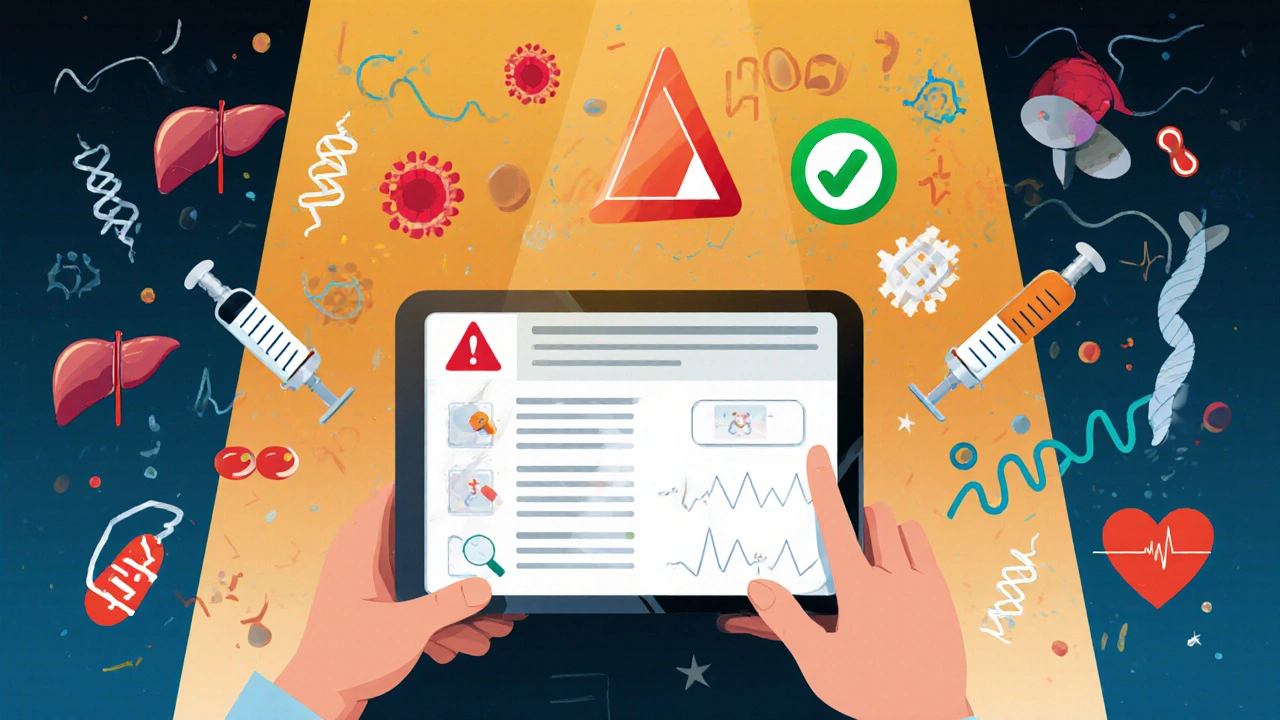
When a medication causes an unexpected or harmful reaction, that’s called an adverse event reporting, the systematic process of documenting harmful side effects from drugs, vaccines, or medical devices to protect public health. Also known as pharmacovigilance, it’s the backbone of drug safety—turning individual patient experiences into data that can change how medicines are used, labeled, or even pulled from the market. This isn’t just for doctors or researchers. If you or someone you know has had a bad reaction to a pill, injection, or patch, your report matters.
Adverse event reporting connects directly to real-world risks you might face. For example, grapefruit juice can spike drug levels in your blood, leading to dangerous side effects—something that might show up in a report and trigger a warning label. Or a new painkiller might cause rare but serious liver damage in a small group of users; without enough reports, that risk stays hidden. The FDA, the U.S. agency responsible for overseeing drug safety and reviewing adverse event data to make public health decisions collects tens of thousands of these reports every year. But most go unreported. Why? People think it’s not their job, or they assume it’s too late, or they don’t know how. The truth? Even one report can be the clue that stops a pattern.
It’s not just about the drug itself—it’s about how it interacts with your body, your other meds, your diet, or your condition. A reaction to timolol after stopping it too fast? That’s an adverse event. A rash from a topical cream you thought was harmless? That counts too. Even pets getting sick from human pills, like Tylenol poisoning in cats, fall under this system. These aren’t just side effects—they’re signals. And the more people report them, the clearer the picture becomes.
You don’t need to be a scientist to file a report. It takes minutes. You can do it online, by phone, or even through your pharmacist. And you don’t need proof—just your experience. Did you get dizzy after starting a new blood pressure pill? Did your headache get worse instead of better? Did your skin break out after using a new cream? Write it down. Submit it. You’re not causing trouble—you’re helping prevent it.
Below, you’ll find real stories and practical guides that tie directly into this system. From spotting hidden allergies in topical meds to understanding how opioid risks are tracked, each post shows how adverse event reporting isn’t some distant bureaucracy—it’s your frontline defense. Whether you’re managing chronic pain, taking insulin while traveling, or helping a loved one with a rare disease like Wilson’s, your awareness and action make a difference. What you notice, what you report, and what you share could literally save lives—including your own.