Fake Medications: How to Spot Counterfeits and Stay Safe
When you buy a pill, you expect it to do what it says on the label. But fake medications, counterfeit drugs that mimic real prescriptions but contain harmful or inactive ingredients. Also known as counterfeit drugs, they can be deadly—especially when they replace life-saving treatments like insulin, blood pressure meds, or antibiotics. These aren’t just shady online scams; fake pills have shown up in pharmacies, mail-order services, and even through social media ads promising cheap discounts.
The real danger isn’t just that they don’t work—it’s what they might contain. Some fake medications include rat poison, floor cleaner, or too much of a powerful drug like fentanyl. Others have no active ingredient at all, leaving chronic conditions like diabetes or heart disease untreated. This is why drug authenticity, the verified identity and composition of a medication matters more than price. The FDA drug recall, the official process by which unsafe or counterfeit drugs are pulled from circulation happens because people get hurt. And while recalls help, they don’t catch everything. That’s why you need to know how to check your meds yourself.
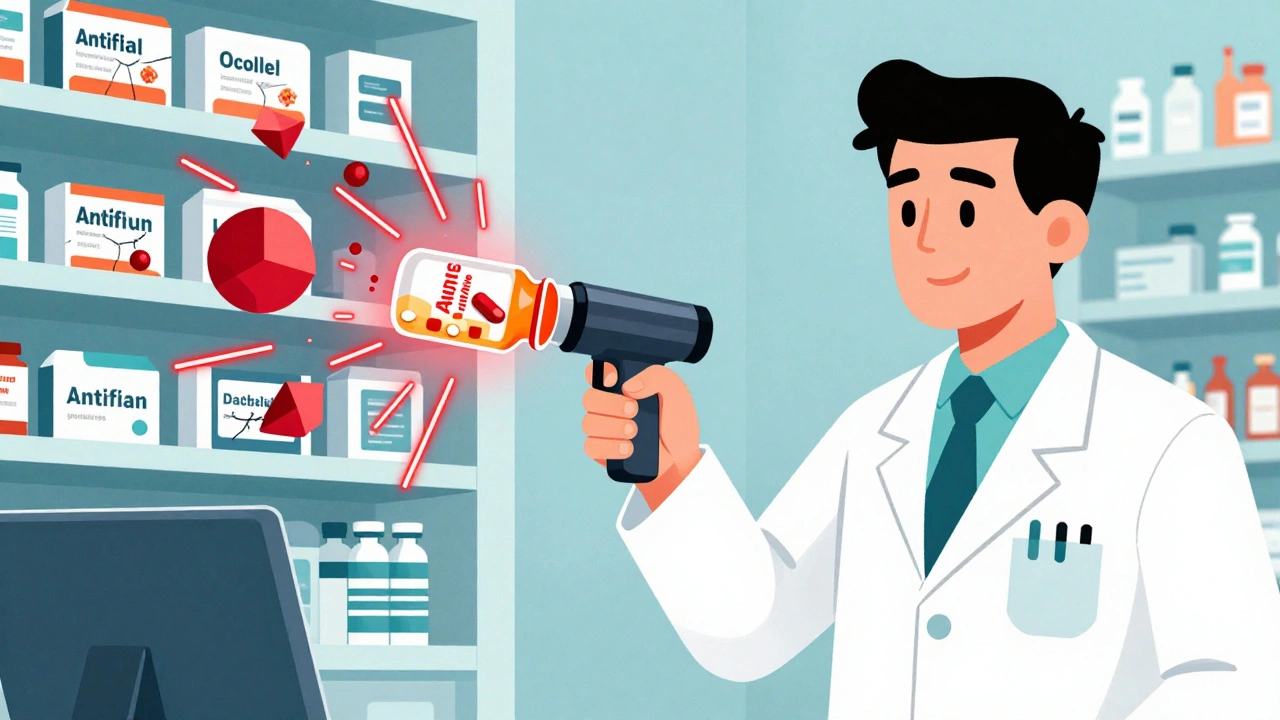
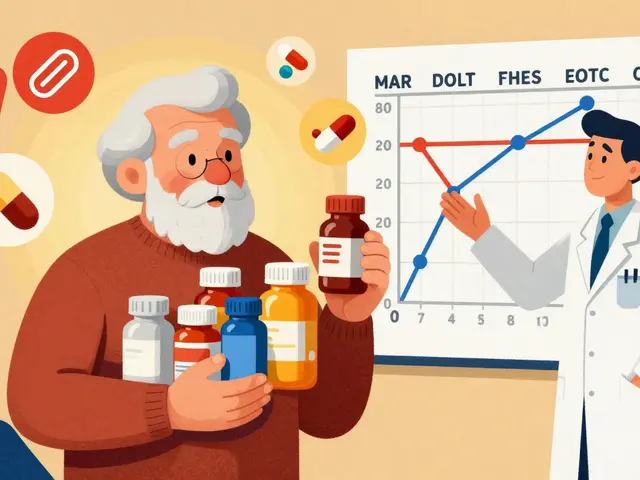
Here’s what you can do: Always buy from licensed pharmacies. If a deal seems too good to be true—like $50 for a $300 insulin pen—it probably is. Check the packaging for spelling errors, odd colors, or missing lot numbers. Compare your new pills to the last batch you got. If they look different, ask your pharmacist. Bring your pill bottles to every doctor visit—this simple habit helps catch mismatches before they cause harm. And if you suspect something’s wrong, report it. The FDA tracks fake drug reports to shut down operations and warn others.
You’re not alone in this. Thousands of people have been poisoned by fake versions of popular drugs like Viagra, Xanax, and even COVID treatments. Some of the posts below show how even legitimate medications can become dangerous when mixed with unsafe substances, or when patients don’t know what’s really in their pills. Others explain how the system tries to stop these drugs before they reach you—from bioequivalence testing for generics to how the FDA handles recalls. You’ll also find tips on how to safely order meds online, recognize tampered packaging, and what to do if your medicine doesn’t work like it should.
Knowing how to spot a fake isn’t paranoia—it’s basic health safety. And with so many people managing multiple prescriptions, the risk is higher than ever. The good news? You have more power than you think. By asking questions, checking sources, and staying alert, you can protect yourself and your loved ones from something that’s harder to detect than ever before.