Maxalt: What It Is, How It Works, and What You Need to Know
When you’re hit with a migraine, time matters. Maxalt, a brand-name version of the drug rizatriptan, is a triptan medication designed to stop migraine attacks in their tracks. Also known as rizatriptan, it works by narrowing blood vessels around the brain and blocking pain pathways—without causing sedation or the foggy feeling you get from older painkillers. Unlike ibuprofen or acetaminophen, which just dull the pain, Maxalt targets the actual biological trigger of a migraine, often bringing relief in under 30 minutes.
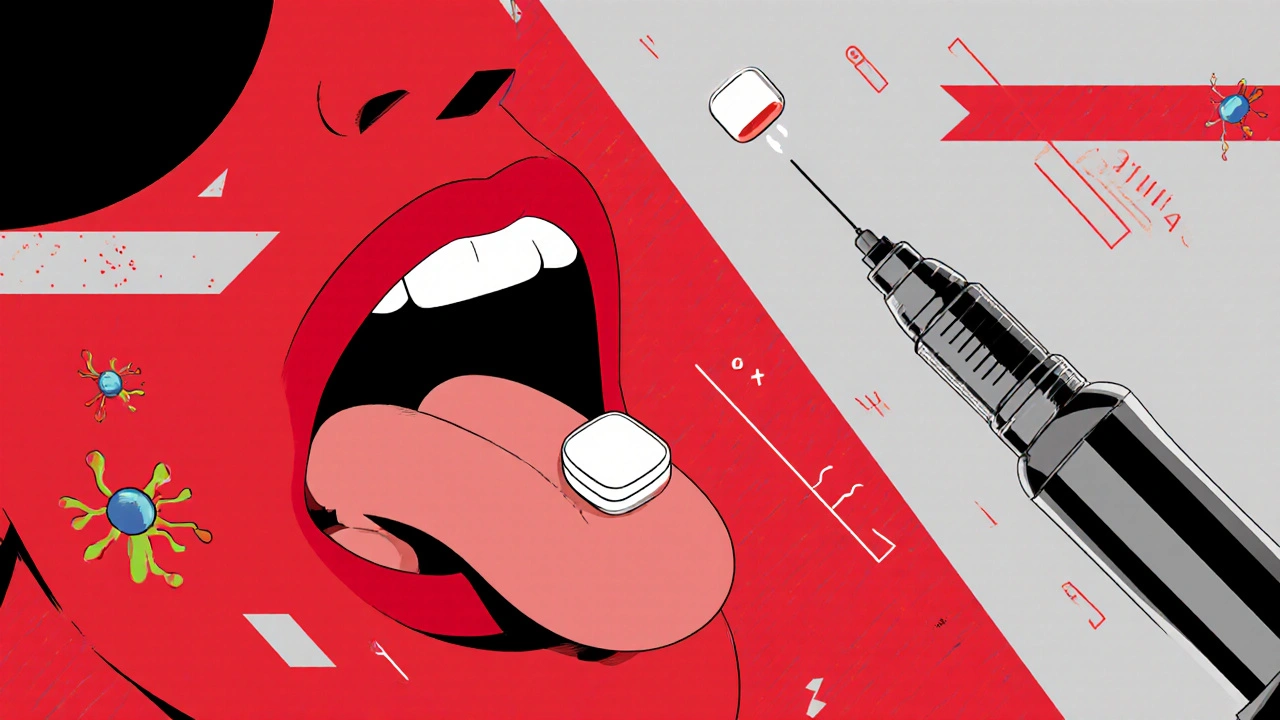
Maxalt is meant for acute migraine treatment—not prevention. If you get migraines with aura, nausea, or light sensitivity, this drug is one of the most studied options. It’s available as a tablet you swallow or a dissolving tablet you put under your tongue, which helps if you’re vomiting or can’t keep pills down. But it’s not for everyone. People with heart disease, uncontrolled high blood pressure, or a history of stroke shouldn’t take it. And if you’ve used other triptans like sumatriptan or zolmitriptan, you might already know how Maxalt compares: it works faster for some, lasts longer for others.
What makes Maxalt different isn’t just the drug itself—it’s how it fits into real-life migraine management. Many people try it after OTC meds fail. Others use it alongside preventive meds like beta blockers or antiseizure drugs. It’s also one of the few migraine treatments that’s been tested in teens and young adults, making it a go-to for families dealing with early-onset migraines. But misuse happens: taking it too often leads to rebound headaches, and mixing it with SSRIs or SNRIs can trigger serotonin syndrome—a rare but serious condition.
There’s a reason Maxalt shows up in so many of the posts below. It’s not just a pill. It’s part of a bigger picture: medication safety, drug interactions, how to track what works, and when to ask for help. You’ll find guides on how to avoid overdose, how to tell if your migraine is actually something else, and how to talk to your doctor about switching treatments. Some posts even compare Maxalt to other triptans or explain why generic rizatriptan might save you hundreds a year.
If you’ve ever sat in the dark wondering if this headache will end, or if you’re helping someone who has, this collection gives you the straight facts—no fluff, no marketing. Just what works, what doesn’t, and what you need to know before your next attack hits.