Sleep Hormone: How Melatonin Controls Your Rest and What You Need to Know
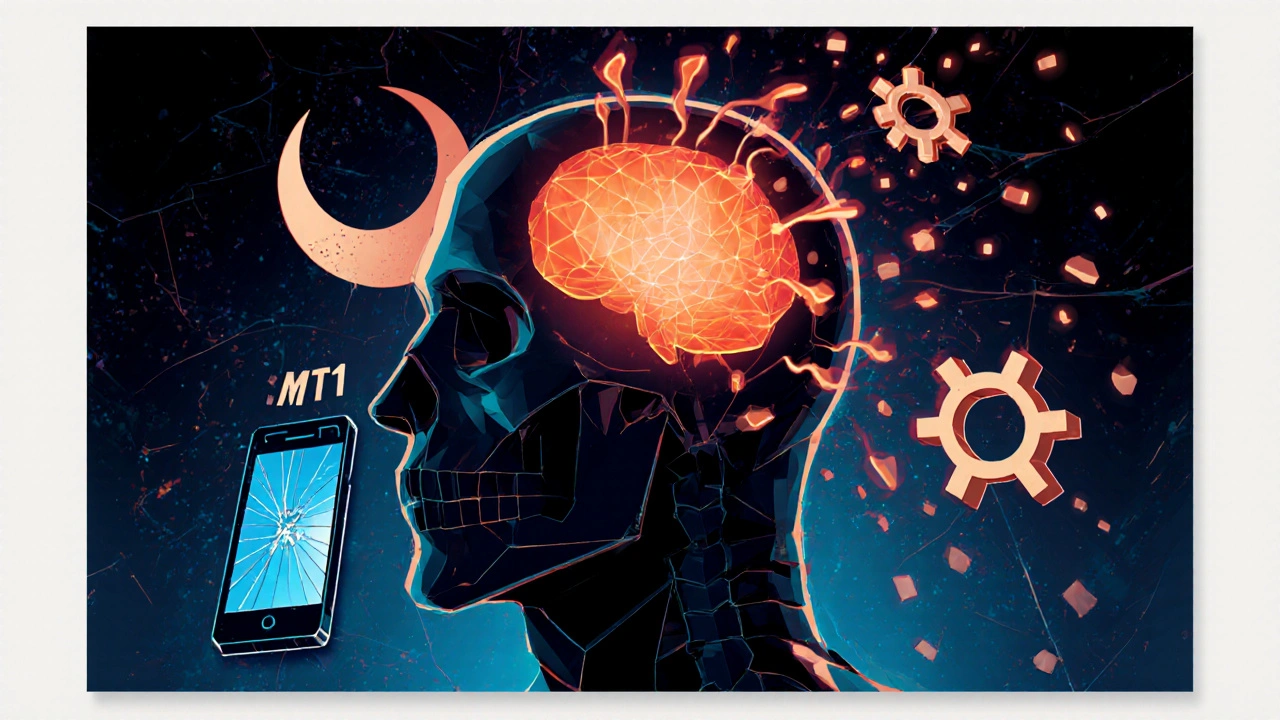
When your body prepares for sleep, it releases a natural chemical called melatonin, a hormone produced by the pineal gland that signals your brain it’s time to rest. Also known as the sleep hormone, it’s not a sedative—it’s a timing cue. Without it, your internal clock gets confused, leading to trouble falling asleep, waking up too early, or feeling tired all day. This isn’t just about feeling groggy. When melatonin levels are off, it can mess with your mood, immune system, and even how your body handles stress.
What throws off your melatonin? Light from phones and TVs at night is the biggest culprit. Your eyes pick up blue light and tell your brain to stop making melatonin—even if it’s midnight. Shift work, jet lag, and even aging can lower your natural production. Some people turn to sleep supplements, over-the-counter melatonin pills used to reset sleep cycles, but they’re not a magic fix. Taking them at the wrong time can make things worse. And while they help with jet lag or delayed sleep phase, they don’t fix underlying issues like anxiety or poor sleep habits.
There’s also a strong link between circadian rhythm, your body’s 24-hour internal clock that controls when you feel awake or sleepy and how your body processes medications. For example, sleep hormone levels affect how drugs like sedatives or painkillers work. That’s why timing matters—not just for sleep, but for treatment effectiveness. People taking medications for conditions like epilepsy, depression, or even high blood pressure often see side effects change based on their sleep schedule. If your melatonin rhythm is off, your meds might not work right—or could cause unexpected reactions.
You won’t find a single post here that says "take melatonin for better sleep." Instead, you’ll see real stories and science on how sleep disruption connects to everything from diabetes and heart health to medication side effects and chronic pain. One article explains how varenicline, a smoking cessation drug, causes vivid dreams and insomnia by interfering with natural sleep signals. Another shows how metformin, used for diabetes, can indirectly affect sleep by triggering nutrient deficiencies that disrupt rest. There’s even a guide on how food timing impacts how your body absorbs meds—because what you eat at night can change how melatonin works.
These aren’t random posts. They’re all tied together by one thing: your body’s rhythm. Whether it’s how a COPD inhaler affects nighttime breathing, why splitting pills can mess with drug absorption during sleep, or how gut health influences your ability to rest—everything links back to the sleep hormone and the clock it controls. You’ll learn what actually works, what’s overhyped, and how to spot when your sleep issues are a symptom of something deeper.