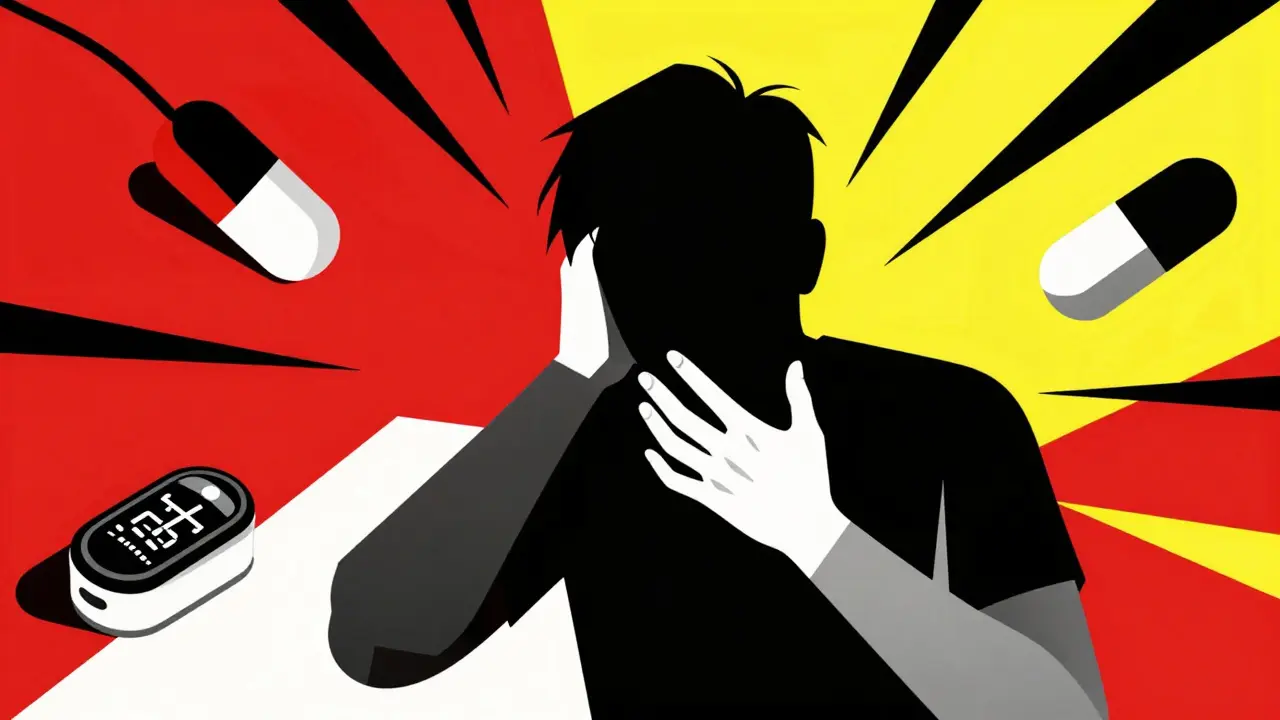
Imagine you just started a new prescription. You feel fine for the first few days. Then, out of nowhere, your heart starts racing, your skin breaks out in a strange rash, or you feel dizzy enough to fall over. Is it the flu? Stress? Or is it something more dangerous lurking between your medications?
This scenario plays out thousands of times every year. Drug interactions are situations where one medication affects the activity of another drug, food, supplement, or substance, potentially altering effectiveness, increasing side effects, or causing unexpected adverse reactions. They aren't just theoretical risks found in medical textbooks. According to the U.S. Food and Drug Administration (FDA), these interactions can make your drugs less effective, cause unexpected side effects, or dangerously amplify the action of a particular drug.
The stakes are high. The Centers for Disease Control and Prevention (CDC) reports that adverse drug reactions (ADRs) lead to approximately 1.3 million emergency department visits annually in the United States, with 350,000 resulting in hospitalization. Yet, many people wait too long to get help because they don't recognize the warning signs. Knowing exactly when to call 911, when to see a doctor within 24 hours, and when to monitor at home can literally save your life.
Red Flags: When to Call 911 Immediately
Not all drug interactions are created equal. Some develop slowly over weeks, while others strike fast and hard. If you suspect an interaction and experience any of the following symptoms, do not wait. Call 911 or go to the nearest emergency room immediately. These are signs of life-threatening conditions like anaphylaxis, severe serotonin syndrome, or cardiovascular collapse.
- Respiratory Distress: If you are struggling to breathe, wheezing, or if your oxygen saturation drops below 90% (measured by a pulse oximeter), this is a medical emergency. Severe anaphylactic reactions often present this way, occurring in 78% of such cases according to Mayo Clinic data.
- Swelling of the Face or Throat: Angioedema-swelling of the lips, tongue, or throat-can obstruct your airway completely within 15-20 minutes. This happens in about 42% of severe drug allergy cases. If your voice becomes hoarse or swallowing becomes difficult, act now.
- Cardiovascular Instability: A sudden drop in systolic blood pressure below 90 mmHg combined with a rapid heartbeat (tachycardia exceeding 120 beats per minute) indicates your heart is under severe stress. This meets the criteria for anaphylaxis as defined by the World Allergy Organization.
- Seizures or Loss of Consciousness: Generalized tonic-clonic seizures lasting longer than two minutes, or any loss of consciousness where you cannot be roused, require immediate intervention. For example, lidocaine toxicity can trigger seizures, requiring urgent care.
- Extreme Body Temperature Changes: A core temperature above 41.1°C (106°F) accompanied by muscle rigidity and agitation may signal severe serotonin syndrome. Conversely, a sudden inability to regulate body temperature can indicate neuroleptic malignant syndrome, especially if you take antipsychotic medications.
In these moments, every second counts. Do not try to drive yourself. Have someone stay with you while waiting for emergency services.
Yellow Flags: See a Doctor Within 24 Hours
Some symptoms are serious but not immediately fatal. However, ignoring them can lead to permanent organ damage or escalate into a crisis. If you experience these signs after starting a new medication or changing doses, contact your healthcare provider or visit an urgent care clinic within 24 hours.
| Symptom Category | Specific Signs | Potential Cause |
|---|---|---|
| Skin Reactions | Widespread maculopapular rash covering >30% of body; blistering; peeling skin | DRESS Syndrome (Drug Reaction with Eosinophilia and Systemic Symptoms); Stevens-Johnson Syndrome |
| Fever | Unexplained fever above 38.5°C (101.3°F) persisting for >48 hours | Drug-induced serum sickness; early-stage DRESS; antibiotic sensitivity |
| Blood Issues | Unusual bruising; bleeding gums; extreme fatigue; pale skin | Thrombocytopenia (low platelets); drug-induced anemia |
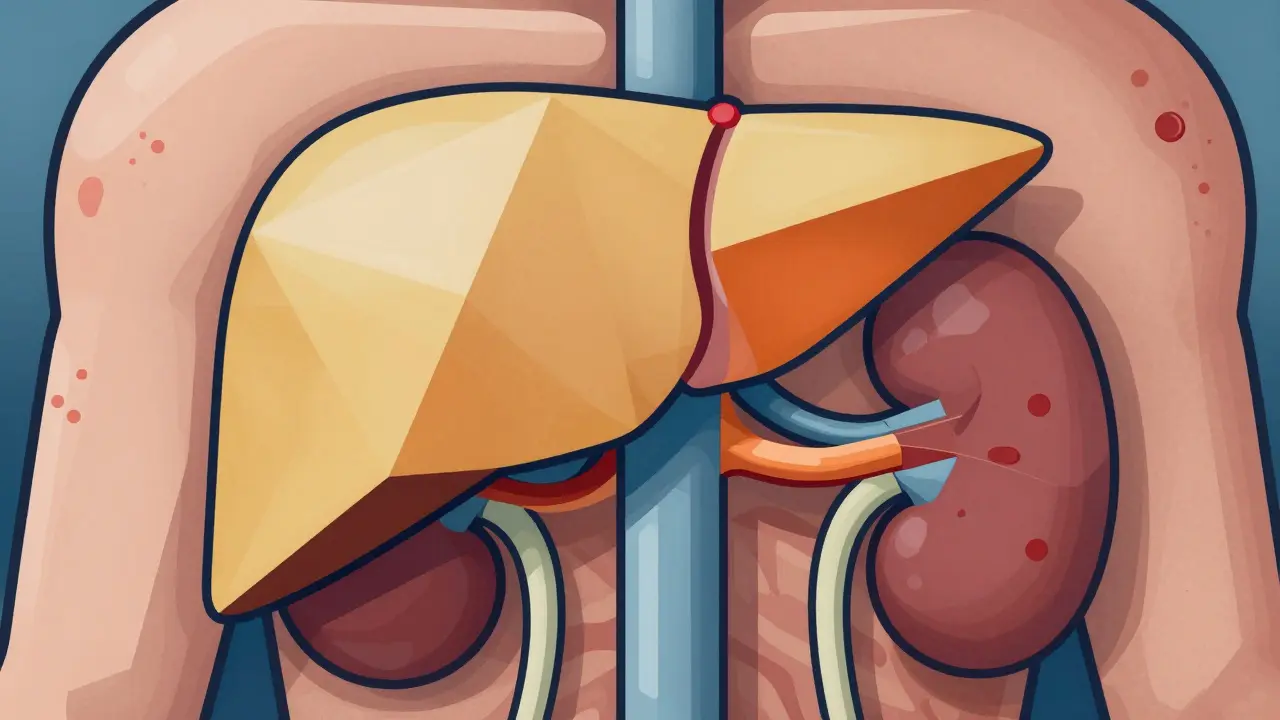
| Liver Stress | Yellowing of eyes/skin (jaundice); dark urine; severe abdominal pain on right side | Drug-induced liver injury (ALT levels >3x normal) |
| Kidney Function | Significantly reduced urine output; swelling in legs/ankles | Drug-induced nephritis; acute kidney injury |
For instance, a widespread rash might seem like a minor allergic reaction, but if it covers more than 30% of your body surface area, it could indicate DRESS syndrome. This rare but serious condition occurs in 1 in 1,000 to 1 in 10,000 medication exposures. Similarly, unexplained fever lasting more than two days while on antibiotics or anticonvulsants needs investigation to rule out serum sickness.
Hematological abnormalities are harder to spot without blood tests, but watch for easy bruising or bleeding, which can signal thrombocytopenia (platelet count below 100,000/μL). Liver issues often manifest as jaundice or dark urine, suggesting that alanine aminotransferase (ALT) levels have spiked significantly. Kidney problems may present as decreased urine output (below 0.5 mL/kg/hour for six hours), which accounts for a significant portion of acute kidney injury cases in hospitalized patients.
The "Gray Area": Mild Side Effects vs. Interactions
Here is where most people get confused. Many drugs cause mild side effects on their own-nausea, slight dizziness, or dry mouth. How do you know if it’s just a side effect or an interaction?
The key is timing and combination. If you start Drug A and feel nauseous, that’s likely a side effect. But if you’ve been taking Drug A for months with no issues, then add Drug B (or even a herbal supplement like St. John’s Wort), and suddenly feel terrible, suspect an interaction.
Common subtle signs include:
- Increased Sedation: Feeling unusually sleepy or confused when combining antihistamines, benzodiazepines, or opioids.
- Gastrointestinal Distress: Severe diarrhea or vomiting that prevents you from keeping fluids down, especially when combining NSAIDs with blood thinners or certain antibiotics.
- Mood Changes: Uncharacteristic anxiety, agitation, or restlessness, which could be early signs of serotonin syndrome if you’re on SSRIs and add other serotonergic agents.
A 2022 survey by the National Community Pharmacists Association found that 58% of patients waited more than 12 hours to seek help for suspected interactions despite experiencing symptoms like severe dizziness. Don’t be part of that statistic. If symptoms are new, worsening, or interfering with daily life, check in with a professional.
High-Risk Medications to Watch Closely
Not all drugs carry the same risk. Dr. David Juurlink, head of clinical pharmacology at Toronto's Sunnybrook Hospital, emphasizes that the most dangerous interactions involve narrow therapeutic index drugs. These are medications where a small change in blood concentration can be life-threatening.
Key examples include:
- Warfarin: A blood thinner heavily affected by vitamin K intake and many antibiotics. Even green leafy vegetables can alter its effectiveness.
- Digoxin: Used for heart failure; interactions can lead to toxic arrhythmias.
- Phenytoin: An anticonvulsant with complex metabolism that interacts with numerous other drugs.
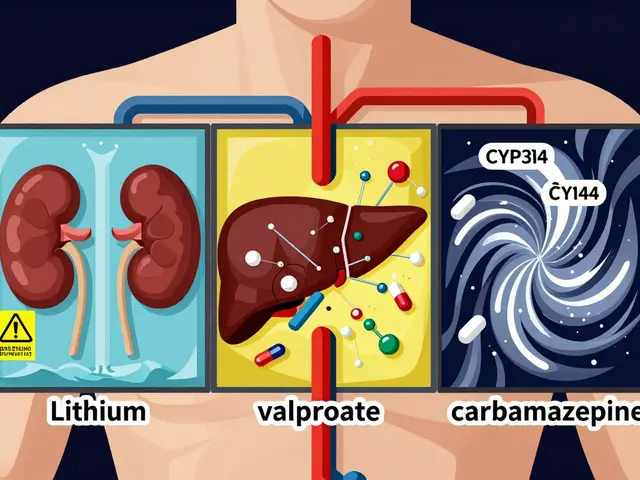
- Lithium: Mood stabilizer sensitive to hydration status and NSAID use.
- SSRIs/SNRIs: Antidepressants that can interact with painkillers (like tramadol), migraine meds (triptans), and supplements (St. John’s Wort) to cause serotonin syndrome.
If you are on any of these, you must be extra vigilant. Inform every doctor, dentist, and pharmacist about your full medication list before receiving any new treatment.
Practical Steps: What to Do When You Suspect an Interaction
Panic helps no one. Follow the STOP protocol recommended by patient education materials from Kaiser Permanente:
- Stop: Stop taking the suspected new medication or supplement immediately. Do not stop chronic life-saving medications (like insulin or heart meds) without consulting a doctor first, but hold off on non-essential new additions.
- Telephone: Call your healthcare provider, pharmacist, or poison control center (1-800-222-1222 in the US). Poison control specialists are experts in toxicology and can guide you on whether you need ER care or can monitor at home. In fact, 89% of users who contacted poison control within one hour avoided emergency department visits.
- Observe: Monitor your symptoms closely. Note the time they started, what you were doing, and any changes. Take photos of rashes if possible.
- Present: Bring all medication containers-including prescriptions, over-the-counter drugs, vitamins, and herbs-to your medical appointment. This allows providers to run accurate interaction checks.
Using tools like the FDA-approved drug interaction checker on Drugs.com or Lexicomp can help, but remember: these screens cover 24,000+ medications, yet they require accurate input. Herbal supplements account for 18% of serious interactions, so never skip listing those.
Prevention: Your Best Defense
Prevention is always better than cure. With polypharmacy affecting 45% of adults over 65, managing multiple medications is a common challenge. Here is how to stay safe:
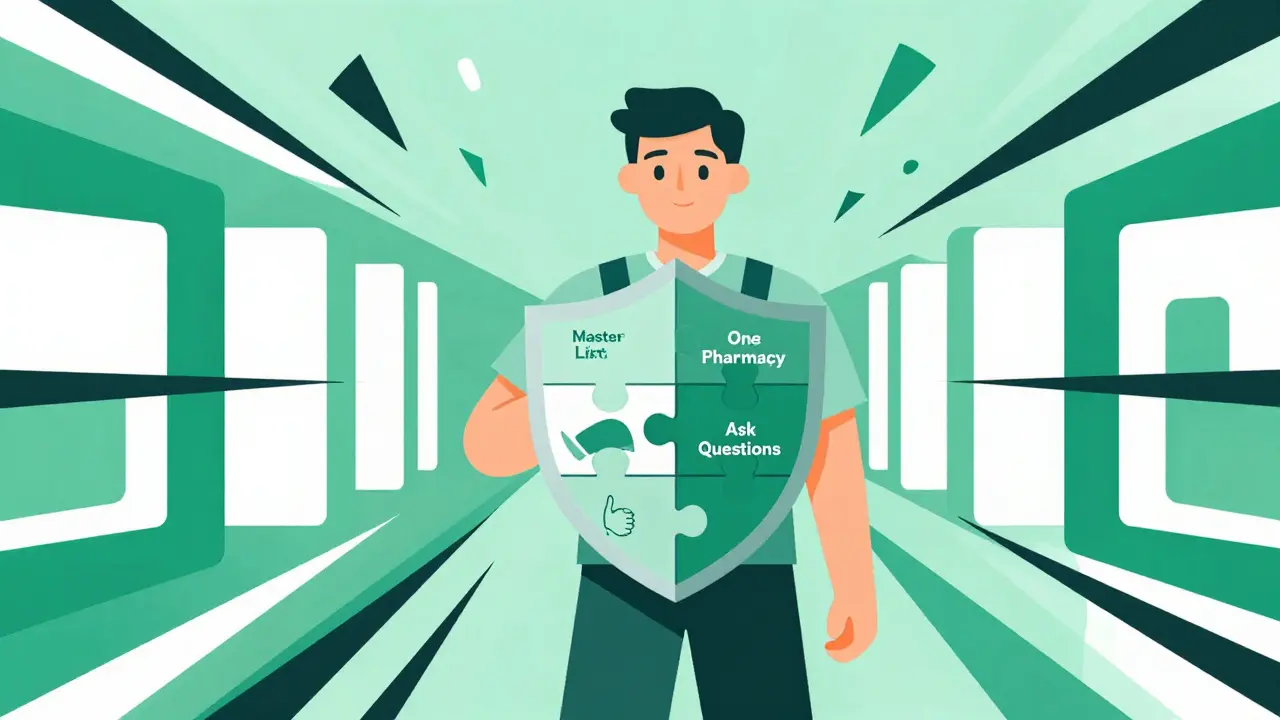
- Maintain a Master List: Keep an updated list of all medications, doses, and prescribers. Share it with every healthcare provider you see.
- Use One Pharmacy: Filling all prescriptions at one pharmacy allows the pharmacist’s software to flag potential interactions automatically.
- Ask Questions: Before leaving the pharmacy, ask: “Are there any foods or other drugs I should avoid?” and “What are the signs of a serious reaction?”
- Be Wary of OTCs: Over-the-counter pain relievers, cold medicines, and sleep aids can interact with prescriptions. Acetaminophen, for example, can strain the liver if combined with other hepatotoxic drugs.
- Regular Reviews: Schedule a “medication review” with your doctor or pharmacist at least once a year to prune unnecessary drugs.
Dr. Michael Wolf’s research highlights that 68% of patients couldn’t correctly identify serious interaction symptoms from medication leaflets. So, don’t rely solely on the paper insert. Engage in conversation with your care team.
How quickly do drug interactions happen?
Timing varies widely. Some interactions, like anaphylaxis, occur within minutes to hours. Others, like liver damage or blood thinning issues, may develop over days or weeks. Serotonin syndrome typically appears within 24 hours of starting or increasing a dose. Always monitor for new symptoms for at least a week after starting any new medication.
Can herbal supplements cause drug interactions?
Yes, absolutely. Herbal supplements are not regulated as strictly as pharmaceuticals and can have potent biological effects. St. John’s Wort reduces the effectiveness of birth control and antidepressants. Garlic and ginseng can increase bleeding risk when taken with warfarin. Always tell your doctor about any supplements you take.
What is serotonin syndrome and why is it dangerous?
Serotonin syndrome is a potentially life-threatening condition caused by excessive serotonin activity in the brain. It often results from combining SSRIs with other serotonergic drugs like tramadol, triptans, or MAOIs. Symptoms include agitation, confusion, rapid heart rate, high blood pressure, dilated pupils, muscle rigidity, and tremors. Severe cases can lead to seizures, irregular heartbeat, and unconsciousness. Immediate medical attention is required.
Should I stop my medication if I suspect an interaction?
It depends on the medication. If it’s a new, non-essential drug, stopping it temporarily while seeking advice is reasonable. However, never abruptly stop chronic medications like beta-blockers, benzodiazepines, or antidepressants without medical guidance, as withdrawal can be dangerous. Contact your provider or poison control for specific instructions.
How can I check for drug interactions myself?
You can use reputable online databases like Drugs.com, WebMD, or the FDA’s resources. Enter all your medications, including OTC drugs and supplements. Look for severity ratings (Major, Moderate, Minor). However, these tools are screening aids, not diagnostic replacements. Always confirm concerns with a pharmacist or doctor, as individual health factors matter.


omg this is so scary but also true i feel like everyone just ignores the warnings until its too late. my aunt took some random herbal tea with her blood pressure meds and ended up in the er for a week. people think natural means safe but thats total bs. you really need to read every single label or you are playing russian roulette with your health. it makes me so mad that doctors dont tell us enough about this stuff.
May 31Adelaide Motata