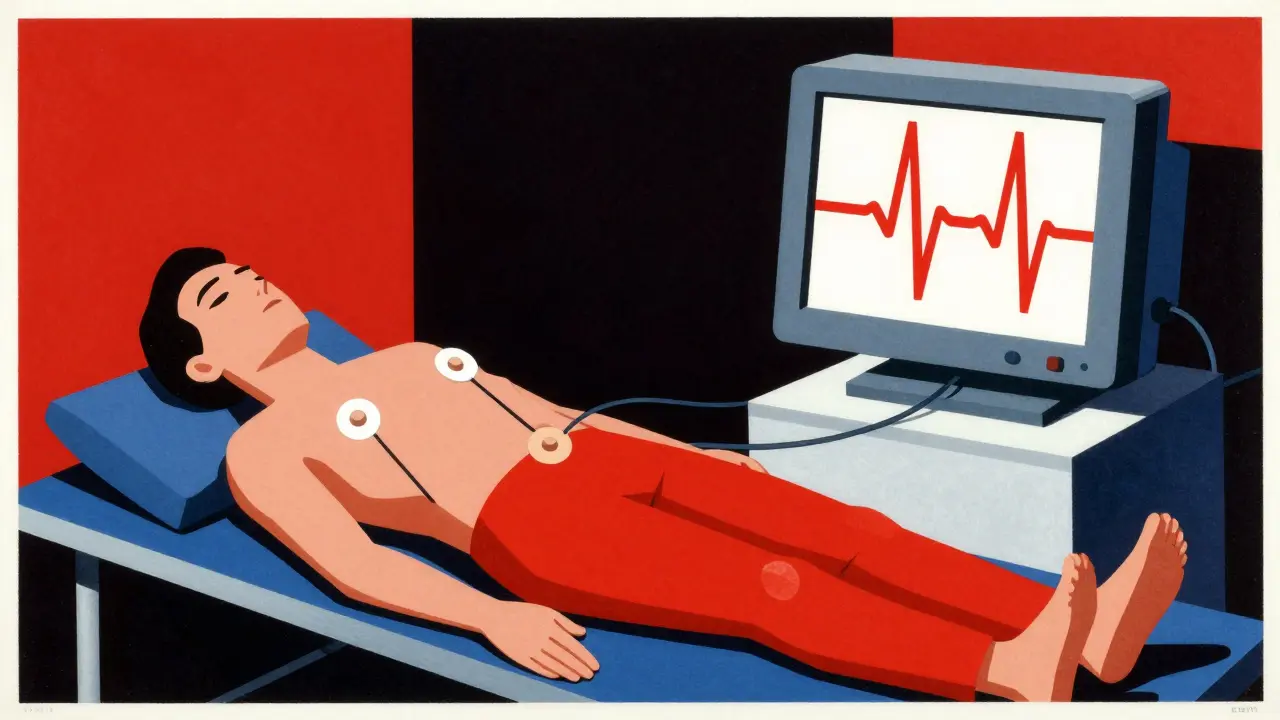
You wake up feeling fine, but your doctor notices something off during a routine checkup. Maybe your cholesterol is high, or perhaps you feel a faint flutter when you climb stairs. This is where Electrocardiograms, commonly known as ECGs or EKGs, become the frontline guardians of your heart health. They are deceptively simple tools-sticky patches connected to a wire-that have saved millions of lives since Willem Einthoven first developed them in 1903. Today, these tests have evolved into complex diagnostic powerhouses that can catch problems hiding deep in your arteries.
Many people fear the word "stress test" because it sounds grueling, but it’s often less intimidating than you imagine. Understanding what actually happens during these procedures removes the anxiety that often stops people from getting diagnosed early. Whether you are being screened for coronary artery disease or monitoring a heart condition, knowing the mechanics of the exam helps you prepare better.
Key Takeaways
- Standard ECGs capture your heart's electrical rhythm in minutes and are used to detect irregularities or past heart attacks.
- Stress tests evaluate how your heart performs under physical or chemical pressure, revealing issues resting tests miss.
- Preparation matters: avoiding caffeine for 24 hours and wearing comfortable clothes ensures accurate results.
- Cost varies widely: basic exams are cheap, while nuclear stress tests can cost over $900 without insurance coverage details.
- New technology like AI is improving accuracy by spotting subtle patterns human eyes might overlook.
The Basics of the Electrocardiogram
At its core, the electrocardiogram records the heart's electrical activity through electrodes placed on the chest, arms, and legs. Think of your heart as a pump powered by electricity. Every time your heartbeat fires, a tiny electric impulse travels through your body. The ECG machine picks this up and prints it out as a wavy line. That squiggly graph isn't random noise; it tells a cardiologist exactly how fast your heart is beating and if the electricity is flowing the right way through the muscle walls.
A standard resting ECG takes about 3 to 5 minutes. It’s non-invasive, meaning no needles enter your bloodstream, and there’s no radiation involved. During the test, the technician cleans your skin to remove oils that interfere with signal pickup, then places adhesive pads on your limbs and torso. While you lie still, the machine generates the tracing. For decades, doctors relied on this single snapshot to diagnose everything from arrhythmias to thickening of the heart muscle.
However, a resting ECG has limitations. Your heart behaves differently when idle versus when working hard. A silent blockage might allow enough blood to flow while you're sitting calmly, but when you start running to catch a bus, that same spot could choke off oxygen. This limitation is why we moved beyond the basic ECG to more advanced stress testing protocols.
Types of Cardiac Stress Tests
If your doctor orders a Cardiac Stress Test, you are likely being checked for coronary artery disease (CAD). These tests reveal how much workload your heart can handle before blood flow gets restricted. There are generally two main ways doctors push your heart into gear: exercise and medication.
| Type | Sensitivity | Approximate Cost | Radiation Risk |
|---|---|---|---|
| Exercise ECG (Bruce Protocol) | 68% | $200 - $400 | None |
| Stress Echocardiogram | 82% | $514 | None |
| Nuclear Stress Test | 89% | $946 | Low-Moderate (9-12 mSv) |
The most common method is the exercise stress test. You walk on a treadmill while your heart rate is monitored via the Bruce Protocol. This starts at 1.7 miles per hour with a 10% incline. Every three minutes, the speed and steepness increase until your heart reaches a target rate calculated as 220 minus your age. If you hit that target without symptoms or ECG changes, you usually pass.
Not everyone can walk to exhaustion. If you have severe arthritis, back pain, or balance issues, doctors switch to a chemical stress test. Instead of moving, you receive medication intravenously. Drugs like adenosine or dipyridamole mimic the effect of exercise by dilating blood vessels elsewhere in the body, forcing the heart to work harder. While effective, patients sometimes report feeling strange sensations during this process, such as shortness of breath or facial flushing. It feels intense, but it lasts only a few minutes.
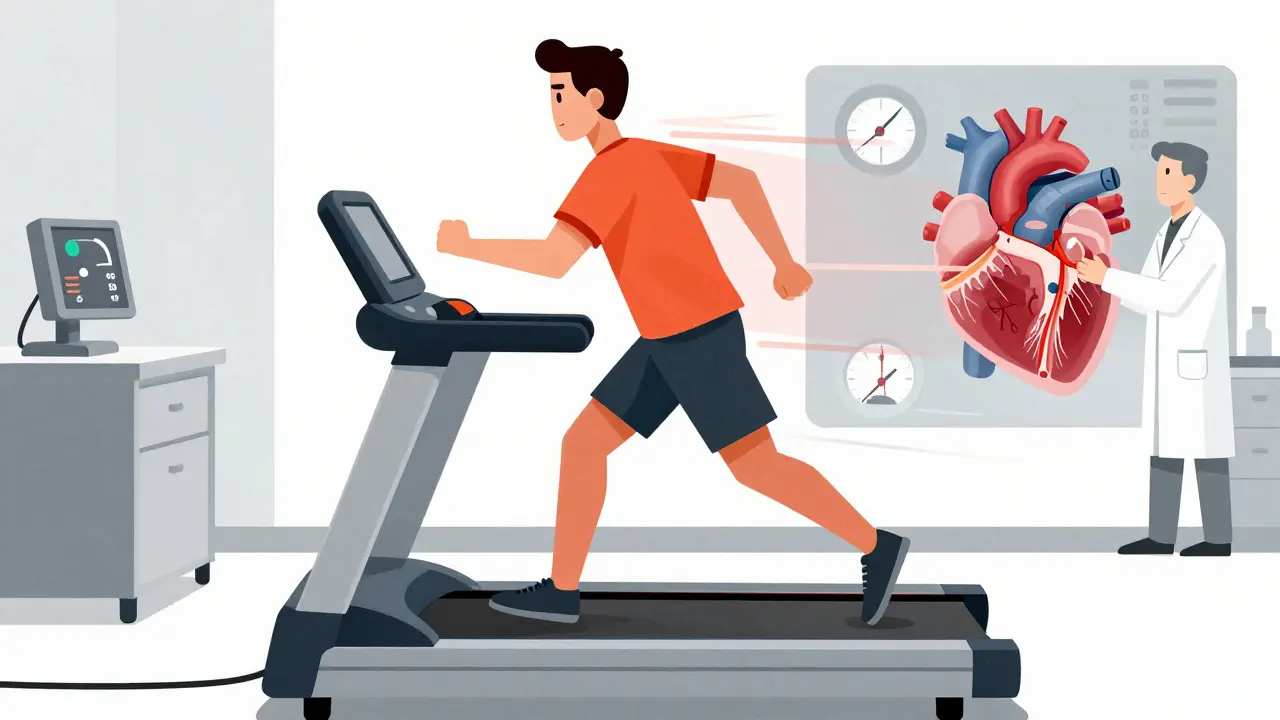
How Accurate Are These Diagnostics?
No test is perfect. A meta-analysis published in the Cleveland Clinic Journal of Medicine analyzed over 24,000 patients across 147 studies to determine diagnostic power. Their findings were clear: the standard ECG stress test catches about 68% of coronary artery cases but misses roughly 32%. This leads to a concept called "false negatives," where a patient walks away thinking their heart is fine even though a blockage exists.
This gap is especially concerning for women. Dr. Emily Chen of Johns Hopkins University notes that premenopausal women have different vascular physiology. Their smaller vessels mean a standard test might not show ischemia even when significant disease is present. To combat this, imaging-enhanced methods like stress echocardiography are increasingly recommended. By combining ultrasound images with the stress component, doctors can see wall motion abnormalities directly. This boosts specificity to around 88%, drastically reducing false alarms compared to older methods.
Despite the improved accuracy of newer tech, the standard treadmill ECG remains a staple because of its simplicity and zero radiation risk. Radiation exposure is a valid concern in nuclear stress tests, which involve injecting radioactive tracers like thallium-201. Each test delivers roughly 9 to 12 millisieverts (mSv) of radiation, similar to 3-4 years of natural background exposure. While the FDA requires dose optimization to lower this number, some patients prefer to avoid radiation altogether when possible.
Preparing for Your Appointment
Walking into a cardiology lab can be nerve-wracking, but preparation makes a huge difference in result reliability. One of the most critical rules is avoiding caffeine completely for at least 24 hours prior to testing. Caffeine affects heart rate and interacts negatively with the pharmacological agents used in chemical stress tests. This means skipping your morning coffee, tea, sodas, and energy drinks the day before.
Clothing choices also play a role. Since you need to run or perform arm exercises in some scenarios, wear loose clothing that doesn't restrict movement. You will likely change into a hospital gown. Bring a list of your current medications to the visit, as some beta-blockers might skew results if taken immediately before the procedure. Your doctor will advise on whether to skip these doses temporarily.
During the appointment, the technician will attach wires to your bare chest. Skin preparation involves shaving small areas if necessary to ensure the sensors stick properly. Once attached, you won't feel the monitoring equipment interfering with your movement. Most facilities provide immediate preliminary results before you leave, though a full physician report usually takes longer. About 85% of centers give you an idea of how you performed right then and there.
Interpreting Results and Next Steps
When you get the paperwork back, terms like ST-segment depression or QRS duration might look like Greek. The most important marker during exercise testing is actually how long you lasted. Research indicates that each additional minute of exercise is associated with a 12% reduction in cardiac event risk. This functional capacity is often a better predictor of long-term health than the electrical tracing alone.
If the test shows signs of blocked arteries, your doctor might recommend further investigation. Options range from coronary CT angiography to invasive catheterization. Interestingly, economic studies suggest no significant difference in healthcare costs over three years between choosing a CT scan or functional stress testing first. Both paths lead to similar long-term spending, so the choice often depends on local availability and your specific symptom profile.
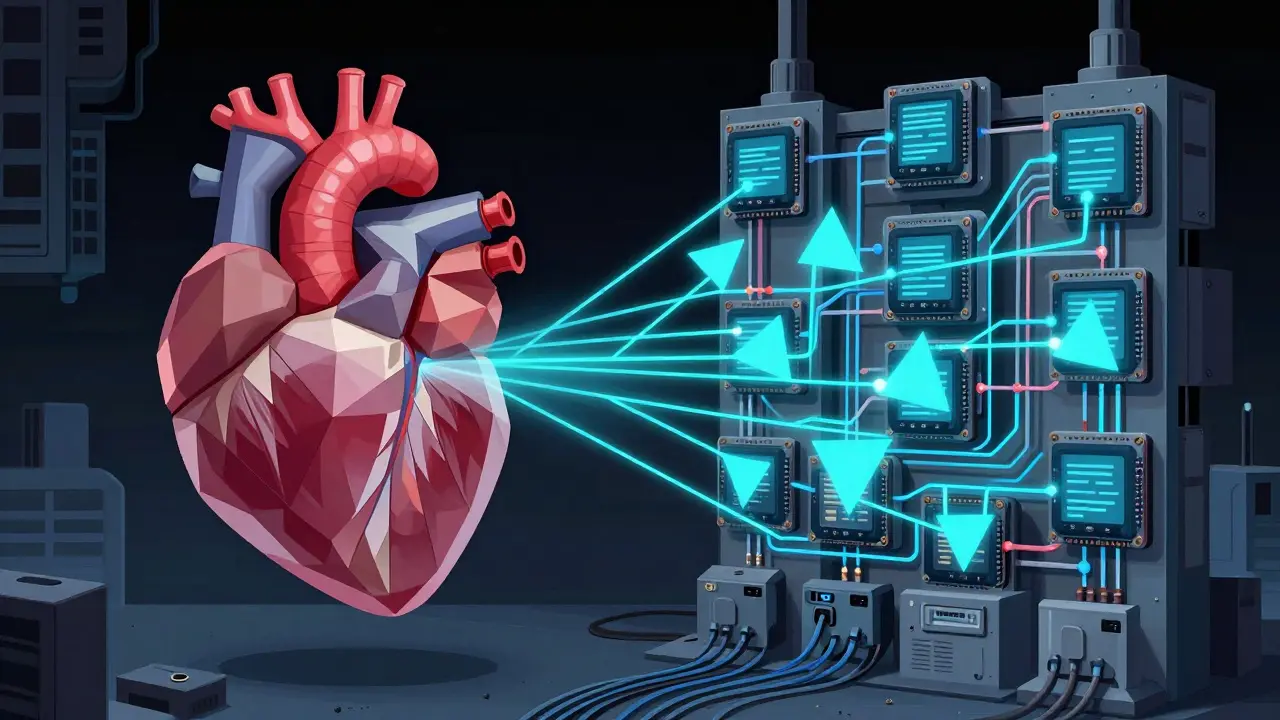
Technology continues to shift how we interpret these numbers. In 2023, the American Heart Association highlighted machine learning algorithms that improve interpretation accuracy by up to 22%. These digital assistants help doctors spot anomalies faster and reduce human error. As artificial intelligence becomes more integrated into cardiology software, the diagnostic certainty of these routine tests will continue to climb, offering more personalized care plans.
Frequently Asked Questions
Is an ECG painful?
No, a resting ECG is completely painless. It only involves sticking adhesive electrodes to your skin. You may feel slight discomfort when the stickers are peeled off, but there is no needle or pain during the actual recording.
Do I need to fast before a stress test?
Fasting requirements depend on the facility, but it is generally safer to avoid heavy meals for 2-3 hours prior. The most critical rule is avoiding caffeine for 24 hours to prevent interactions with stress medications.
How long does a stress test take?
The actual exercise portion typically lasts 10-15 minutes. However, total appointment time including setup, recovery monitoring, and cooling down is usually 30-60 minutes depending on the protocol used.
Can I drive myself home after?
For a standard exercise ECG, yes. If you underwent a chemical stress test involving IV drugs, some clinics prefer you wait briefly or have someone with you, though driving restrictions are less common than with sedation.
What if I can't run on the treadmill?
Doctors offer alternatives like a hand grip dynamometer or a pharmacological stress test using medication to simulate the exertion response without requiring physical movement.



The caffeine restriction is absolute.
March 31Molly O'Donnell