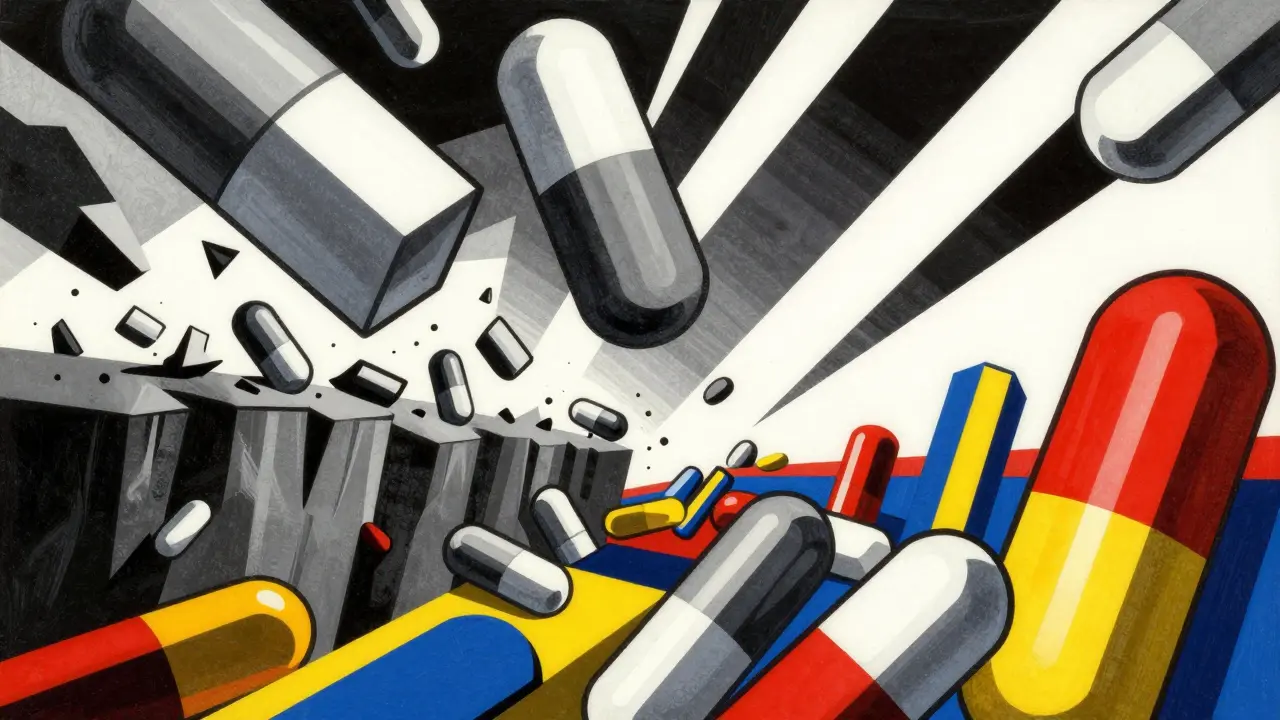
The pharmaceutical world is standing on the edge of a massive shift. Between 2025 and 2030, blockbuster biologic drugs worth over $200 billion in annual global sales will lose their patent protection. This event, known as the "patent cliff," opens the door for biosimilars, which are biologic medical products highly similar to an already approved reference biologic product, with no clinically meaningful differences in terms of safety, purity, and potency. For patients and healthcare systems, this means lower costs. For the industry, it means a fierce battle for market share.
You might be wondering how these new versions differ from the generics you know. Unlike small-molecule generics that are exact chemical copies, biosimilars are complex proteins produced in living cells. They cannot be identical, but they must be highly similar. As we move into mid-2026, several major biosimilars have already entered the market, while others are lined up for imminent release. Understanding this landscape helps you navigate formulary changes, insurance decisions, and treatment options.
What Is the Current State of Biosimilar Adoption?
We are seeing unprecedented growth in this sector. The global biosimilars market reached $12.7 billion in 2024, a 28% jump from the previous year. By 2030, analysts project this figure will hit $80 billion. However, adoption rates vary wildly depending on where you live and what condition you are treating.
In Europe, biosimilar penetration exceeds 70% for some products because reimbursement policies favor them. In the United States, adoption lags at 30-40%. Why the difference? It often comes down to complex rebate structures and "patent thickets"-strategies originator companies use to delay competition. For example, after Humira (adalimumab) lost its patents in 2023, twelve FDA-approved biosimilar versions captured 80% of new prescriptions within 18 months, according to IQVIA data. This rapid switch shows that when barriers are removed, providers and patients readily accept biosimilars.
Yet, challenges remain. A November 2024 survey by the Cancer Support Community found that while 78% of respondents were happy with cost savings, 34% felt confused about substitution policies. If you are a patient, you need to ask your doctor or pharmacist whether switching to a biosimilar is safe and covered by your specific plan.
Key Upcoming Entries: Eylea and Beyond
The most immediate action is happening in ophthalmology. Eylea (aflibercept), used to treat wet age-related macular degeneration, saw its first wave of biosimilars enter the U.S. market in late 2024. Biocon Biologics' Yesafili and Samsung Bioepis/Biogen's Opuviz received FDA approval in June and September 2024, respectively. By Q1 2025, these biosimilars had already reached 12% market penetration.
This is significant because Eylea generated $5.9 billion in U.S. sales in 2023 alone. With multiple competitors now active, prices are expected to drop significantly. Patients should check with their eye specialists if a biosimilar version is available on their formulary. The clinical data supports equivalence, but individual responses can vary, so monitoring remains essential.
Another key player is Cosentyx (secukinumab), used for psoriasis and arthritis. Samsung Bioepis received a positive opinion from the European Medicines Agency's CHMP in October 2025, targeting a 2026 EU launch. In the U.S., patent expiration isn't until 2029, but authorized biosimilars may appear earlier through strategic partnerships, like Regeneron's deal with Alvotech.
The Big One: Keytruda and the Oncology Challenge
If there is one drug that defines the next decade of biosimilars, it is Keytruda (pembrolizumab). Merck's blockbuster immunotherapy generated $25.5 billion in sales in 2024. Its primary patent expires in 2028, making it the most lucrative target for biosimilar developers. Fourteen companies, including Coherus BioSciences, are currently conducting Phase 3 trials.
Oncology biosimilars face higher hurdles than autoimmune drugs. These treatments often work in combination with chemotherapy, requiring precise molecular matching. For instance, pembrolizumab biosimilars must match the exact glycosylation patterns of the original antibody to maintain efficacy. Any minor structural difference could impact how the immune system responds to cancer cells.
Dr. Mark McClellan, Director of the Duke-Margolis Center for Health Policy, warned in March 2025 about "therapeutic substitution risks with complex oncology biologics." While early data looks promising, doctors will likely monitor patients closely during the transition period. Expect aggressive marketing from both Merck and biosimilar makers as they vie for hospital formularies starting in 2028.
| Reference Product | Therapeutic Area | U.S. Patent Expiration | 2024 Sales (Est.) | Biosimilar Status |
|---|---|---|---|---|
| Eylea (aflibercept) | Ophthalmology | 2025 | $5.9B | Approved & Launched (2024) |
| Keytruda (pembrolizumab) | Oncology | 2028 | $25.5B | Phase 3 Trials (14 candidates) |
| Cosentyx (secukinumab) | Dermatology/Rheumatology | 2029 | $5.2B | EU Launch 2026; US Pending |
| Enbrel (etanercept) | Rheumatology | 2023 (Expired) | $1.2B | High Penetration (>60%) |

Why Do Prices Drop, and How Much Can You Save?
The primary value proposition of biosimilars is cost savings. They typically launch at a 15-35% discount to the reference product. Over the next decade, the RAND Corporation projects these savings could reach $250 billion for the U.S. healthcare system. But why does the price fall?
Competition drives it down. When multiple manufacturers enter the market, they undercut each other to gain formulary placement. Sandoz’s Enbrel biosimilar launched at a 35% discount in 2023. Pfizer’s Ibrance generic equivalents are expected to debut at 20-25% discounts. As more players join, margins compress further.
However, savings don’t always reach the patient directly due to pharmacy benefit manager (PBM) rebates. Medicare Part B’s Average Sales Price (ASP) reimbursement methodology creates perverse incentives where providers sometimes profit more from higher-priced reference products. This contributes to an 18-month lag between approval and meaningful market penetration, according to the Medicare Payment Advisory Commission.
To maximize savings, health systems are implementing mandatory substitution protocols. Mass General Brigham increased biosimilar utilization from 12% to 68% for G-CSF products after such a policy. Kaiser Permanente implemented mandatory substitution for all new filgrastim prescriptions in 2024. If you are self-paying, ask your provider if a biosimilar option is available-it could save you hundreds per month.
Regulatory Hurdles and the "Patent Dance"
Getting a biosimilar approved is not just about science; it’s about law. The FDA requires extensive analytical characterization, nonclinical studies, and clinical pharmacology data under the 351(k) pathway. Review takes 12-18 months after submission. Manufacturers must also comply with Current Good Manufacturing Practices (cGMP), often investing $150-$250 million per product.
But the real bottleneck is litigation. Originator companies file dozens of patents to create "thickets" around their drugs. Merck holds 237 patents for Keytruda with staggered expirations through 2035. Bristol Myers Squibb secured pediatric exclusivity extensions pushing Eliquis protection to 2029. Dr. Janet Woodcock, former FDA Acting Commissioner, cautioned in September 2024 about "the dangerous precedent of patent settlements delaying biosimilar entry," citing the 2020 Eliquis litigation that postponed competition by four years.
The FDA is trying to streamline this process. The January 2025 final rule on "Purple Book Modernization" requires real-time patent listing updates, aiming to reduce the "patent dance" that delayed Humira biosimilars by nine years. Additionally, the 2025 draft guidance on "Analytical Similarity for Highly Complex Biologics" seeks to speed up approvals for next-generation molecules like antibody-drug conjugates.
What Should Patients and Providers Do Now?
If you are taking a biologic medication, here are practical steps to prepare for the biosimilar wave:
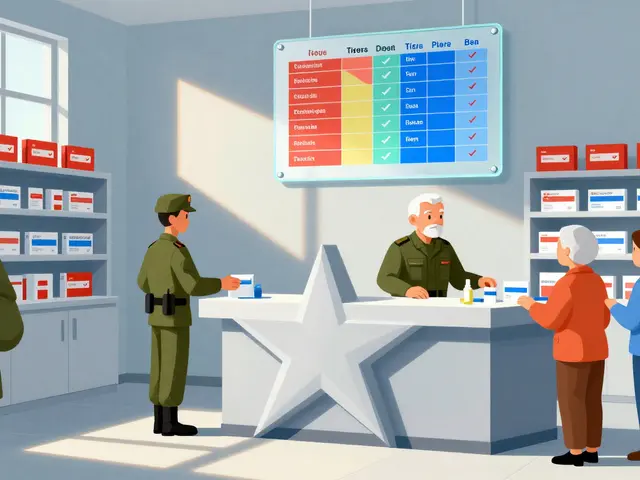
- Check Your Formulary: Log into your insurance portal or call member services. Ask if biosimilars for your current drug are listed as preferred tiers.
- Talk to Your Doctor: Discuss any concerns about switching. While clinical data supports equivalence, some patients report confusion or rare immune reactions when switching between versions, as noted by Dr. Richard Pazdur in the Journal of Clinical Oncology.
- Monitor Side Effects: If you switch, keep a log of any new symptoms for the first few weeks. Report them to your healthcare provider immediately.
- Understand Substitution Laws: In some states, pharmacists can automatically substitute biosimilars unless the doctor specifies "dispense as written." Know your rights.
For providers, updating electronic health records with biosimilar substitution protocols takes 6-12 months. Start planning now to ensure smooth transitions when new products launch. Specialty pharmacists at CVS Caremark reported a 22% reduction in prior authorization denials for biosimilars in Q2 2025, suggesting administrative friction is easing.
Long-Term Outlook: Will Biosimilars Dominate?
Forecasts vary. SVB Leerink projects biosimilars will capture 65% of market share within 24 months of entry for patent-expiring drugs. Evercore ISI is more conservative, estimating 45% due to originator "product hopping" strategies-where companies reformulate drugs to reset patents.
Goldman Sachs predicts biosimilars will capture 75% of expiring blockbuster revenue by 2035. Conversely, BMO Capital Markets warns that next-generation biologics with novel mechanisms may limit biosimilar impact to 55% market share. The Congressional Budget Office estimates Medicare savings of $51 billion from 2026-2035, contingent on resolving reimbursement disincentives.
One thing is clear: the era of high-cost biologics without competition is ending. As more patents expire and regulatory pathways mature, biosimilars will become the norm rather than the exception. Staying informed empowers you to make better healthcare decisions in this evolving landscape.
Are biosimilars as safe and effective as the original biologic drugs?
Yes. The FDA requires rigorous testing to demonstrate that biosimilars have no clinically meaningful differences in safety, purity, and potency compared to the reference product. Thousands of studies support their equivalence, though individual patient responses can vary slightly.
When will Keytruda biosimilars be available in the U.S.?
The primary patent for Keytruda expires in 2028. Multiple companies are currently in Phase 3 trials, so expect the first approvals and market entries around 2028-2029, assuming no legal delays.
Can my pharmacist automatically switch me to a biosimilar?
It depends on state laws and whether the biosimilar is designated as "interchangeable." If interchangeable, pharmacists can often substitute without consulting the prescriber. If not, your doctor must approve the switch. Check with your local pharmacy for specific rules.
How much cheaper are biosimilars compared to brand-name biologics?
Initially, biosimilars launch at a 15-35% discount. As more competitors enter the market, prices can drop further, sometimes exceeding 50% savings. The actual out-of-pocket cost depends on your insurance plan and formulary tier.
Why do some doctors hesitate to prescribe biosimilars?
Some physicians prefer sticking with familiar reference products due to extensive long-term data. Others worry about liability if a patient has an adverse reaction after switching. However, as real-world evidence grows and hospital formularies mandate biosimilar use, this hesitation is decreasing.