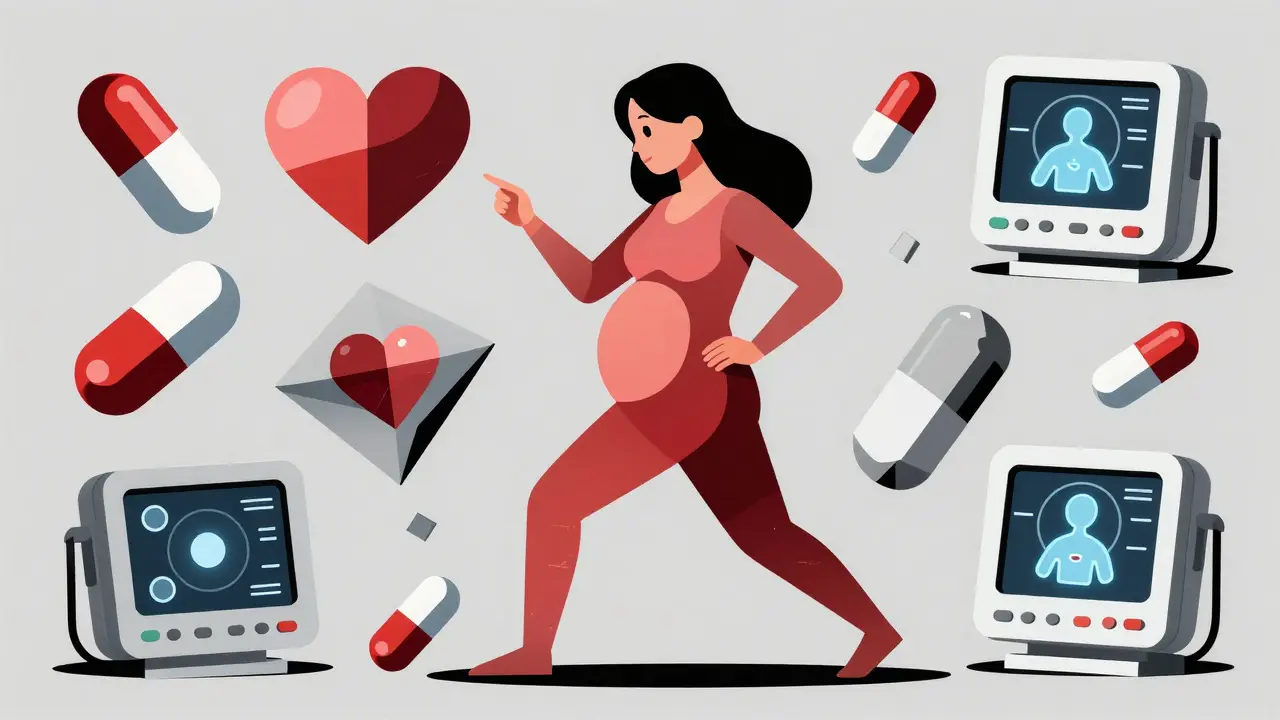
When a woman is pregnant and struggling with chronic pain, anxiety, or seizures, the question isn’t just gabapentin pregnancy safety-it’s whether the relief she needs is worth the potential risk to her baby. Gabapentin and pregabalin, two drugs commonly prescribed for nerve pain, fibromyalgia, and epilepsy, have become more popular during pregnancy than ever before. But the data is complicated. Some studies say the risk is low. Others point to real, measurable dangers. And for doctors and patients trying to make a decision, that uncertainty can be paralyzing.
What Are Gabapentinoids, and Why Are They Used in Pregnancy?
Gabapentin and pregabalin are not traditional painkillers like opioids or NSAIDs. They’re GABA analogs-drugs that mimic the brain’s calming neurotransmitter. Originally designed for seizures, they’re now widely used for nerve pain, especially when other treatments fail. In pregnancy, that often means women with severe diabetic neuropathy, postherpetic neuralgia, or chronic back pain who can’t take ibuprofen or opioids.
Between 2000 and 2014, prescriptions for gabapentin in pregnant women in the U.S. jumped nearly 20-fold. By 2023, about 4.2% of all pregnancies involved at least one gabapentinoid prescription. Most of these cases weren’t for epilepsy-they were for pain. That’s important. When a drug is used for pain instead of seizures, the risk-benefit calculation changes. You’re not treating a life-threatening condition. You’re improving quality of life. Is that enough to justify potential harm?
The Big Picture: Major Birth Defects
The most common fear is congenital malformations. Parents want to know: Will this drug cause a cleft palate, a heart defect, or a neural tube defect?
A landmark 2020 study in PLOS Medicine, led by Dr. Elisabetta Patorno at Harvard, analyzed over 1.7 million pregnancies. The results were surprising. Gabapentin did not significantly raise the overall risk of major birth defects. The relative risk was 1.07-meaning a 7% increase compared to unexposed pregnancies. But because the baseline risk of major malformations is only about 3%, the absolute increase was just 0.7%. That’s small. Much smaller than drugs like valproic acid, which can increase risk by 10% or more.
But here’s the catch: that small increase isn’t spread evenly. The study found a specific signal for heart defects-particularly conotruncal defects, which affect the outflow tracts of the heart. The risk rose to 1.4 times higher when gabapentin was taken consistently (two or more prescriptions) during pregnancy. The absolute risk? About 0.82% in exposed babies versus 0.59% in unexposed. That’s still rare. But it’s not negligible. And it’s not seen with other antiseizure drugs like lamotrigine, which is often considered the gold standard for pregnancy use.
Third Trimester Risks: NICU Admissions and Neonatal Adaptation
If you’re worried about birth defects, the biggest concern might actually come later-after birth.
Multiple studies now show that if gabapentin is taken in the third trimester, especially close to delivery, the baby is far more likely to need intensive care. One study of 209 women found that 37.7% of babies exposed to gabapentin until delivery were admitted to the NICU. That’s compared to just 2.9% in babies whose mothers didn’t take the drug.
Why? These babies often show signs of neonatal adaptation syndrome. Not full-blown withdrawal like with opioids, but enough to be alarming: jitteriness, tremors, poor feeding, irritability, and breathing trouble. In some cases, it lasts days. In others, weeks. One baby in the study had seizures. Another needed IV fluids for days because they couldn’t suck properly.
The risk isn’t just about the drug itself-it’s about how the baby’s nervous system adapts to life outside the womb after being exposed to a brain-calming drug for months. It’s like suddenly turning off a quieting background hum. The system goes into overdrive.

Other Risks: Preterm Birth and Small Babies
The same 2020 study found that gabapentin use during pregnancy was linked to a 34% higher chance of preterm birth and a 22% higher chance of having a baby smaller than expected for gestational age. These aren’t just statistics-they mean babies born too early may need breathing support, feeding tubes, or extended hospital stays. Babies who are small for their age are more likely to have low blood sugar, trouble regulating temperature, and long-term developmental delays.
And here’s something doctors don’t always talk about: the women taking gabapentin in pregnancy are often older, more likely to be white, and more likely to have other health conditions like obesity, diabetes, or chronic pain disorders. That makes it harder to say whether the risks come from the drug-or from the underlying illness. But even after adjusting for these factors, the association held strong.
What About Pregabalin?
Pregabalin is the newer, more potent cousin of gabapentin. It’s absorbed faster, lasts longer, and crosses the placenta more easily. Animal studies show clear signs of developmental toxicity-delayed bone formation, reduced fetal weight, and brain changes. Human data is more limited, but the signals are worse than gabapentin’s.
The European Medicines Agency (EMA) says pregabalin should be avoided in pregnancy unless absolutely necessary. The British National Formulary (BNF) says the same. The FDA hasn’t changed its labeling yet, but experts agree: if you’re choosing between gabapentin and pregabalin during pregnancy, gabapentin is the lesser risk.
What Do the Guidelines Say?
There’s no perfect answer, but the best advice comes from groups that see the full picture.
The American College of Obstetricians and Gynecologists (ACOG) says gabapentin should only be used when non-drug treatments have failed and the condition is severe enough to justify the risk. That means: if you have mild back pain, try physical therapy. If you have debilitating nerve pain that keeps you from sleeping or moving, gabapentin might be an option.
The Society of Obstetricians and Gynaecologists of Canada reports that 32% of their members would still prescribe gabapentin in pregnancy-for the right patient. They’re not saying it’s safe. They’re saying some women have no other options.
And here’s the reality: many doctors are still prescribing gabapentin without updated guidelines. A 2023 survey found nearly half of U.S. hospitals still use protocols written before 2018. That’s dangerous. We now know that timing matters. First trimester? Low malformation risk. Third trimester? High NICU risk.
What Should You Do If You’re Pregnant and Taking Gabapentin?
Don’t stop cold turkey. Abruptly stopping can trigger seizures, severe anxiety, or rebound pain that’s worse than before.
Instead, talk to your doctor. Ask these questions:
- Is this the only way to control my symptoms?
- Have I tried non-drug options like physical therapy, acupuncture, or cognitive behavioral therapy?
- Can my dose be lowered, especially in the third trimester?
- Should I switch to lamotrigine or duloxetine, which have better safety profiles?
- Will I need a fetal echocardiogram to check for heart defects?
If you’re planning pregnancy and taking gabapentin, talk to your doctor before you conceive. Adjusting your medication ahead of time gives you more control. It also reduces the chance of exposure during the most sensitive window-the first 8 weeks, when organs are forming.
What’s Next? The Research We’re Waiting For
The FDA just mandated that all gabapentinoid manufacturers track 5,000 pregnancy outcomes by 2027. That’s a big step. But the real answer might come from long-term child development studies.
A NIH-funded study (NCT04567891) is following 1,200 children exposed to gabapentin in the womb, tracking them until age 5. Early data, expected in late 2025, will look at motor skills, language development, and behavior. Will these kids have higher rates of ADHD? Learning delays? Autism?
Meanwhile, animal studies are already showing changes in brain development. One 2022 study found that therapeutic doses of gabapentin reduced the growth of dopamine-producing neurons by over 40% in lab cultures. Those are the same brain cells involved in movement, motivation, and attention. If this happens in humans, we could be looking at subtle but lasting effects.
The Bottom Line
Gabapentin isn’t a miracle drug in pregnancy. It’s not a poison. It’s a tool with risks-and sometimes, the right tool for the job.
If you’re taking it for mild discomfort, stop. There are safer ways to manage pain. If you’re taking it because your life is unmanageable without it, talk to your doctor. Maybe you can reduce the dose. Maybe you can switch. Maybe you need to accept a higher risk because the alternative is worse.
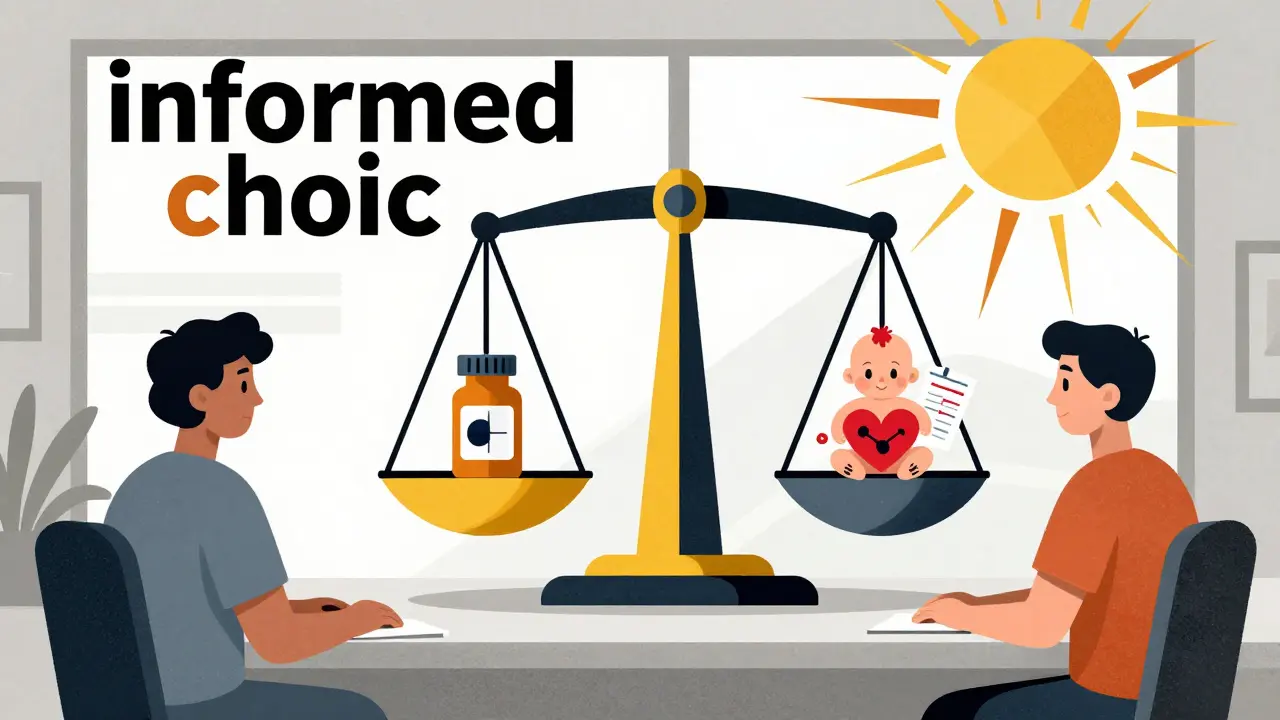
There’s no perfect choice. But there’s an informed one. And that’s what matters.
Is gabapentin safe during pregnancy?
Gabapentin is not considered fully safe during pregnancy, but the risks are nuanced. It does not significantly increase the chance of major birth defects overall, but it is linked to a slightly higher risk of specific heart defects, preterm birth, small babies, and neonatal adaptation syndrome. The highest risks occur with third-trimester use. For some women with severe, treatment-resistant pain, the benefits may outweigh the risks-but only after trying safer alternatives.
Can gabapentin cause birth defects?
The overall risk of major birth defects is very low, with studies showing only a 0.7% absolute increase above the baseline 3% risk. However, there is a confirmed increased risk for conotruncal heart defects-specifically defects in the outflow tracts of the heart-when gabapentin is taken consistently during pregnancy. The absolute risk for these defects is about 0.82%, compared to 0.59% in unexposed pregnancies.
What are the risks of taking gabapentin in the third trimester?
Taking gabapentin late in pregnancy carries the highest risks: a 34% higher chance of preterm birth, a 22% higher chance of having a baby small for gestational age, and a 33% higher chance of NICU admission. About 38% of babies exposed to gabapentin until delivery require NICU care, often due to tremors, feeding problems, irritability, and breathing difficulties-symptoms of neonatal adaptation syndrome.
Is pregabalin safer than gabapentin in pregnancy?
No. Pregabalin is not safer. It crosses the placenta more easily, has stronger effects on the nervous system, and animal studies show clearer signs of developmental harm. Regulatory agencies like the European Medicines Agency recommend avoiding pregabalin in pregnancy entirely unless benefits clearly outweigh risks. Gabapentin remains the preferred option if a gabapentinoid must be used.
Should I stop gabapentin if I’m pregnant?
Do not stop gabapentin abruptly. Sudden withdrawal can trigger seizures, severe anxiety, or rebound pain. Instead, consult your doctor immediately. Together, evaluate whether the medication is still necessary, whether the dose can be lowered, or if a safer alternative like lamotrigine or duloxetine could work. Planning ahead-before pregnancy-is always better than making changes during pregnancy.
Are there safer alternatives to gabapentin for pain during pregnancy?
Yes. For nerve pain, lamotrigine has the best safety profile among antiseizure drugs. For chronic pain, non-drug options like physical therapy, acupuncture, TENS units, and cognitive behavioral therapy are recommended first. If medication is needed, duloxetine (an SNRI) is increasingly used and has less evidence of fetal harm than gabapentinoids. Always discuss alternatives with your provider before making changes.





Gabapentin use in pregnancy is such a gray area. I’ve seen patients in India with severe neuropathy who can’t sleep, can’t walk, and have no access to physical therapy. They’re not taking it for fun-they’re taking it because they have no other choice. The data shows small risks, but for some, the risk of not taking it is worse.
January 8Sai Ganesh