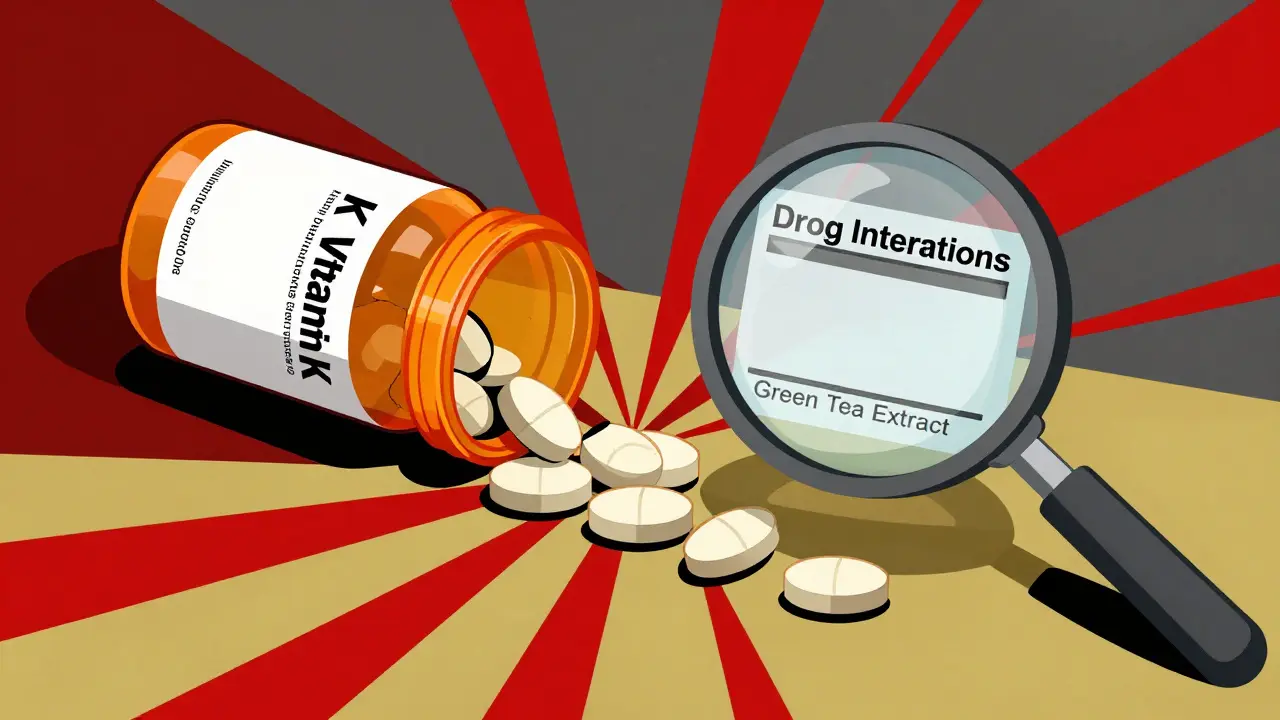
Every year, millions of Americans take supplements alongside their prescription meds-magnesium for sleep, vitamin D for immunity, fish oil for heart health. But here’s the scary part: most supplement labels don’t tell you if those pills could mess with your blood pressure medicine, thyroid drug, or blood thinner. You’re not imagining it. The system is broken.
Why Supplement Labels Don’t Warn You About Drug Interactions
Unlike prescription drugs, which are forced by law to list every possible interaction, supplements operate under a 30-year-old law called DSHEA. That’s the Dietary Supplement Health and Education Act of 1994. Under this law, supplement makers don’t need FDA approval before selling their products. They don’t need to prove safety. They don’t need to test for interactions with medications. And they’re not required to warn you about them on the label. The FDA can step in if something goes wrong-but only after people get sick. In 2022 alone, nearly 2,000 adverse events linked to supplements were reported to the FDA. Almost 30% of those involved dangerous interactions with prescription drugs. That’s not a glitch. It’s the design. Meanwhile, every OTC painkiller or allergy pill you buy at the drugstore has a clear “Warnings” section. It tells you exactly what not to mix it with. Supplement labels? Often silent.What’s Actually on a Supplement Label (And What’s Missing)
Every supplement has a “Supplement Facts” panel. It looks like a nutrition label. It shows:- Serving size
- Amount per serving of each ingredient
- % Daily Value (if established)
- Full list of ingredients
- Allergen info (like soy, milk, nuts)
How Drug Labels Work (So You Know What to Look For)
Prescription and OTC drug labels follow strict rules. The FDA calls it the “Drug Facts” format. It’s organized, consistent, and hard to miss. Here’s what to scan every time:- Active Ingredients: What’s actually doing the work. Know the names.
- Uses: What it’s approved for.
- Warnings: This is the most important section. It tells you when not to take it, who shouldn’t take it, and crucially-what to avoid mixing with it.
- Directions: How much and how often.
- Inactive Ingredients: Fillers, dyes, binders. These can trigger allergies.
Top 5 Dangerous Supplement-Drug Pairs You Need to Know
You don’t need to memorize every interaction. But these five combinations are common, deadly, and rarely warned about on supplement labels:- Warfarin + Vitamin K / Green Tea Extract / CoQ10: These can make warfarin less effective, increasing your risk of clots. Studies show vitamin K can reduce warfarin’s effect by up to 50%. CoQ10 shortens prothrombin time by 15-25%.
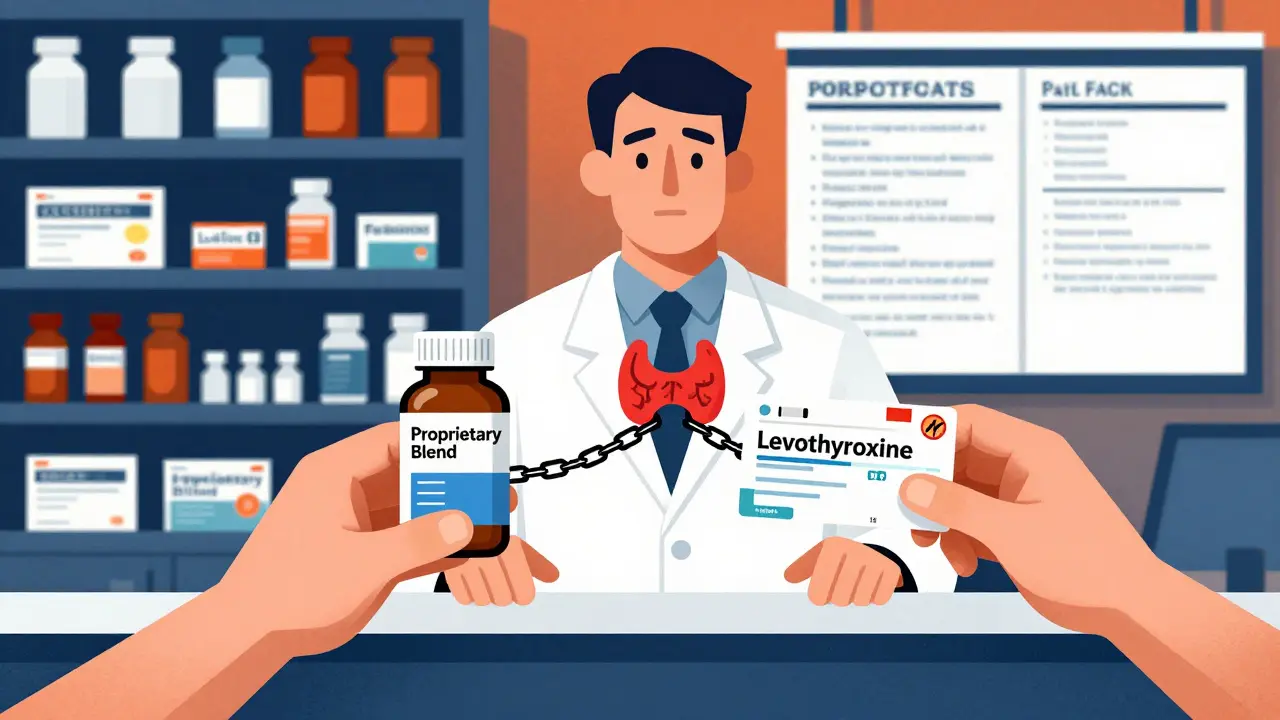
- Levothyroxine (thyroid) + Calcium, Iron, or Soy: These minerals bind to your thyroid med and stop it from absorbing. Take them at least 4 hours apart-or your TSH levels stay high.
- St. John’s Wort + Antidepressants, Birth Control, or Digoxin: This herb speeds up liver enzymes that break down drugs. It can slash digoxin levels by 26%, causing heart failure. It can also make birth control fail.
- Metformin + Milk Thistle: Both lower blood sugar. Together, they can send glucose crashing below 50 mg/dL. One diabetic user reported a blood sugar of 42 mg/dL after adding milk thistle.
- Statins (like Lipitor) + Red Yeast Rice: Red yeast rice contains monacolin K-the exact same compound as lovastatin. Taking both doubles your risk of muscle damage and kidney failure.
How to Protect Yourself: A Simple 3-Step System
You can’t trust supplement labels. So you need a system.- Take a photo of every supplement label. Don’t rely on memory. When you see your doctor or pharmacist, show them the picture. Say: “I’m taking this. Is it safe with my meds?”
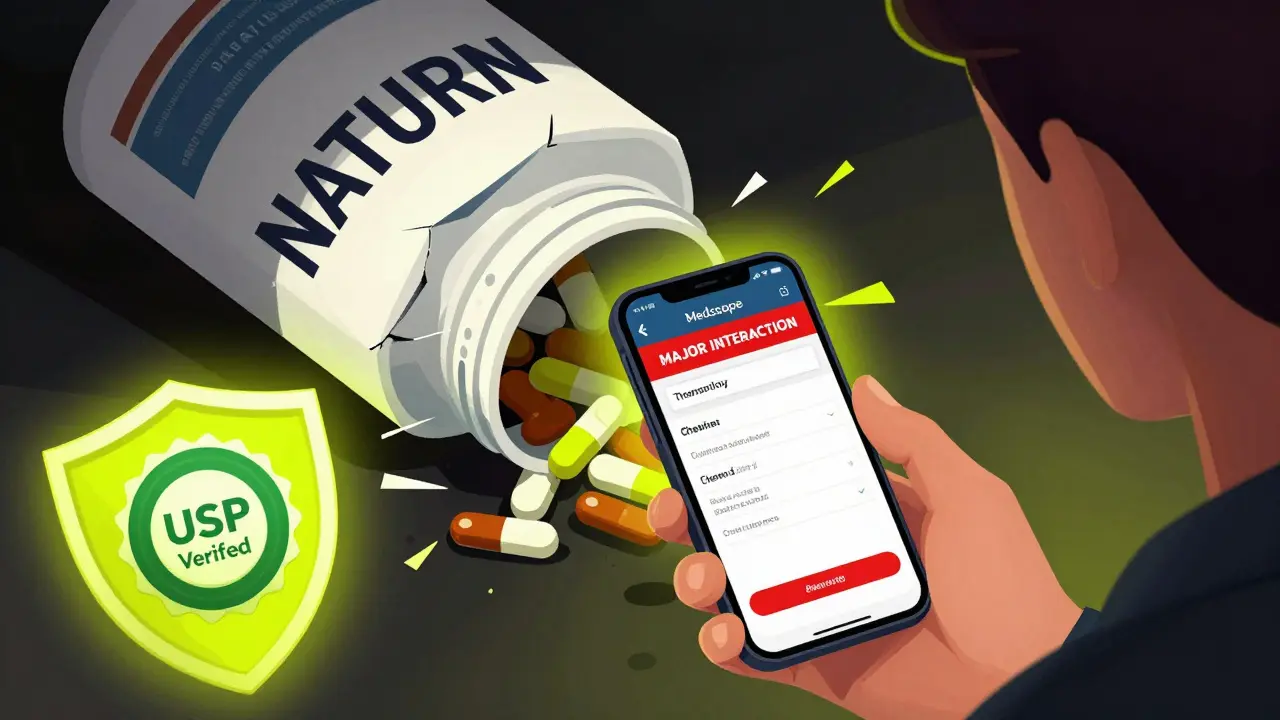
- Use the free Medscape Drug Interaction Checker. It’s online. You type in your drug and the supplement. It checks 24,000+ pairs. No sign-up needed. If it says “major interaction,” don’t take it.
- Ask your pharmacist. Not your doctor. Pharmacists are the drug interaction experts. They see 100+ prescriptions a day. They know what combos blow up. Walk in. Bring your meds and supplements. Ask: “Could any of these hurt each other?”
What to Do When You Can’t Trust the Label
Here’s the truth: If a supplement doesn’t list drug interactions, it’s not because the risk doesn’t exist. It’s because the company doesn’t have to tell you. Look for third-party verification. The USP Verified mark means the product was tested for purity, strength, and accurate labeling. Only 18% of supplements have it. But those that do? 92% accurate. The rest? Only 67% accurate. Avoid anything labeled “natural.” That word means nothing legally. Red yeast rice is natural. So is arsenic. Neither should be mixed with statins. And if you see a supplement promising “fat burning,” “testosterone boosting,” or “cognitive enhancement”? Run. Those are often laced with hidden drugs-like stimulants or steroids-that aren’t listed at all. The FDA has pulled hundreds of these.The Bigger Problem: Why Nothing’s Changing
The supplement industry made $53 billion in 2023. Over 77% of Americans use them. But the FDA’s entire budget for supplement oversight? $4.7 million. That’s less than 0.03% of their total budget. In 2023, Congress tried to pass a law requiring supplements to be registered before sale. It failed. The industry lobbied hard. So we’re stuck with a system where safety is an afterthought. The FDA’s 2024 draft guidance suggests supplement labels voluntarily add interaction warnings. That’s like asking a thief to return your wallet. You can’t rely on goodwill. Until laws change, you’re the only line of defense.What to Do Next
1. Grab your supplement bottle. Look at the label. Is there a drug interaction warning? Probably not. 2. Take a photo. Open Medscape on your phone. Type in your prescription and the supplement name. 3. Call your pharmacist. Ask: “Is this safe with my meds?” 4. If you’re on blood thinners, thyroid meds, antidepressants, or diabetes drugs-don’t start a new supplement without checking. Your health isn’t a gamble. Don’t let a label you can’t trust decide your safety.Do supplement labels have to list drug interactions?
No. Under the Dietary Supplement Health and Education Act (DSHEA) of 1994, supplement manufacturers are not required to test for or list drug interactions on their labels. Only prescription and OTC drugs must include this information by law. About 87% of supplement labels don’t mention interactions at all.
Can I trust the ‘natural’ label on supplements?
No. The term “natural” has no legal definition in supplement labeling. Many dangerous substances are natural-like poison ivy or arsenic. Red yeast rice is natural and contains the same active ingredient as the prescription drug lovastatin. Relying on “natural” as a safety signal can be deadly.
What should I do if my supplement doesn’t list ingredients clearly?
Avoid it. Look for “proprietary blends” on the label-that’s when companies hide ingredient amounts. If you can’t tell how much of each component is in the product, you can’t assess risk. Choose supplements with full ingredient disclosure or those with the USP Verified mark, which ensures accurate labeling.
Can supplements interfere with blood pressure or heart medications?
Yes. St. John’s wort can lower digoxin levels by 26%, risking heart failure. CoQ10 can reduce warfarin’s effectiveness, increasing clot risk. Green tea extract and vitamin K can make blood thinners less effective. Even high-dose vitamin C can interfere with certain heart medications. Always check interactions before combining supplements with heart drugs.
How can I check for interactions without a doctor?
Use the free Medscape Drug Interaction Checker. Enter your prescription drug and the supplement name. It will tell you if there’s a minor, moderate, or major interaction. You can also call your pharmacist-they’re trained to spot these risks and have access to the same tools doctors use. Don’t rely on Google searches or supplement websites.
Are there any supplements that are always safe to take with medications?
There’s no such thing as “always safe.” Even something as simple as magnesium can interfere with thyroid medication if taken at the same time. Vitamin D can affect calcium levels in people on diuretics. The only safe approach is to check every supplement against every medication you take-no exceptions.




I just started taking magnesium for sleep and didn't even think to check if it messed with my blood pressure med. Thanks for the wake-up call. I'm screenshotting this and showing my pharmacist tomorrow.
December 27Jane Lucas