Key Takeaways for Pain Relief
- The WHO Analgesic Ladder provides a three-step system to match medication strength to pain levels.
- Opioids are the gold standard for severe pain but require careful management of side effects like constipation.
- Nerve blocks offer high success rates for localized pain, especially in pancreatic or bone cancer.
- Integrative therapies, such as acupuncture and mindfulness, can reduce the need for high drug doses.
- Personalized care-including genetic testing for drug metabolism-is becoming the new standard.
The Foundation: Understanding the WHO Analgesic Ladder
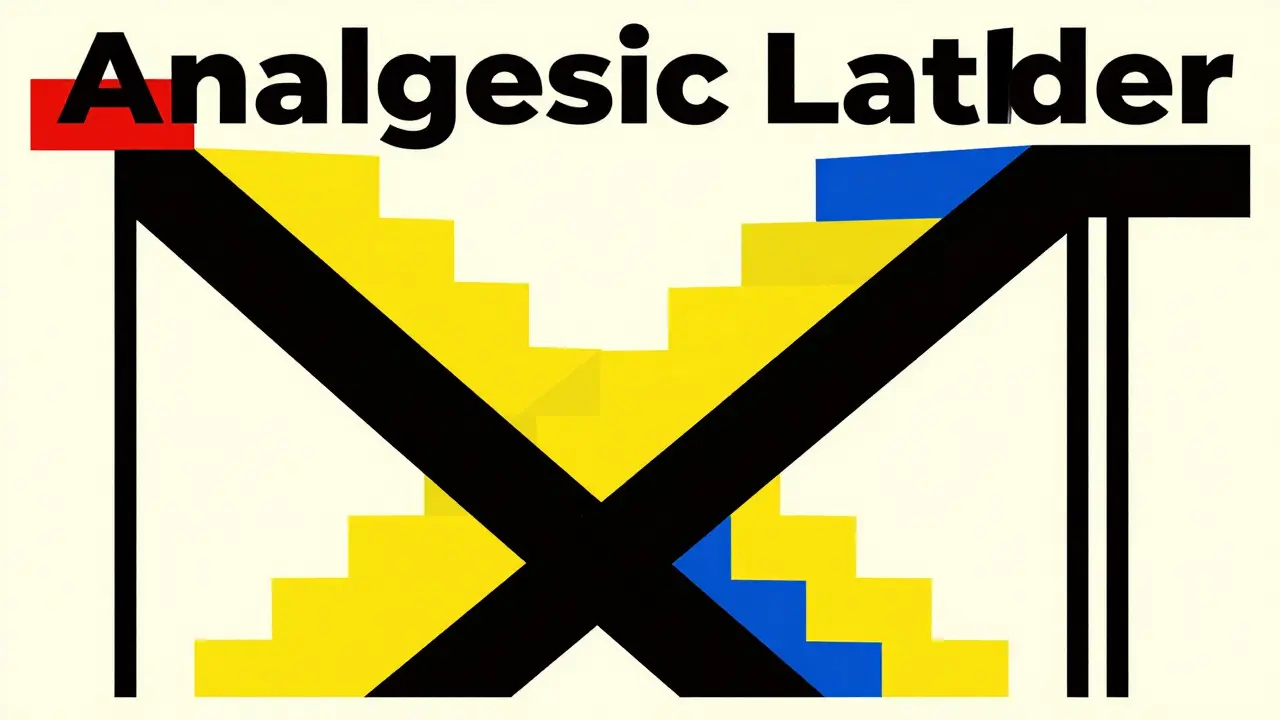
If you've talked to a palliative care team, you've likely heard of the WHO analgesic ladder is a systematic, three-step framework developed by the World Health Organization to ensure patients receive the right strength of pain relief based on their current symptoms. Instead of jumping straight to the strongest drugs, doctors use this ladder to find the lowest effective dose.
At Step 1, for mild pain, the focus is on non-opioids. This usually involves NSAIDs (non-steroidal anti-inflammatory drugs) or paracetamol. These are great for inflammation and dull aches. Step 2 moves into "weak opioids" like tramadol or codeine when the first step isn't enough. Finally, Step 3 is reserved for severe pain, using strong opioids like morphine, oxycodone, or fentanyl patches.
One major shift in how this is used today is the move toward "around-the-clock" dosing. In the past, people took meds only when the pain flared up. Now, experts recommend a steady schedule to keep pain levels stable, with "breakthrough" doses saved for sudden spikes. This prevents the "rollercoaster effect" where you spend half your day waiting for the next pill to kick in.
Opioids: Balancing Relief and Side Effects
When pain hits a severe level, opioids are often the only tools strong enough to do the job. They work by attaching to receptors in the brain and spinal cord to block pain signals. While they are incredibly effective-often reducing pain scores significantly more than NSAIDs-they come with a baggage of side effects.
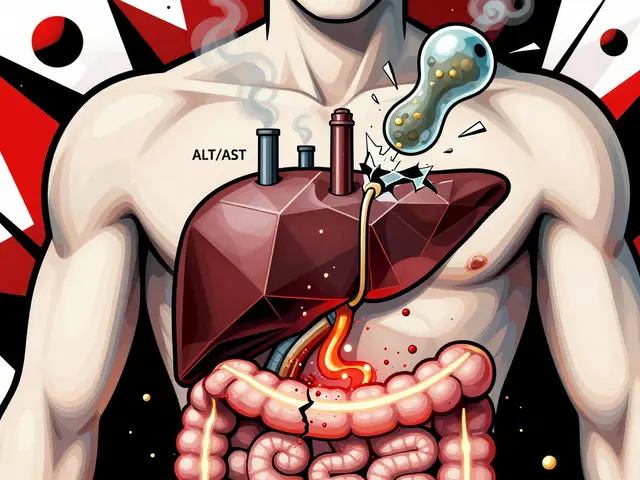
Constipation is the most common struggle, affecting over 80% of patients. Unlike other side effects, you don't usually develop a tolerance to constipation, so a proactive bowel regimen is essential from day one. Nausea and sedation are also frequent, especially during the first few weeks of treatment.
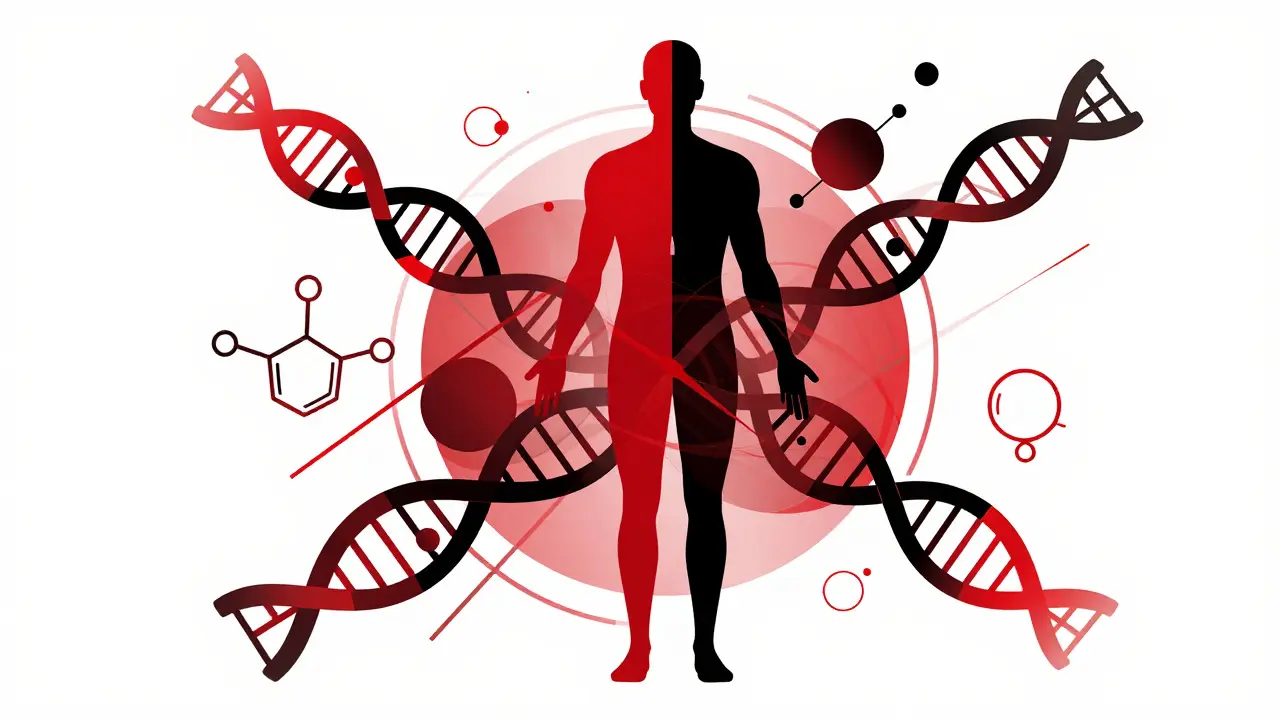
Something many people don't realize is that your DNA affects how these drugs work. For instance, the enzyme CYP2D6 is responsible for converting codeine into morphine in your body. If you are a "poor metabolizer" of this enzyme, codeine simply won't work for you, no matter the dose. This is why some people feel no relief while others feel overly sedated on the same medication.
| Approach | Best For... | Pros | Cons/Trade-offs |
|---|---|---|---|
| Opioids | Severe, systemic pain | Rapid, powerful relief | Constipation, sedation, tolerance |
| Nerve Blocks | Localized, intense pain | Reduces need for systemic drugs | Requires procedure; temporary effect |
| Integrative Care | Mild-to-moderate / Side effects | Low risk, improves mood | Higher out-of-pocket costs |
Targeted Relief with Nerve Blocks
Sometimes, the pain is concentrated in one specific area-like the abdomen or a bone-and taking a pill that affects your entire body feels like using a sledgehammer to crack a nut. This is where nerve blocks come in. These are interventional procedures where a doctor injects an anesthetic or steroid directly near the nerve causing the pain.
A great example is the celiac plexus block, which is frequently used for pancreatic cancer. By blocking the signals from the celiac plexus (a complex network of nerves in the abdomen), patients often see their pain drop from an 8/10 to a 3/10 almost immediately. While the relief doesn't last forever-often requiring a repeat every few months-it can drastically reduce the amount of opioids a patient needs, which in turn reduces those nasty systemic side effects.
Other options include epidural analgesia for spinal pain or peripheral nerve catheters that drip medication directly into a specific limb. These are high-success tools, but they are unfortunately underused because many patients don't have easy access to interventional pain specialists.
The Power of Integrative and Complementary Care
Medicine isn't just about chemicals and needles. Integrative care blends traditional medicine with evidence-based wellness practices. This isn't about replacing your oncologist's plan; it's about adding layers of support to make the medical treatment more tolerable.
Take acupuncture, for example. It's not just for relaxation. Research shows it can significantly reduce pain intensity and, more importantly, help with opioid-induced nausea and vomiting. Similarly, mindfulness-based modalities (like meditation and breathing exercises) help patients manage the emotional distress that often makes physical pain feel worse.
Other helpful tools include:
- Acupressure: Using specific pressure points (like wristbands) to combat chemotherapy-induced nausea.
- Massage Therapy: Helping with muscle tension and improving circulation.
- Cannabinoids: Some patients find relief with medical cannabis, though it often provides a similar level of pain reduction to opioids but with more dizziness.
New Frontiers in Pain Science
We are entering an era of "precision pain management." Instead of trial and error, doctors are starting to use AI-driven algorithms to predict which patients will experience the most pain and what dosage will work best for them based on their health records.
One of the most exciting developments is the rise of monoclonal antibodies. Drugs like denosumab (Xgeva) are specifically designed to treat bone metastasis pain. Unlike opioids, these target the biological process causing the bone destruction, meaning they provide relief without making you sleepy or constipated. This represents a huge leap toward treating the cause of the pain rather than just masking the signal.
Looking ahead, we're seeing more focus on genomic data. Testing your CYP2D6 levels before prescribing codeine is already becoming standard in many European centers, and this level of personalization is likely to hit the US market in full force soon.
Can I become addicted to opioids if I'm using them for cancer pain?
While any opioid carries a risk of dependency, the focus in cancer care is on "analgesia"-stopping the pain. When used under strict medical supervision for severe pain, the risk of addiction is much lower than when used recreationally. Doctors monitor your dose and usage carefully to balance relief and safety.
What should I do if my pain returns between doses?
This is called "breakthrough pain." You should track these episodes in a pain diary-noting the time, intensity, and what you were doing. Your doctor can then adjust your base "around-the-clock" dose or prescribe a fast-acting short-term medication to handle these spikes.
Do nerve blocks hurt during the procedure?
Most nerve blocks are performed using local anesthetics to numb the skin, and in some cases, light sedation. While you might feel some pressure or a brief sting from the needle, the procedure is generally well-tolerated and much shorter than the long-term pain it aims to solve.
How do I tell the difference between nociceptive and neuropathic pain?
Nociceptive pain is usually a dull ache or throb (like a sore muscle or organ pressure). Neuropathic pain feels like burning, tingling, or electric shocks because the nerves themselves are damaged. This distinction is vital because opioids work better for nociceptive pain, while other medications (like gabapentin) are better for neuropathic pain.
Are integrative therapies like acupuncture covered by insurance?
Coverage varies wildly. Some insurance providers now cover acupuncture when it's part of a multidisciplinary cancer care plan, while others consider it "experimental." It's best to check with your provider or look for cancer centers that offer these services as part of a bundled care package.
Next Steps for Your Care Plan
If you're currently struggling with pain, the first step is to keep a detailed log. Don't just say "it hurts"; describe it. Is it burning? Stabbing? A heavy pressure? Note exactly when it happens and what makes it better or worse. This data is gold for your doctor and helps them decide if you need a step-up on the WHO ladder or a referral to an interventionalist for a nerve block.
If you feel your current medication isn't working, ask about your metabolism (CYP2D6 testing) or inquire about adding an integrative therapy like mindfulness or acupuncture. Most importantly, don't wait for your next scheduled appointment if your pain is increasing-reach out to your palliative care team immediately to adjust your titration schedule.