Have you ever walked out of a doctor’s appointment feeling like you were just a set of symptoms? You get the diagnosis, the prescription, and the discharge instructions, but something feels missing. The clinical facts are there, yet they don’t quite land. This is where narrative medicine comes in. It isn't about ignoring science; it's about recognizing that how we tell our health stories changes how we accept them.
Narrative medicine flips the script on traditional care. Instead of treating the disease as an isolated event, it treats the patient's experience as central to healing. When patients and providers engage deeply with these stories, acceptance of difficult diagnoses or complex treatments becomes less of a battle and more of a shared journey. Let’s look at why your story matters so much in modern healthcare.
The Origin of Narrative Medicine
You can trace this movement back to Rita Charon, a physician and literary scholar who saw a gap in medical training. In 1996, she launched the Program in Narrative Medicine at Columbia University. She noticed that clinicians were trained to diagnose efficiently but often failed to truly listen to the human behind the chart.
In her seminal 2001 article in JAMA, Charon defined narrative competence as "the ability to acknowledge, absorb, interpret, and act on the stories and plights of others." This wasn't just soft skills training. It was a structural shift. By 2001, Columbia formally established the discipline, blending humanities, arts, and clinical practice. Today, it’s an international movement focused on health care justice and deep human connection.
How Stories Influence Acceptance
Why do stories change how we accept health conditions? Because illness disrupts our identity. A cancer diagnosis or chronic pain doesn't just affect your body; it shatters your previous sense of self. Narrative medicine provides concrete tools to rebuild that identity.
- Making Meaning: Patients use storytelling to process trauma. As noted by the VA Whole Health Library, narrative strategies help patients "make meaning" of their experiences, turning confusion into clarity.
- Reducing Isolation: Sharing your story assuages the isolation that amplifies anxiety. When you realize others share your struggle, acceptance becomes easier.
- Reconciling Diagnosis: Programs like those at the University of Kentucky show that writing or speaking about your journey helps you "reconcile your diagnosis and recover mentally."
When a patient accepts their condition, they engage better with treatment. They ask better questions. They adhere to medication plans not out of blind obedience, but out of understanding how that plan fits into their life story.
Core Methodologies: Attention, Representation, Affiliation
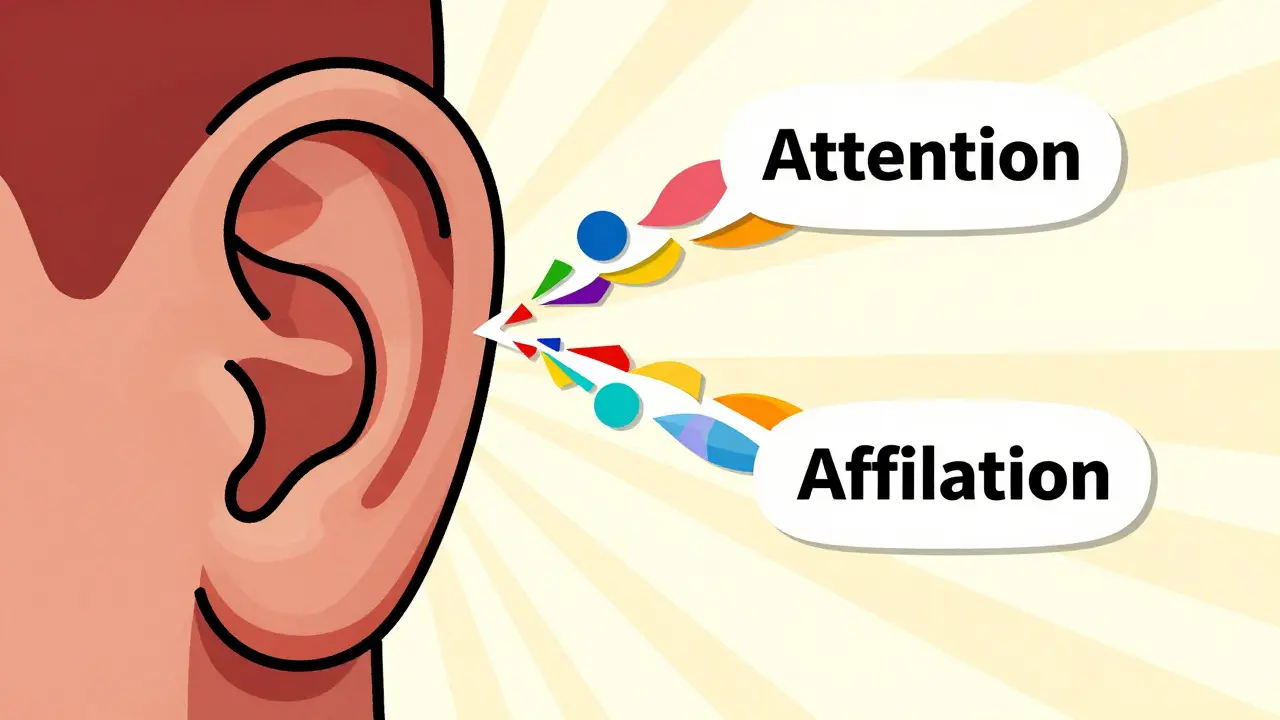
Narrative medicine isn't just talking. It uses specific literary analysis techniques adapted for clinical settings. Columbia University identifies four key capacities that drive this process:
- Attention: Listening closely without interrupting. It means noticing the metaphors, silences, and gestures in a patient's speech.
- Representation: Finding ways to convey what you’ve heard. This might involve reflective writing or documenting the patient’s story accurately in medical records.
- Affiliation: Acting on the story. It’s the commitment to care for the person, not just the pathology.
- Creativity: Using imagination to understand perspectives different from your own.
These methods help clinicians interpret "complicated and sometimes incoherent narratives." For example, a patient might say, "I feel like my lungs are made of glass." A traditional approach might just check oxygen levels. A narrative approach explores the fear of fragility behind that metaphor, leading to deeper psychological support and better acceptance of respiratory therapies.
Impact on Clinician Well-Being
We often think of narrative medicine as helping patients, but it’s equally vital for providers. Burnout is a massive crisis in healthcare. A 2023 study in The Permanente Journal highlighted that over 50% of pediatric residents showed signs of burnout. However, empathy, self-compassion, and confidence in compassionate care-traits bolstered by narrative medicine-were found to be protective against this exhaustion.
Providers need to process the weight of witnessing suffering. Narrative medicine offers a space for them to reflect on their own experiences. Schwartz Center rounds, for instance, allow staff to share stories about challenging cases. This builds resilience. When doctors feel heard, they listen better to patients. It’s a virtuous cycle that improves care quality across the board.
| Aspect | Traditional Biomedical Model | Narrative Medicine Approach |
|---|---|---|
| Focus | Disease pathology and symptoms | Patient’s lived experience and story |
| Communication | Information transfer (doctor to patient) | Dialogue and mutual understanding |
| Goal | Cure or manage biological dysfunction | Healing through meaning and connection |
| Provider Role | Expert authority | Partner and listener |
| Outcome Metric | Biomarkers and survival rates | Patient satisfaction, engagement, and well-being |
Implementation in Practice
How does this work in real hospitals? It’s not always a separate department. Often, it’s integrated into existing workflows. At UK HealthCare, sessions are facilitated by trained professionals who guide patients to share sources of strength and concerns. These sessions typically last 60-90 minutes.
For medical students, it’s mandatory. Columbia requires first-year med students to take seminars covering memoir writing, visual arts, and medical journalism. This early exposure ensures that new doctors develop empathetic listening skills before bad habits form. The learning curve involves practicing "close reading" of patient interactions, similar to analyzing a novel.
Challenges exist. Some clinicians view narrative approaches as a distraction from "real" medicine. However, evidence shows it complements technical skill. It doesn’t replace diagnostics; it enhances the delivery of care. Successful implementation requires organizational commitment to transforming care at both individual and structural levels.
Future Directions and Healthcare Justice
Narrative medicine is evolving beyond individual consultations. It’s increasingly linked to health care justice. Columbia’s mission includes expanding equity and attention to systems of care. By giving voice to marginalized patients, narrative medicine highlights disparities that pure data might miss.
As healthcare moves toward value-based models, patient engagement is crucial. Narrative medicine drives this engagement. Future trends include integrating digital storytelling platforms and expanding training to all health professions, including social workers and chaplains. The goal remains revolutionary: to improve health outcomes for all through human connection.
What is narrative medicine?
Narrative medicine is an interdisciplinary approach to healthcare that emphasizes understanding and engaging with patients' stories. Developed by Rita Charon, it focuses on narrative competence-the ability to absorb and act on patients' experiences-to improve clinical outcomes and patient acceptance of care.
How does narrative medicine help patients accept their diagnosis?
It helps patients make meaning of their illness, reducing isolation and anxiety. By sharing their stories, patients can reconcile their diagnosis with their identity, leading to better mental recovery and higher engagement with treatment plans.
Is narrative medicine effective for reducing clinician burnout?
Yes. Research, including a 2023 study in The Permanente Journal, shows that narrative medicine bolsters staff resilience and mitigates burnout by fostering empathy and self-compassion among healthcare providers.
Who founded narrative medicine?
Rita Charon, a physician and literary scholar, founded the Program in Narrative Medicine at Columbia University in 1996. She formally defined the field in a 2001 JAMA article.
What are the core capacities of narrative medicine?
The four core capacities are attention (listening closely), representation (conveying what was heard), affiliation (acting on the story), and creativity (using imagination to understand others).