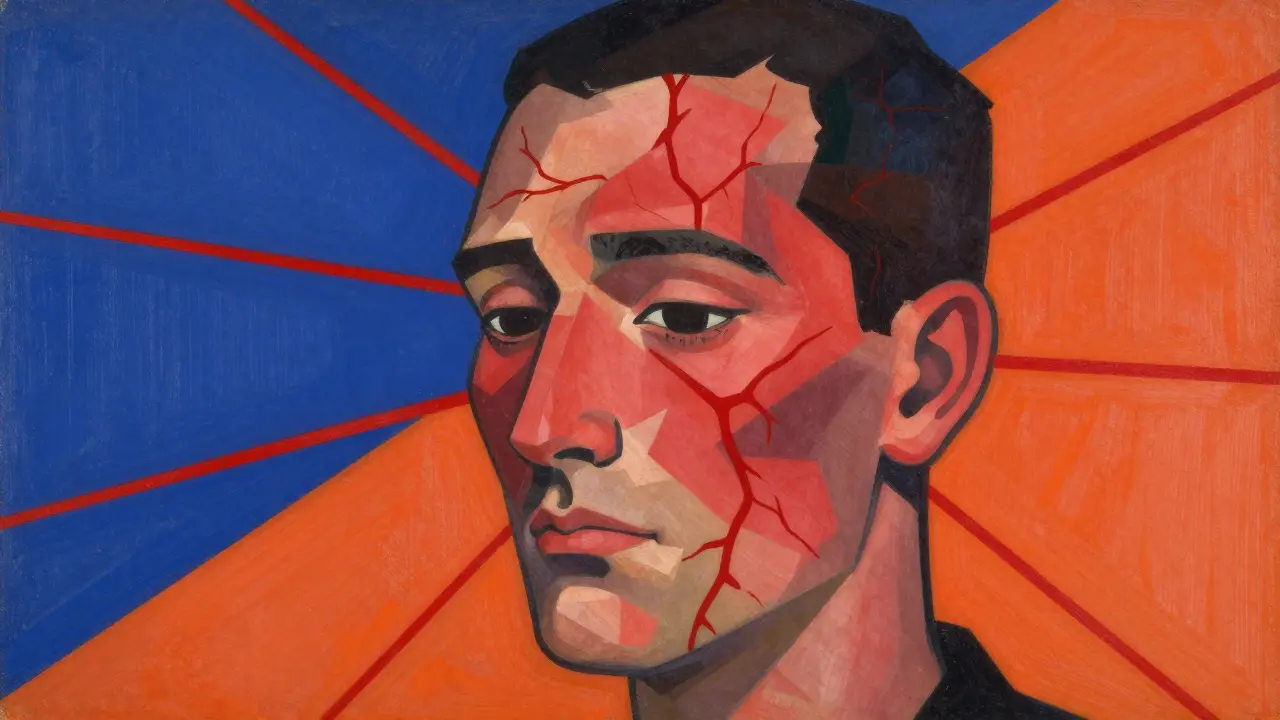
That sudden heat rising across your cheeks is more than just a blush. For millions of people, it is the unmistakable warning sign of rosacea, a chronic inflammatory skin condition that affects the central face. While occasional redness is normal, rosacea brings persistent erythema (redness), visible blood vessels, and often painful bumps or pustules. If you are dealing with this, you are not alone. Approximately 16 million Americans live with rosacea, and it strikes mostly between the ages of 30 and 60. The good news? You have options. Modern dermatology has moved far beyond simple moisturizers, offering powerful topical treatments that can clear lesions and calm inflammation.
But here is the catch: treating rosacea is not one-size-fits-all. Understanding the difference between flushing and inflammatory bumps is crucial because they require different approaches. This guide breaks down exactly how topical antibiotics work, which ones are most effective, and how to use them without irritating your already sensitive skin.
Understanding Rosacea: More Than Just Red Skin
To treat rosacea effectively, you first need to understand what is happening under the surface. It is not an infection in the traditional sense, nor is it caused by poor hygiene. Instead, it involves a complex mix of genetic predisposition, immune system overreaction, and vascular abnormalities. Your facial blood vessels become overly reactive, dilating too easily in response to triggers.
Dermatologists classify rosacea into four main subtypes, though many patients experience symptoms from more than one:
- Erythematotelangiectatic Rosacea: Characterized by persistent redness and visible blood vessels (telangiectasia). This is where flushing is the primary symptom.
- Papulopustular Rosacea: Often mistaken for acne, this subtype features red bumps and pus-filled pimples. This is the type that responds best to topical antibiotics.
- Phymatous Rosacea: Involves thickening of the skin, most commonly on the nose (rhinophyma). This is more common in men.
- Ocular Rosacea: Affects the eyes, causing dryness, grittiness, and light sensitivity. Up to 75% of rosacea patients experience some eye involvement.
The earliest sign in about 75% of patients is facial flushing. Unlike normal blushing, which fades quickly after emotional excitement, rosacea flushing lasts longer and is triggered by specific environmental factors. Common culprits include hot beverages above 60°C (140°F), spicy foods containing capsaicin, alcohol (especially red wine), and extreme temperatures. If left unmanaged, these temporary flushes can evolve into persistent redness that looks like a sunburn that never heals.
Topical Antibiotics: The First Line of Defense
When papules and pustules appear, dermatologists typically turn to topical antibiotics as the first-line therapy. Despite the name "antibiotic," their primary role in rosacea treatment is anti-inflammatory rather than antibacterial. They work by calming the immune response in the skin and reducing the population of Demodex mites, microscopic organisms that live on everyone's skin but may contribute to inflammation in rosacea patients.
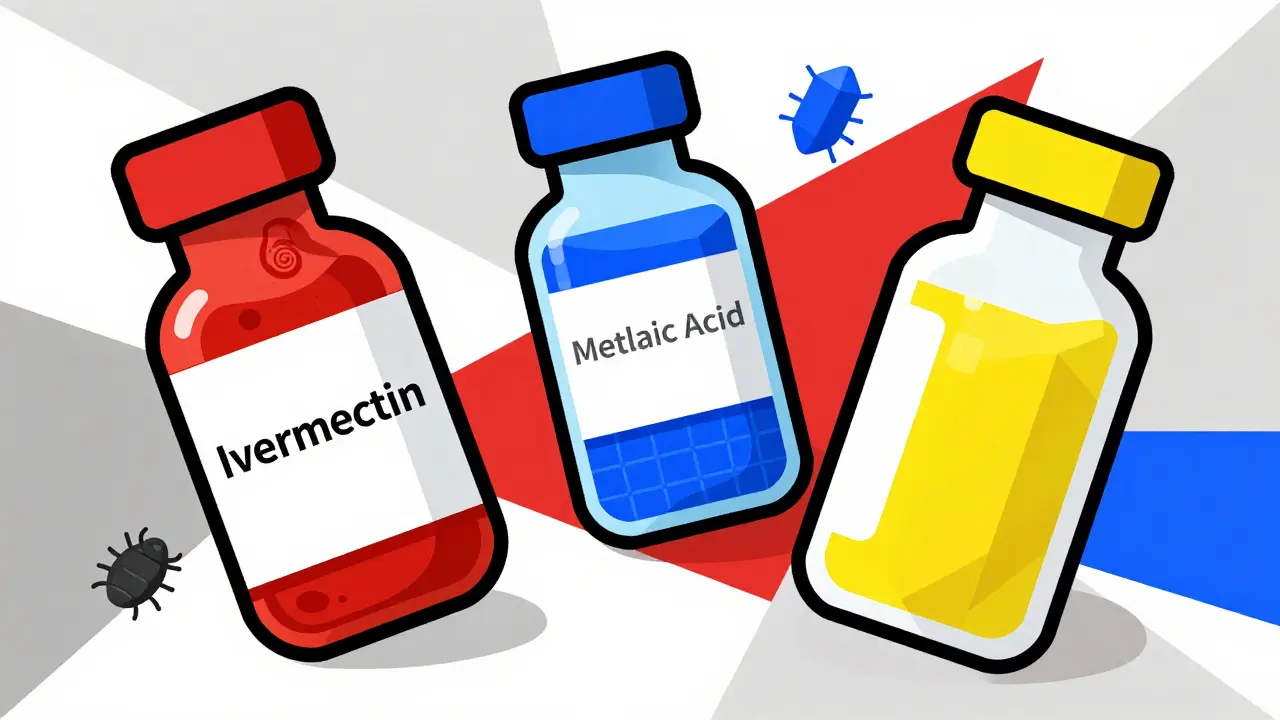
There are three main topical agents used today, each with distinct mechanisms and efficacy rates:
| Treatment | Key Ingredient | Primary Action | Avg. Lesion Reduction | Time to Results |
|---|---|---|---|---|
| Ivermectin 1% Cream | Ivermectin | Anti-inflammatory & Anti-Demodex | 76% | 8-12 weeks |
| Metronidazole 0.75% Gel | Metronidazole | Anti-inflammatory | 60-70% | 6-9 weeks |
| Azelaic Acid 15% Gel | Azelaic Acid | Anti-inflammatory & Keratolytic | 68-73% | 12-15 weeks |
Ivermectin 1% cream has emerged as the gold standard in recent years. Approved by the FDA in 2014, it targets both inflammation and Demodex mites. Clinical trials show it reduces inflammatory lesions by 76% at 12 weeks, significantly outperforming older treatments. Metronidazole, available since 1985, remains a popular choice due to its long safety record and lower cost, though it is slightly less effective. Azelaic acid is technically not an antibiotic but works similarly by reducing inflammation and clearing dead skin cells, making it ideal for those who want to avoid antibiotics entirely.
How to Apply Topical Treatments Correctly
Even the best medication will fail if applied incorrectly. Many patients abandon treatment early because they expect overnight miracles or irritate their skin through improper use. Here is how to maximize results and minimize side effects.
- Start Slow: Do not apply medication every day immediately. Start twice a week, then increase to every other day, and finally daily as your skin tolerates it. This "ramp-up" approach reduces the risk of severe stinging.
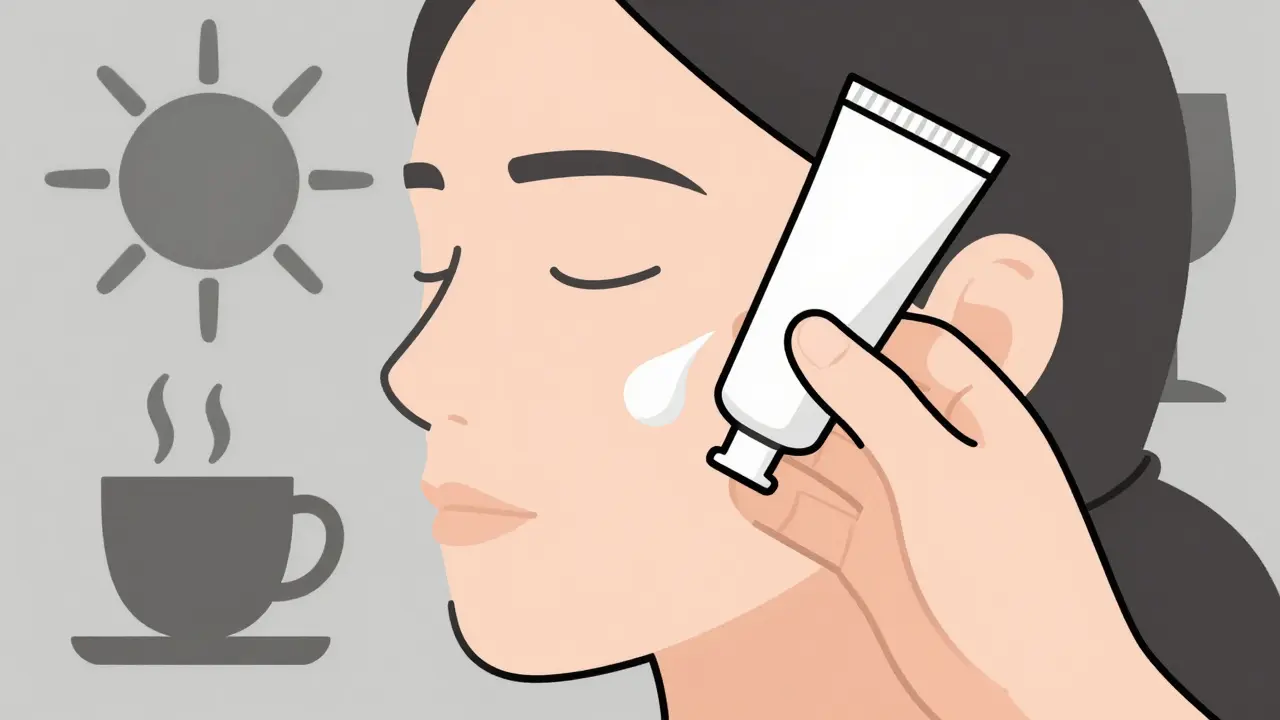
- Use a Pea-Sized Amount: You do not need a lot. A pea-sized amount is sufficient for the entire face. Using more does not speed up healing; it only increases irritation.
- Apply to Dry Skin: Wait 15-20 minutes after washing your face before applying medication. Applying to damp skin can increase absorption too quickly, leading to burning sensations.
- Be Patient: Visible improvement takes time. Most patients see noticeable changes after 4-8 weeks, with full benefits appearing at 12-16 weeks. Studies show that 45% of patients stop treatment within six months because they quit too soon.
If you experience intense burning, try applying a gentle, ceramide-based moisturizer first, wait 15 minutes, and then apply the medication. Alternatively, ask your doctor about starting with a lower concentration, such as metronidazole 0.75% instead of 1%.
Managing Triggers: The Other Half of Treatment
Topical antibiotics treat the symptoms, but they do not cure the underlying sensitivity. To keep rosacea under control, you must identify and avoid your personal triggers. Keeping a symptom diary for two weeks can reveal patterns you might otherwise miss.
Common triggers include:
- UV Radiation: Sun exposure is the number one trigger. Use a mineral sunscreen with zinc oxide or titanium dioxide daily, even when cloudy. Chemical sunscreens can sometimes sting rosacea-prone skin.
- Temperature Extremes: Avoid saunas, steam rooms, and very hot showers. Cold weather can also trigger flushing, so protect your face with scarves in winter.
- Dietary Factors: Spicy foods, hot drinks, and alcohol are frequent culprits. Pay attention to how your skin reacts after meals.
- Stress: Emotional stress releases neuropeptides that dilate blood vessels. Mindfulness techniques and adequate sleep can help reduce stress-induced flares.
Gentle skincare is equally important. Avoid harsh scrubs, alcohol-based toners, and fragrances. Look for products labeled "non-comedogenic" and "fragrance-free." Cleansers with a pH between 5.5 and 7.0 help maintain the skin barrier without stripping natural oils.
What to Expect: Realistic Outcomes and Side Effects
No treatment clears rosacea completely, but consistent management can lead to significant improvement. Most patients report a 60-75% reduction in inflammatory lesions with proper topical therapy. However, setbacks are normal. Stressful periods, vacations in sunny climates, or hormonal changes can cause temporary flares.
Side effects are usually mild and transient. Burning occurs in 15-25% of users, dryness in 10-20%, and temporary redness in 5-15%. Serious adverse reactions are rare, occurring in less than 1% of cases. If irritation persists beyond two weeks, consult your dermatologist. They may switch you to a different formulation or add a short course of oral medication.
Remember, rosacea is a chronic condition, but it is manageable. With the right combination of topical antibiotics, trigger avoidance, and gentle skincare, you can regain clear, comfortable skin. Stick with your treatment plan, be patient with your skin, and don't hesitate to seek professional guidance if you hit a roadblock.
Does ivermectin cream work better than metronidazole?
Yes, clinical studies show ivermectin 1% cream is generally more effective. It reduces inflammatory lesions by 76% compared to 60-70% for metronidazole. Ivermectin also targets Demodex mites, which may play a role in rosacea inflammation, giving it a dual mechanism of action.
How long does it take for topical antibiotics to show results?
You should start seeing improvement within 4 to 8 weeks. However, full therapeutic effects typically take 12 to 16 weeks of consistent use. Many patients quit too early, so patience is key to success.
Can topical antibiotics cure rosacea permanently?
No, rosacea is a chronic condition with no permanent cure. Topical antibiotics manage symptoms and reduce inflammation, but maintenance therapy is usually required to prevent flare-ups. Stopping treatment often leads to a return of symptoms.
Is azelaic acid an antibiotic?
Technically, no. Azelaic acid is a dicarboxylic acid with anti-inflammatory and keratolytic properties. While it is used alongside antibiotics for rosacea treatment, it works by reducing inflammation and clearing dead skin cells rather than killing bacteria.
Why does my face burn when I apply rosacea medication?
Burning is a common side effect, affecting 15-25% of users. It often happens if the skin barrier is compromised or if the medication is applied to damp skin. Try applying to completely dry skin, using a smaller amount, or buffering with a gentle moisturizer first. If burning persists, consult your doctor.
What are the best triggers to avoid for rosacea flushing?
The most common triggers include UV radiation, hot beverages, spicy foods, alcohol (especially red wine), extreme temperatures, and emotional stress. Identifying your personal triggers through a symptom diary is essential for effective management.