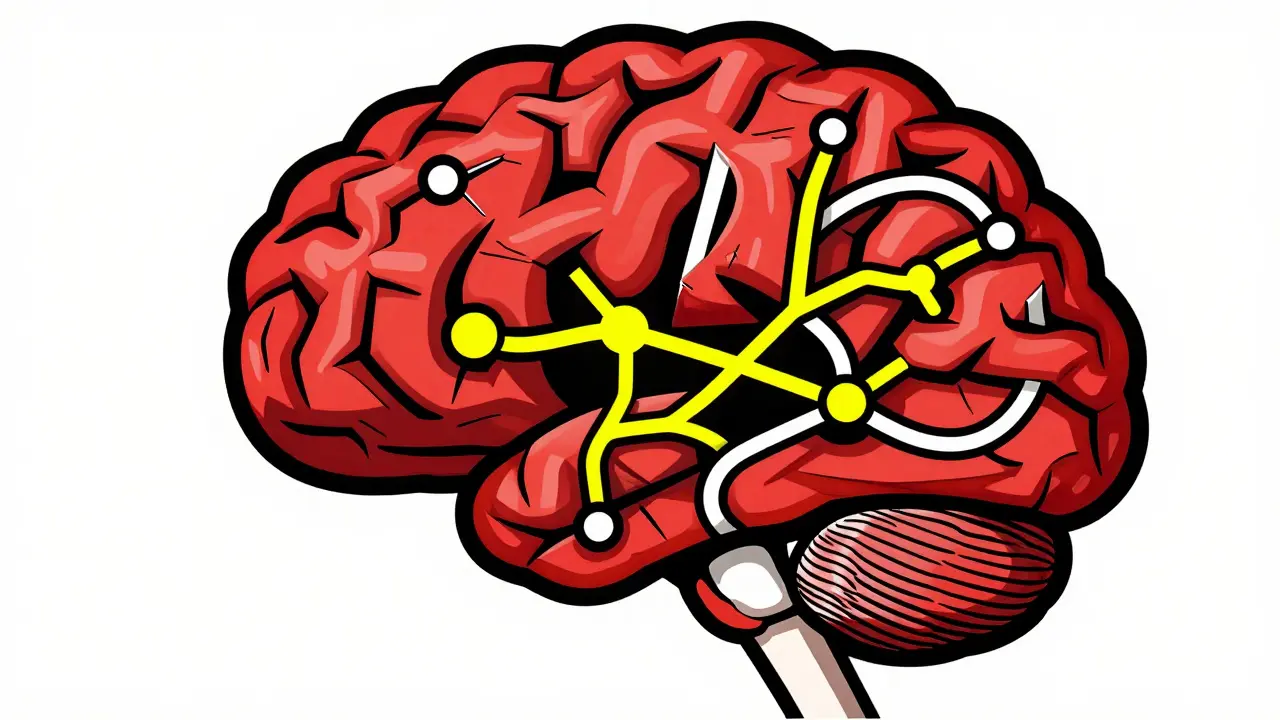
Imagine waking up and finding that your arm won't move or the words you want to say are stuck in your throat. This is the jarring reality for thousands of people after a stroke. But here is the part that often gets overlooked: the brain is remarkably stubborn. It doesn't just give up when a part of it is damaged. Through a process called neuroplasticity is the brain's ability to reorganize its structure and form new neural connections in response to injury or experience , the mind can actually rewire itself to bypass damaged areas. While the process is grueling, the goal isn't just to "get back to normal," but to find a new way to function and regain independence.
The Three Phases of Healing
Recovery doesn't happen all at once. It's a marathon broken into three distinct stages. Understanding where you are in this journey helps manage expectations and keeps you motivated.
- Natural Healing: This happens in the first few days and weeks. Your body is dealing with the initial shock, and brain swelling usually begins to go down. You might notice some movement returning simply because the inflammation is decreasing.
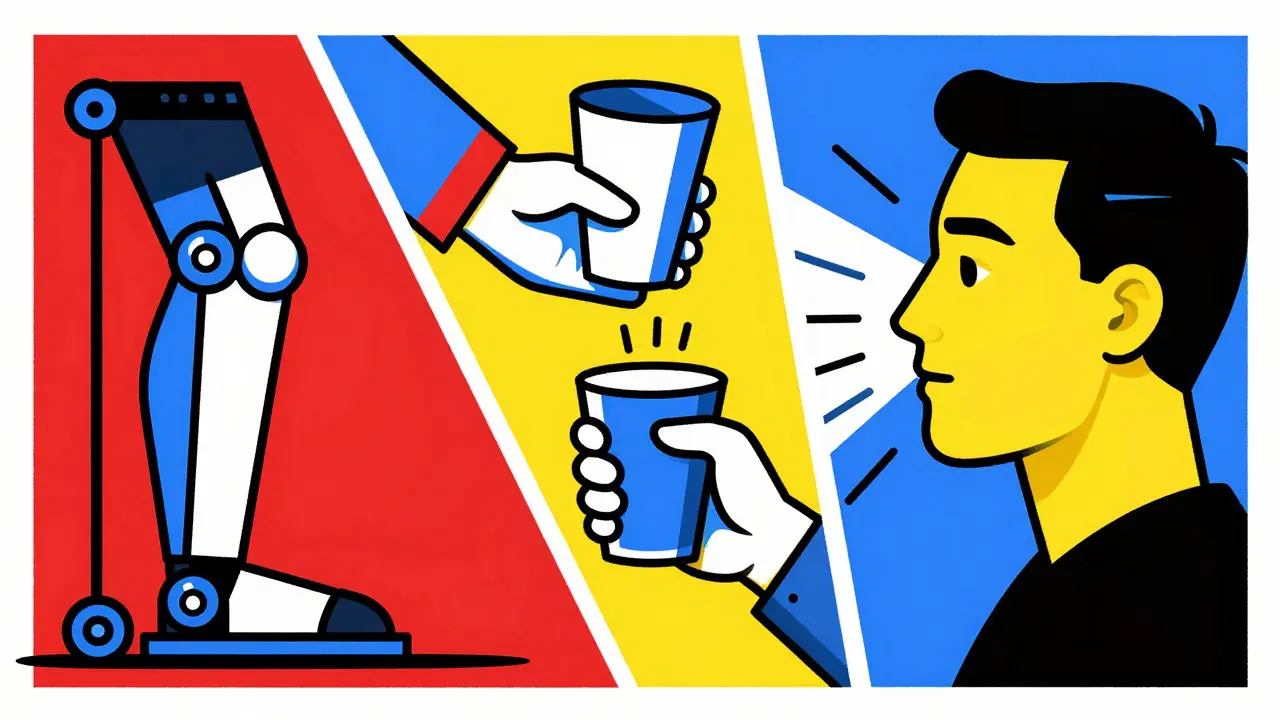
- Retraining: This is the heavy lifting phase, spanning weeks to months. This is where you work with therapists to relearn skills through repetition. If you can't grip a cup, you might spend hours practicing that one specific motion until the brain builds a new path to that muscle.
- Adaptation: This is the long game, lasting months or even years. At this stage, the focus shifts to coping with permanent changes. It's about modifying your home-like adding grab bars in the shower-and finding new ways to enjoy hobbies.
Timing is everything here. Starting high-intensity exercises within the first 24 hours after a stroke can improve functional outcomes by about 35%. The sooner the brain is challenged, the faster it starts rebuilding.
The Specialized Toolkit for Recovery
One therapist can't do it all. A full recovery requires a coordinated attack on different functional deficits. You'll likely encounter a team of experts, each focusing on a different piece of the puzzle.
First, there is Physical Therapy is a treatment focused on restoring gross motor skills, balance, and mobility to help patients walk and move again . This isn't just basic stretching. It involves high-intensity gait training and sometimes Constraint-Induced Movement Therapy, where your strong arm is tied down to force your brain to use the weakened limb. This method has shown a 30% greater improvement in motor function than standard care.
Then you have Occupational Therapy is the process of helping patients relearn activities of daily living (ADLs) such as dressing, eating, and bathing . These therapists focus on the "occupations" of daily life. They might use visual cues-like pointing to a wheelchair brake-to help you rebuild the habit of safety during transfers.
Finally, Speech-Language Pathology is a specialized therapy targeting communication disorders and swallowing difficulties (dysphagia) following a neurological event . They don't just help with talking; they ensure you can swallow safely so you don't develop pneumonia from food entering the lungs.
| Therapy Type | Primary Goal | Key Technique | Observed Outcome |
|---|---|---|---|
| Physical Therapy | Mobility/Gait | Constraint-Induced Therapy | 30% higher motor gain |
| Occupational Therapy | Daily Living | Environmental Modification | Increased independence |
| Speech Therapy | Communication | Swallowing Exercises | Reduced choking risk |
| Tech-Assisted | Strength/Speed | Robotic Gait Training | 50% faster walking speed |
High-Tech Boosts for the Brain
We've moved far beyond just rubber bands and foam rollers. Technology is now allowing us to target the brain with surgical precision. Functional Electrical Stimulation (FES) is the use of small electrical pulses to activate paralyzed or weak muscles . By applying these currents to a wrist or hand, patients often see strength gains between 25% and 45%.
Robotics are also changing the game. Devices like the Lokomat can guide a patient's legs through thousands of perfect walking strides, providing the repetitive input the brain needs to "remember" how to walk. Even Virtual Reality (VR) is being used to trick the brain into engaging with tasks in a simulated environment, which can improve upper limb function by nearly 30% compared to traditional exercises.
For those with more severe injuries, Transcranial Magnetic Stimulation (TMS) is a non-invasive procedure that uses magnetic fields to stimulate nerve cells in the brain to improve symptoms of neurological disorders . When paired with standard therapy, TMS can boost motor recovery by an additional 15-20%.
The Human Element: Motivation and Support
You can have the best doctors and the most expensive robots, but if the patient isn't mentally in the game, the results will stall. It's a harsh truth, but motivation accounts for up to 40% of the difference in recovery outcomes. This is why psychological support is just as important as physical exercise.
Depression affects about 30-35% of stroke survivors. It's not just "feeling sad"; it's a chemical reaction to brain injury that can lead to a total lack of effort in therapy. When a patient is depressed, they stop trying, and when they stop trying, the brain stops rewiring.
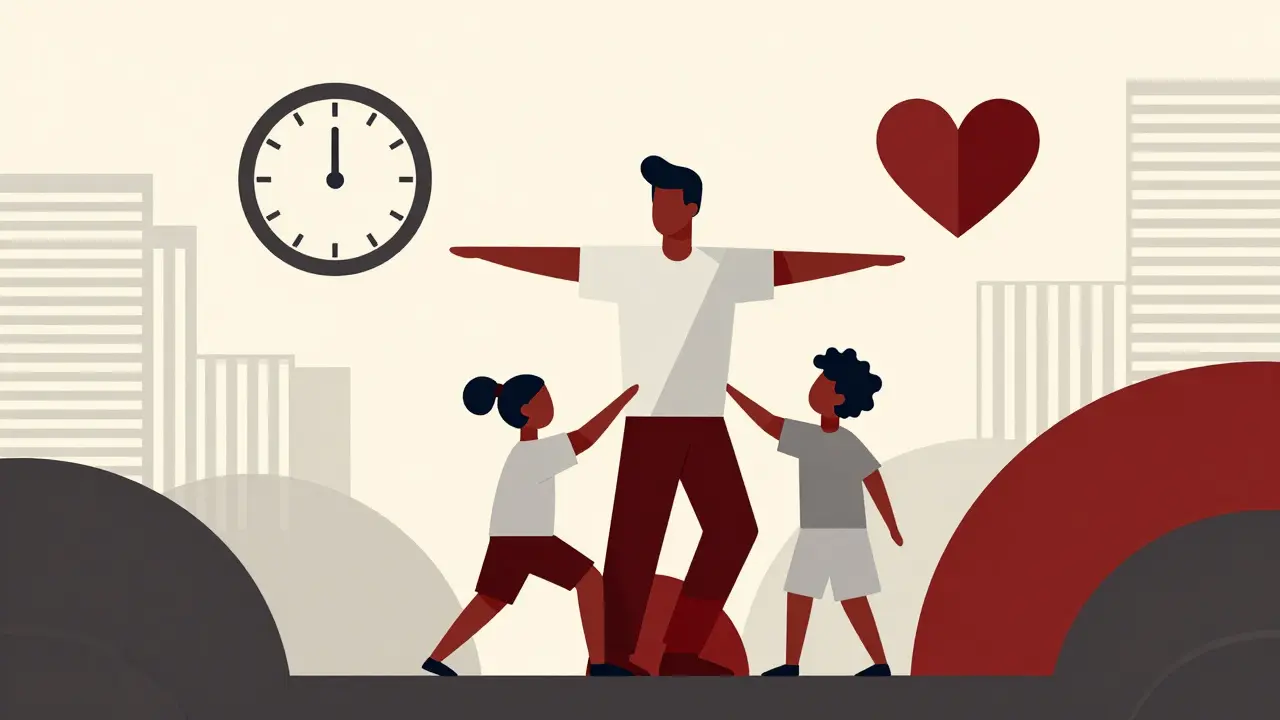
Family involvement is the secret weapon here. Having a spouse or child involved in the process doesn't just provide emotional comfort-it increases the likelihood that the patient will stick to their exercises by 37%. Whether it's cheering them on during a difficult walk or helping them practice speech, the social connection fuels the biological recovery.
Daily Balance and Avoiding Burnout
There is a common mistake in stroke recovery: the "push through the pain" mentality. While intensity is key, the brain consumes a massive amount of energy during the rewiring process. Pushing too hard can lead to extreme fatigue, which actually slows down progress.
A sustainable recovery schedule usually follows a specific ratio:
- Therapeutic Exercise (40-50%): This is the core work-physical and cognitive drills.
- Rest and Sleep (30-40%): This is when the brain actually encodes the new connections learned during therapy.
- Social Interaction (20-30%): Talking, visiting, and engaging with others to keep the cognitive wheels turning.
If you spend 90% of your day in therapy, you'll hit a wall. The brain needs a "cool down" period to solidify the neural pathways you've been hammering away at all morning.
Preventing Secondary Complications
The stroke itself is the first injury, but the aftermath can bring others if you aren't careful. One of the biggest risks is Contractures is the permanent shortening of a muscle or joint, leading to stiffness and deformity . This happens when a limb stays in one position for too long. Without passive range-of-motion exercises-performed 2-3 times a day-up to 50% of untreated patients develop these painful joint locks.
Balance is another critical area. About 60% of survivors struggle with equilibrium, which leads to a terrifying fear of falling. This fear often causes patients to stop moving entirely, which creates a vicious cycle of muscle atrophy. Structured balance training is the only way to break this cycle and regain the confidence to walk unaided.
How long does it take to see progress after a stroke?
While some natural healing happens in the first few days as brain swelling subsides, significant functional recovery usually happens over 6 months to several years. The most rapid gains often occur in the first few months of intensive rehabilitation, though neuroplasticity allows for continued, albeit slower, improvement for years afterward.
Can a person truly regain their speech after a brain injury?
Many can, although the extent depends on the location and size of the brain damage. Speech-Language Pathology uses techniques to help the brain find new ways to produce sound or use alternative communication methods. Repetition and consistent practice are key to regaining fluency.
What is the role of a physiatrist in stroke recovery?
A physiatrist is a medical doctor specializing in physical medicine and rehabilitation. They act as the "quarterback" of the recovery team, coordinating the efforts of physical, occupational, and speech therapists to ensure the treatment plan is cohesive and adjusted as the patient improves.
Is telerehabilitation as effective as in-person therapy?
Research suggests that telerehabilitation is about 85% as effective as in-person care for many interventions. While some hands-on physical manipulation requires a clinic visit, the consistency of home-based remote therapy often outweighs the lack of physical contact for many patients.
What are the biggest barriers to a successful recovery?
The primary barriers are usually psychological and systemic. Post-stroke depression can strip away the motivation needed for the grueling work of retraining. Additionally, a lack of a coordinated multidisciplinary team or insufficient daily therapy hours can significantly slow down the recovery process.
Next Steps for Caregivers and Patients
If you are just starting this journey, start by building your team. Ensure you have a neurologist and a physiatrist who communicate regularly. If you are at home, focus on the "small wins"-moving a finger five degrees more this week is a victory.
For those transitioning from a hospital to home, look for community-based rehabilitation programs. Since about 70% of survivors need ongoing help after discharge, finding a local support group or outpatient clinic is vital to prevent the "plateau" effect where progress stops because the intensity of therapy drops.


Sure, let's just trust the "30% improvement" stats from some nameless study. Probably funded by the companies selling those robotic walkers. Wake up people, the medical industrial complex just wants you in a subscription for "maintenance" therapy forever. The brain doesn't just "rewire" because a machine told it to; it's all a racket to keep you paying for a physiatrist's yacht.
April 21Quinton Bangerter