Chelation Therapy: What It Is, How It Works, and What You Need to Know
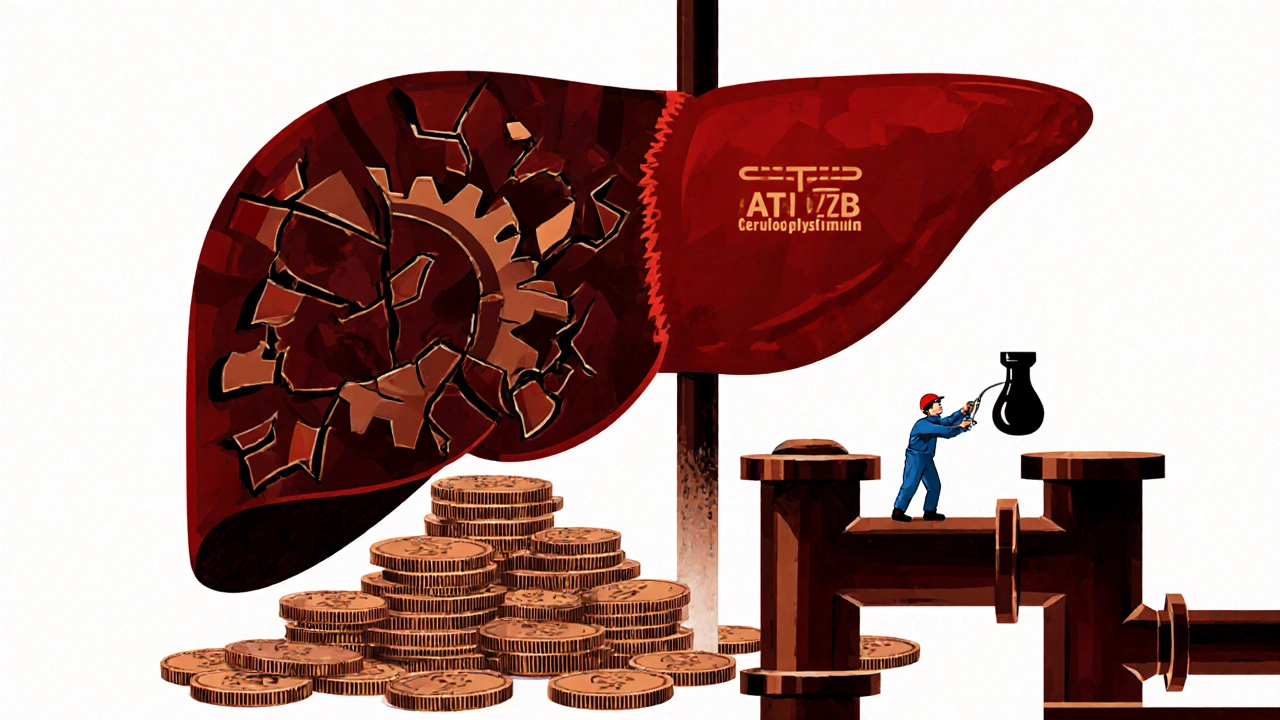
When your body holds onto dangerous metals like lead, mercury, or arsenic, chelation therapy, a medical treatment that binds toxic metals so they can be safely removed from the bloodstream. Also known as metal chelation, it’s not just for poisoning—it’s been studied for decades in heart disease, too. This isn’t a miracle cure or a trendy detox. It’s a precise, FDA-approved treatment for confirmed heavy metal poisoning, and sometimes used off-label under strict supervision.
At its core, chelation therapy uses chemicals like EDTA, a synthetic amino acid that latches onto metals like lead and cadmium. Once bound, these metal-EDTA complexes leave the body through urine. It’s not magic—it’s chemistry. The treatment is given through IV, usually over several hours, and requires multiple sessions. You can’t just drink a potion and expect results. Real chelation is medical, monitored, and not something to try at home.
People often confuse chelation with general detoxes or supplements. But if you’re not actually poisoned by metals, chelation won’t help you feel better—it might hurt you. Low iron, low zinc, or kidney damage can happen if it’s used incorrectly. The FDA has warned against using chelation for autism, Alzheimer’s, or heart disease without solid evidence. That said, for kids with high lead levels or adults with severe metal toxicity, it’s life-saving.
Some doctors still use it for coronary artery disease, believing it clears plaque. But large studies like the TACT trial showed only modest benefits in a specific group—people with prior heart attacks and high metal exposure. It’s not a first-line treatment. It’s a tool for specific cases, not a blanket fix.
What you’ll find here are real stories and science-backed guides: how chelation is used in hospitals, what tests confirm metal toxicity, why some people get it after dental work or old paint exposure, and how it compares to other treatments. You’ll also see how it intersects with medication safety, kidney function, and even environmental health. No hype. No guesswork. Just what works, what doesn’t, and what you need to ask your doctor before even considering it.