Colon Cancer Prevention: What Actually Works
Colon cancer prevention isn’t about magic pills or extreme diets—it’s about knowing what to do, what to avoid, and when to act. Colon cancer, a preventable disease that starts in the large intestine and often develops slowly from polyps. Also known as colorectal cancer, it’s one of the few cancers where early detection can stop it before it spreads. The good news? Most cases can be avoided with simple, consistent steps.
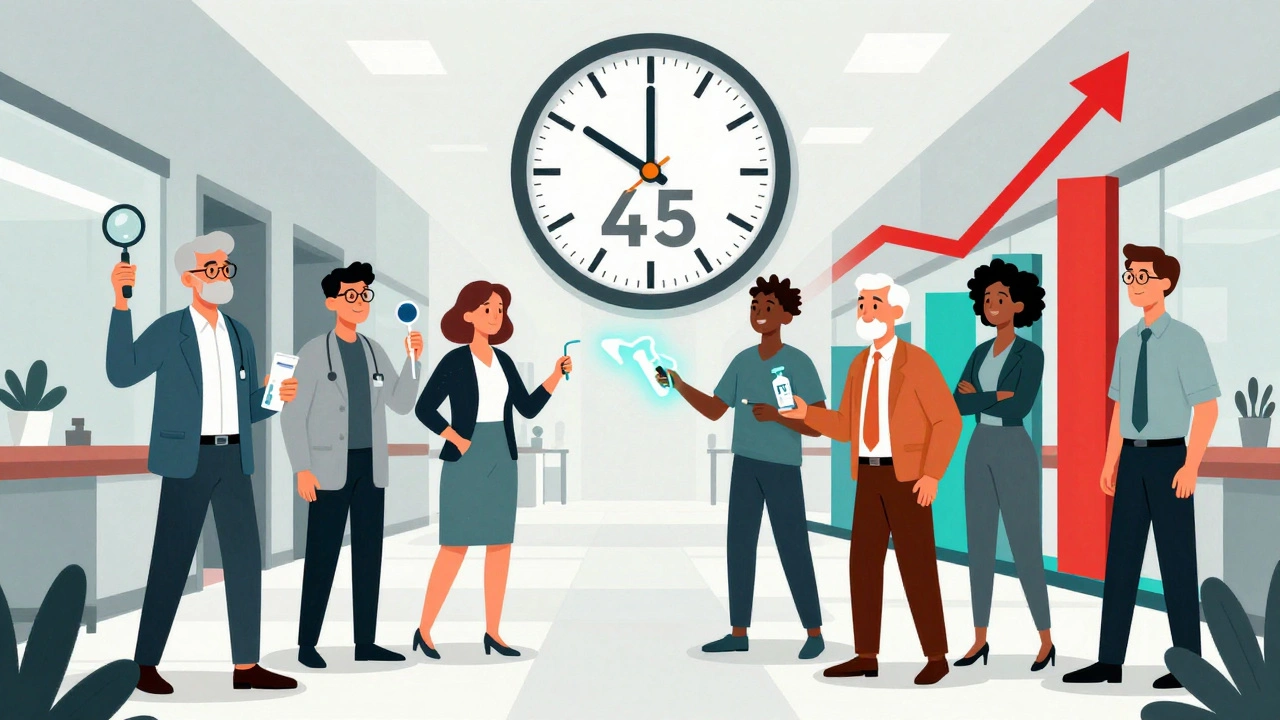
Screening is the single most powerful tool. Starting at age 45, regular colonoscopies or stool tests can find precancerous growths and remove them before they turn dangerous. But screening isn’t the only piece. Colorectal cancer screening, a set of medical tests designed to detect early signs of cancer or precancerous polyps in the colon and rectum includes options like FIT tests, sigmoidoscopy, and virtual colonoscopy—each with pros and cons. Your doctor can help you pick the right one based on your risk.
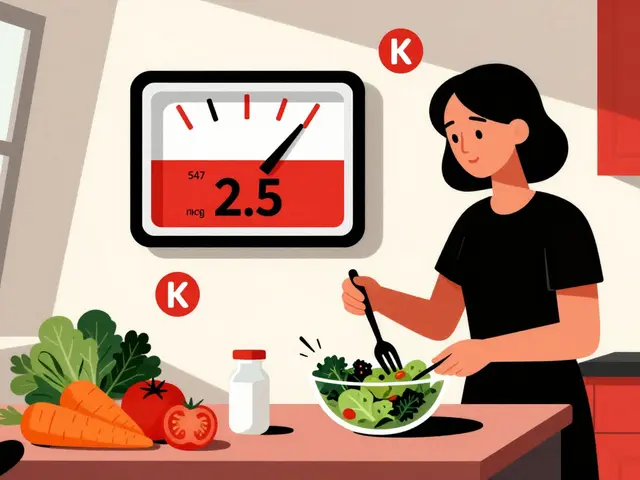
What you eat matters too. Diets high in red and processed meats raise your risk, while fiber-rich foods like beans, whole grains, and vegetables help protect you. Medication risks, certain long-term drugs like NSAIDs and steroids can influence cancer development, either lowering or increasing risk depending on use. For example, regular aspirin use has been linked to lower colon cancer rates in some studies—but it’s not for everyone due to bleeding risks. Never start or stop a medication for cancer prevention without talking to your doctor.
Obesity, smoking, and heavy drinking are also major players. Losing even 5% of your body weight can reduce inflammation and lower risk. Quitting smoking cuts your chance of dying from colon cancer by nearly half over time. And alcohol? Limit it to one drink a day—or skip it. These aren’t just vague health tips; they’re backed by decades of data from large population studies.
Some people have higher risk because of family history or genetic conditions like Lynch syndrome. If you have a close relative diagnosed before age 60, you may need to start screening earlier. Genetic testing can clarify your risk, and your doctor can guide you on how often to check.
What you’ll find in the posts below isn’t fluff—it’s real, practical info from people who’ve studied this closely. You’ll see how common medications might quietly affect your colon, what tests actually catch early, and how lifestyle changes stack up against drugs or surgery. No hype. No fear-mongering. Just what you need to know to take control.