Colonoscopy Screening: What It Is, Who Needs It, and What to Expect
When you hear colonoscopy screening, a medical procedure used to examine the inside of the colon and rectum for polyps or signs of cancer. It's the most effective way to find colorectal cancer before symptoms show up. Most people don’t feel anything wrong until it’s too late—by then, cancer may have spread. But with regular colonoscopy screening, doctors can spot and remove dangerous growths years before they turn deadly.
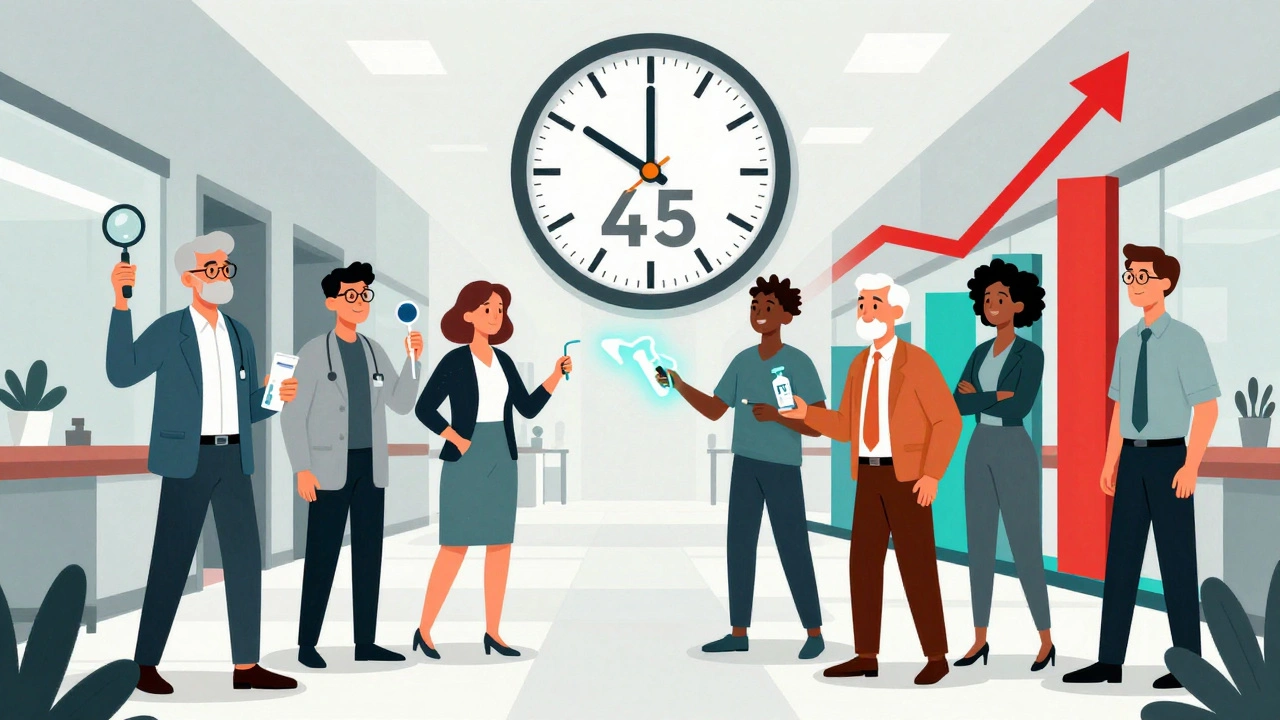
It’s not just for older adults. While most guidelines recommend starting at 45, people with a family history of colon cancer, inflammatory bowel disease, or certain genetic conditions may need to begin earlier. Even if you feel fine, skipping this test is like driving with your eyes closed—you might be fine today, but the risk keeps building. And it’s not just about cancer. colon polyps, abnormal growths that can become cancerous over time are found in nearly 1 in 3 adults over 50. Removing them during a colonoscopy cuts your risk of colon cancer by up to 80%.
Some people worry about the prep—drinking that salty liquid, skipping solid food the day before. It’s not fun, but it’s short. The procedure itself? You’re asleep. Most people wake up with no memory of it and go home the same day. The real risk isn’t the test—it’s not getting it. Colon cancer is the third leading cause of cancer deaths in the U.S., but it’s also one of the most preventable. If you’ve been putting off your colonoscopy screening, now is the time. The posts below cover everything from what to expect during prep, how to handle anxiety, what doctors look for, and why some people need more frequent tests than others. You’ll also find real advice on managing side effects, understanding results, and knowing when to talk to your doctor about alternatives. This isn’t just medical info—it’s life-saving clarity.