CYP3A4: What It Is, Why It Matters for Your Medications
When you take a pill, your body doesn’t just absorb it and call it a day. CYP3A4, a key enzyme in the liver that breaks down more than half of all prescription and over-the-counter drugs. Also known as cytochrome P450 3A4, it’s the main workhorse your body uses to process medications before they’re eliminated. If CYP3A4 is working too fast, your drug might not stick around long enough to help. If it’s slowed down, that same drug could build up to dangerous levels. This isn’t theory—it’s why some people get sick from normal doses while others need way more to feel anything.
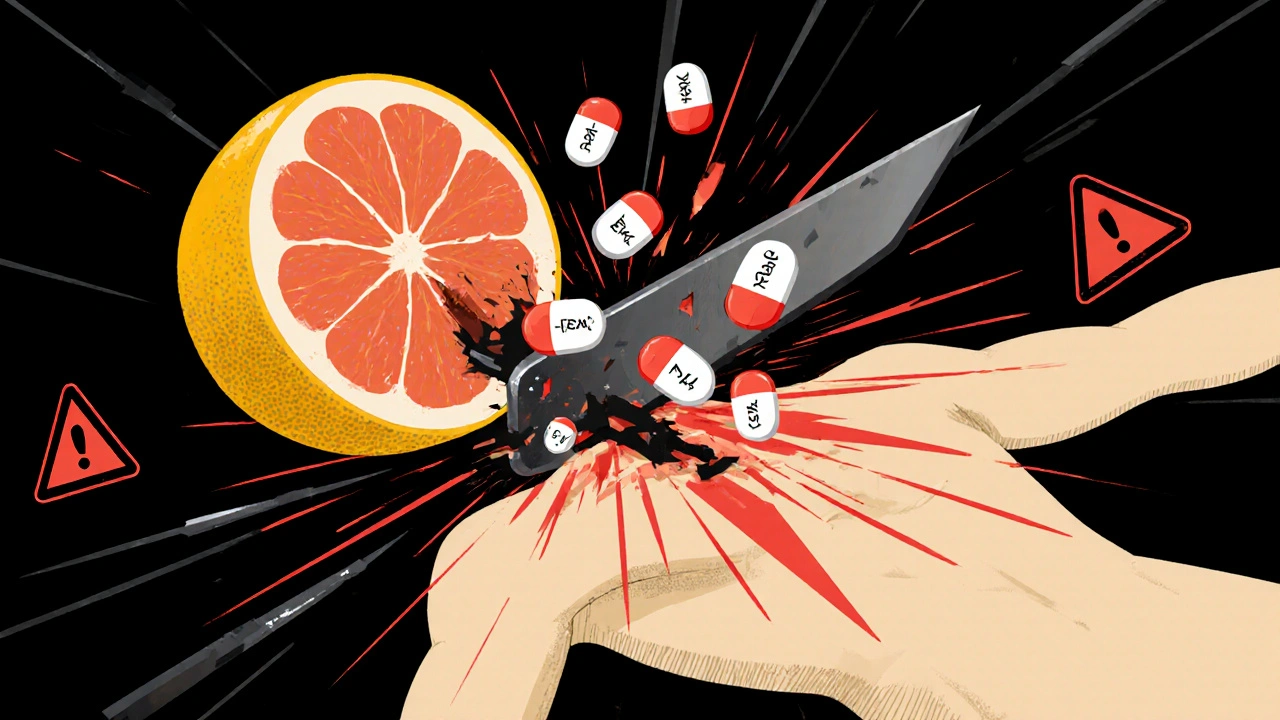
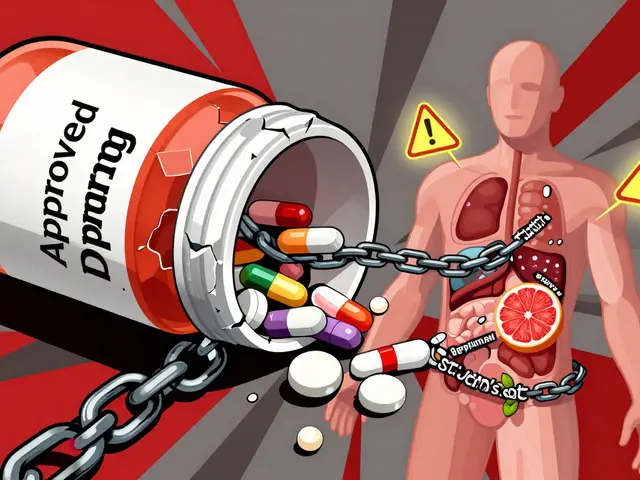
CYP3A4 doesn’t work alone. It’s constantly being influenced by other things you take or eat. Grapefruit juice? It shuts down CYP3A4, which is why your doctor warns you not to drink it with certain statins or blood pressure meds. St. John’s wort? It turns CYP3A4 up to full blast, making birth control, antidepressants, or even heart meds less effective. Even some antibiotics and antifungals can mess with it. This enzyme is why a simple supplement can turn a safe drug into a risk. It’s also why your pharmacist asks what else you’re taking—not because they’re being thorough, but because they’re trying to stop a hidden interaction before it hurts you.
It’s not just about what you add. Your genes decide how much CYP3A4 you make. Some people have a version that’s super active—meaning they need higher doses. Others have a slower version and are at risk of side effects even at low doses. That’s why two people taking the same pill can have completely different experiences. And when you’re on multiple meds, the chances of a clash go up fast. Think about it: if you’re on a cholesterol drug, a painkiller, and a sleep aid—all processed by CYP3A4—you’re stacking up potential conflicts. That’s not luck. That’s biology.
What you’ll find in the posts below are real-world examples of how CYP3A4 shows up in daily health decisions. From how melatonin interacts with sleep meds, to why ginseng can drop your blood sugar too far when you’re on diabetes pills, to why splitting pills can be risky if the drug’s absorption depends on enzyme activity—these aren’t random stories. They’re all connected by the same invisible force: CYP3A4. You don’t need to be a scientist to understand this. You just need to know that your body has a built-in filter, and sometimes, what you think is harmless can throw it off.