Dementia Risk Medications: What Drugs May Increase Cognitive Decline
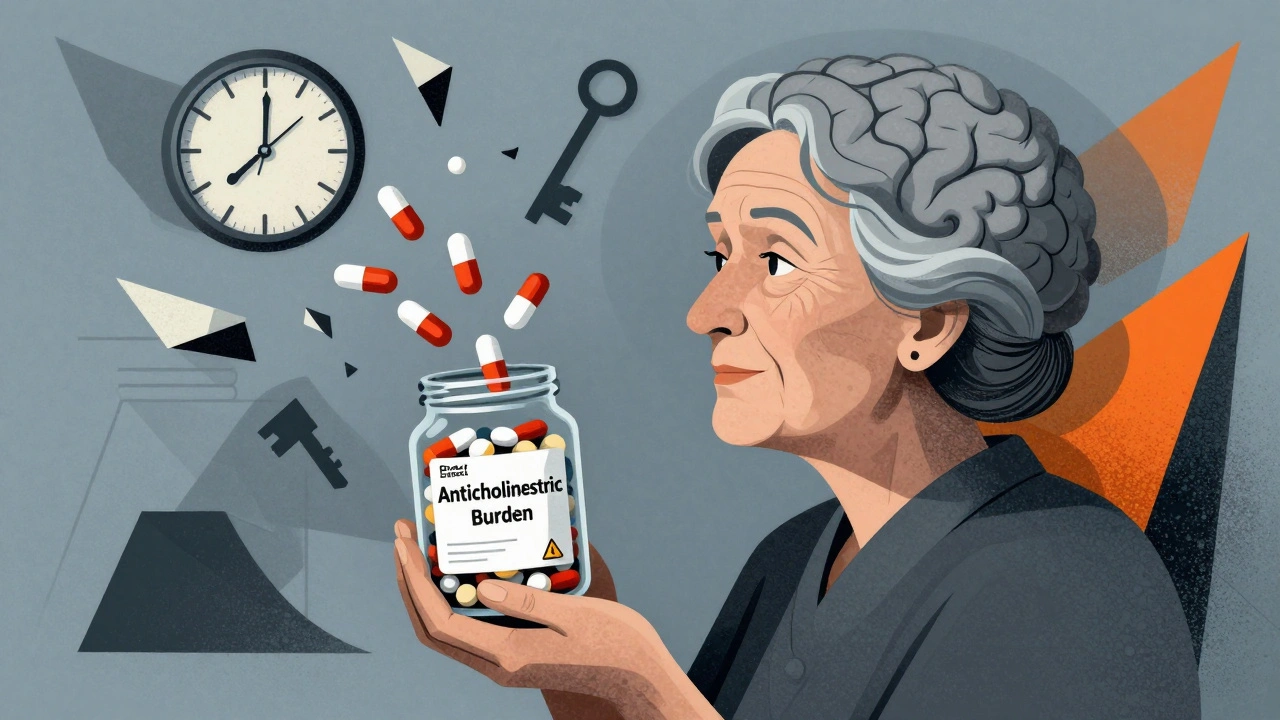
When you take a medication for high blood pressure, insomnia, or allergies, you might not think about your brain. But some commonly prescribed drugs are linked to higher dementia risk medications. These aren’t rare side effects—they’re well-documented patterns seen in large studies. For example, long-term use of anticholinergics, a class of drugs that block acetylcholine, a brain chemical critical for memory and learning—found in many sleep aids, antidepressants, and bladder meds—has been tied to a 50% higher chance of dementia over 10 years. It’s not about one pill. It’s about what builds up over time.
Another group to watch: benzodiazepines, sedatives often prescribed for anxiety or sleep, like diazepam or lorazepam. Even short-term use can disrupt memory formation, and regular use over months increases dementia risk. The brain doesn’t recover quickly from this kind of chemical interference. Then there’s the debate around statins, cholesterol-lowering drugs that some claim protect the brain, while others show they may reduce brain cholesterol too much, affecting cell function. The science isn’t settled, but if you’re on statins and notice memory fog, it’s worth talking to your doctor—not stopping cold, but reviewing if it’s still needed.
These aren’t scare tactics. They’re red flags built into real patient data. Many people take these meds for years without knowing the potential cost to their cognition. The good news? You don’t have to accept this trade-off. Alternatives exist for almost every one of these drugs. For sleep, cognitive behavioral therapy beats long-term benzodiazepines. For overactive bladder, pelvic floor exercises or newer non-anticholinergic options are available. For anxiety, SSRIs often work better long-term than benzos. The key is asking: Is this pill still helping me—or is it just sitting there, quietly eroding my brain’s resilience?
Below, you’ll find real cases from people who’ve faced these choices. Some discovered their memory issues were tied to a medication they’d been on for a decade. Others found safer paths after their doctor reviewed their full list. You don’t need to guess what’s risky. The answers are already out there—just hidden in plain sight among your pill bottles.