Injectables Cost Reduction: How to Save Money on Injectables Without Compromising Safety
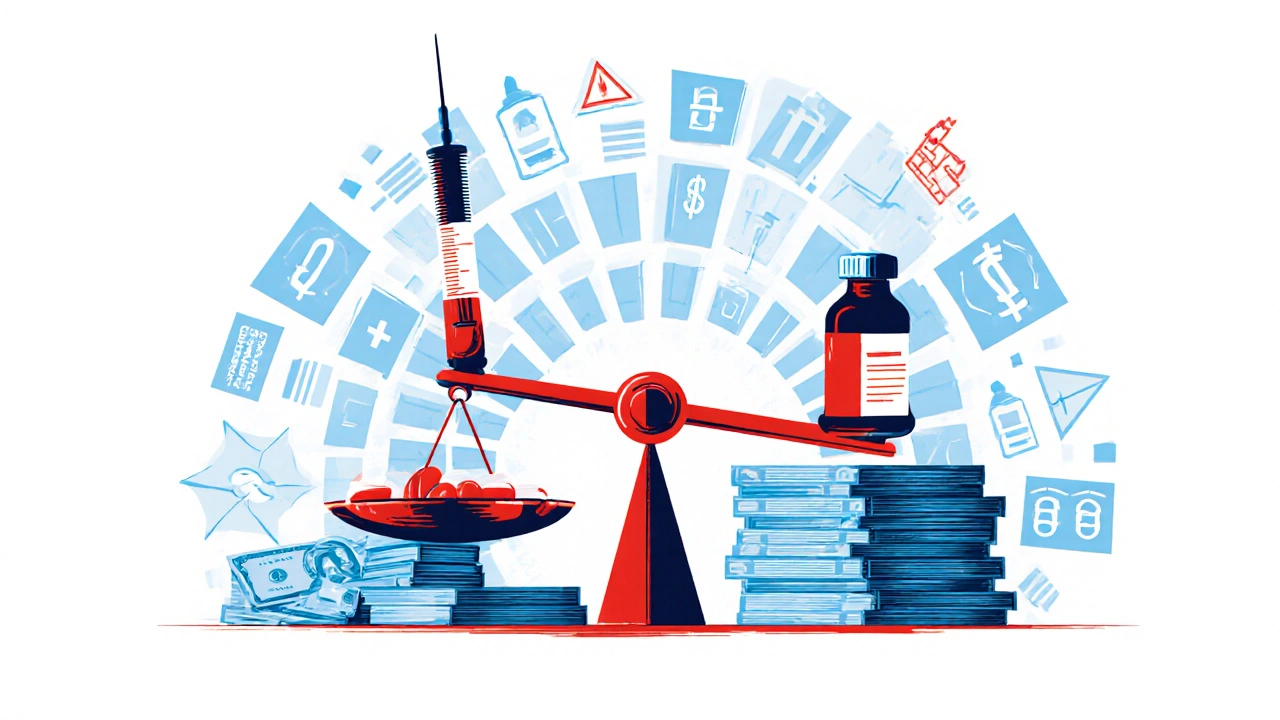
When you need injectables, medications delivered by needle or pen, often for chronic conditions like diabetes, autoimmune diseases, or hormonal imbalances. Also known as parenteral drugs, they’re essential for millions—but their prices can be shocking. Whether it’s insulin, Botox, biologics, or vitamin B12 shots, the out-of-pocket cost can make people skip doses, split vials, or skip refills entirely. That’s not just risky—it’s dangerous. But there are real, safe ways to bring those costs down.
Generic injectables, FDA-approved versions of brand-name drugs with the same active ingredient, dosage, and effect. Also known as biosimilars for complex biologics, they’re often 30% to 80% cheaper. For example, generic insulin like NPH or lispro can cost under $25 a vial at some pharmacies, while brand names run over $100. The same goes for medications like epinephrine auto-injectors—generic versions are available and just as effective. But here’s the catch: not all injectables have generics. Some, like certain biologics for rheumatoid arthritis or multiple sclerosis, are still under patent. That’s where patient assistance programs, free or low-cost drug access offered by manufacturers for qualifying low-income patients. Also known as copay cards or foundation grants come in. Companies like Eli Lilly, Novo Nordisk, and AbbVie run these programs. You don’t need to be broke to qualify—many accept incomes up to 500% of the federal poverty level.
Don’t overlook compounding pharmacies, specialty pharmacies that mix custom doses or formulations. Also known as custom injectables, they can sometimes offer cheaper alternatives for drugs like semaglutide or testosterone. For instance, a compounded version of a pricey GLP-1 agonist might cost half as much as the branded version. But always verify the pharmacy is licensed and follows USP standards. Also, check if your insurance covers compounded meds—many don’t. And never buy injectables from unverified online sellers. The risk of counterfeit or contaminated products is real.
There’s also a quiet trick: switching delivery methods. Some drugs, like insulin, come in pens, vials, or pumps. Buying vials and using syringes instead of pens can slash costs by hundreds per month. Same with Botox—some clinics offer group discounts or loyalty programs. Others let you buy in bulk. Even small changes like asking your provider for samples, checking GoodRx coupons, or using mail-order pharmacies can add up.
Below, you’ll find real guides from people who’ve navigated these exact issues. From how to safely split insulin vials to understanding when a generic injectable is truly equivalent, these posts give you the facts—not the fluff. You’ll learn how to spot hidden costs, avoid dangerous shortcuts, and use legal, proven strategies to keep your treatment affordable without putting your health at risk.