Migraine Treatment: Effective Options, Triggers, and What Actually Works
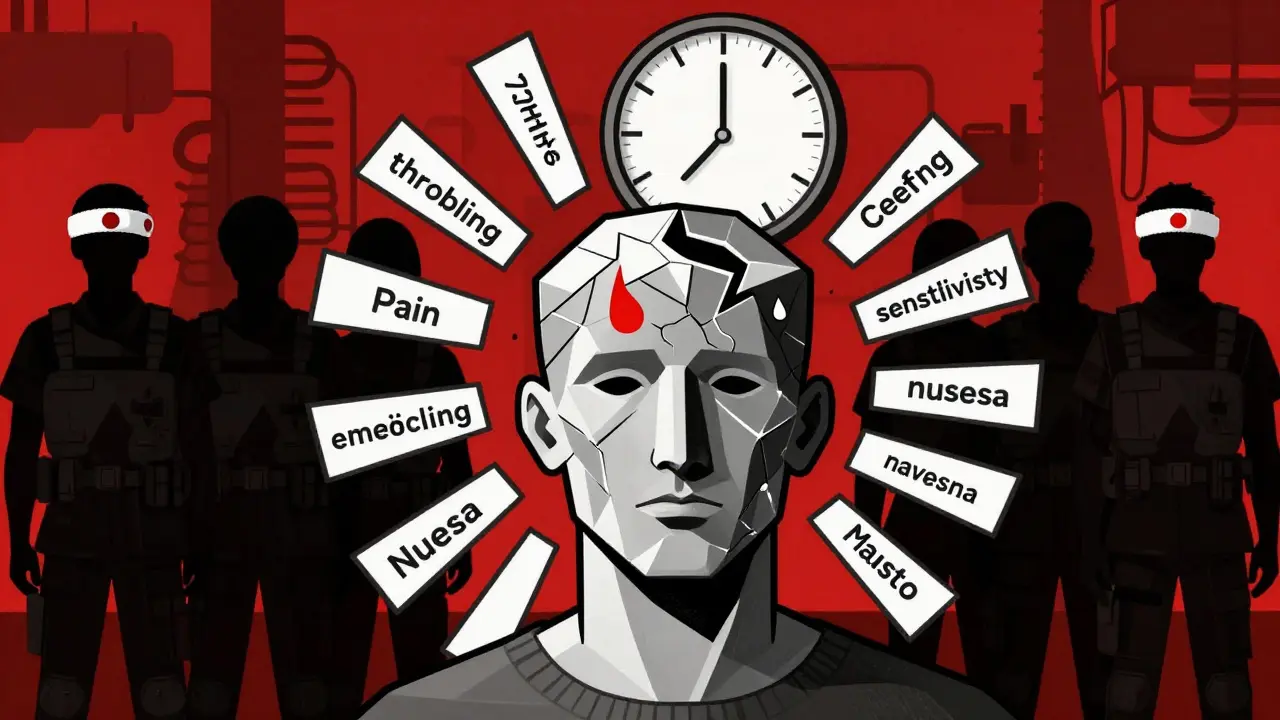
When you have a migraine, a severe, often disabling headache that can last hours or days, usually with nausea, light sensitivity, and sometimes visual disturbances. Also known as neurovascular headache, it’s not just a bad headache—it’s a neurological event that disrupts your life. Many people try over-the-counter painkillers and hope it goes away, but that’s like putting a bandage on a broken bone. Migraine treatment isn’t one-size-fits-all. What works for one person might do nothing for another, and some common triggers—like sleep changes, stress, or even certain foods—are easy to miss until you connect the dots.
Effective migraine medication, prescription drugs designed to prevent or stop migraine attacks, including triptans, CGRP inhibitors, and preventive beta blockers can make a huge difference, but only if used correctly. For example, taking a triptan too late in an attack often means it won’t work at all. Preventive meds like topiramate or propranolol aren’t meant to be taken when pain hits—they’re daily tools to reduce frequency. And if you’re on daily painkillers, you might be causing rebound headaches without realizing it. migraine triggers, specific factors that set off a migraine episode, such as hormonal shifts, bright lights, strong smells, or skipped meals are just as important to track. Keeping a simple log—what you ate, how much you slept, your stress level—can reveal patterns your doctor might miss.
There’s also growing evidence that lifestyle changes aren’t just "nice to have"—they’re part of the treatment plan. Regular sleep, consistent meals, hydration, and even controlled exercise can cut attack frequency by half for many people. But don’t fall for miracle cures. Magnesium, riboflavin, and butterbur have some backing in studies, but they’re not magic pills. And if you’re using essential oils or acupuncture as your main defense, you’re probably leaving serious relief on the table.
The posts below cover real-world strategies that actually help people manage migraines—not just theory, but what works in daily life. You’ll find guides on avoiding dangerous drug interactions, reading medication labels for overdose risks, and even how supplements like melatonin might affect your headaches. Some posts talk about how other conditions—like high blood pressure or jaw issues—can mimic or worsen migraines. Others show how to talk to your doctor about treatment options without sounding like you’re just asking for a prescription. This isn’t about quick fixes. It’s about building a plan that fits your life, so you’re not just surviving attacks, but reducing them.