Opioid Sparing: Reduce Pain Medication Risks Without Losing Relief
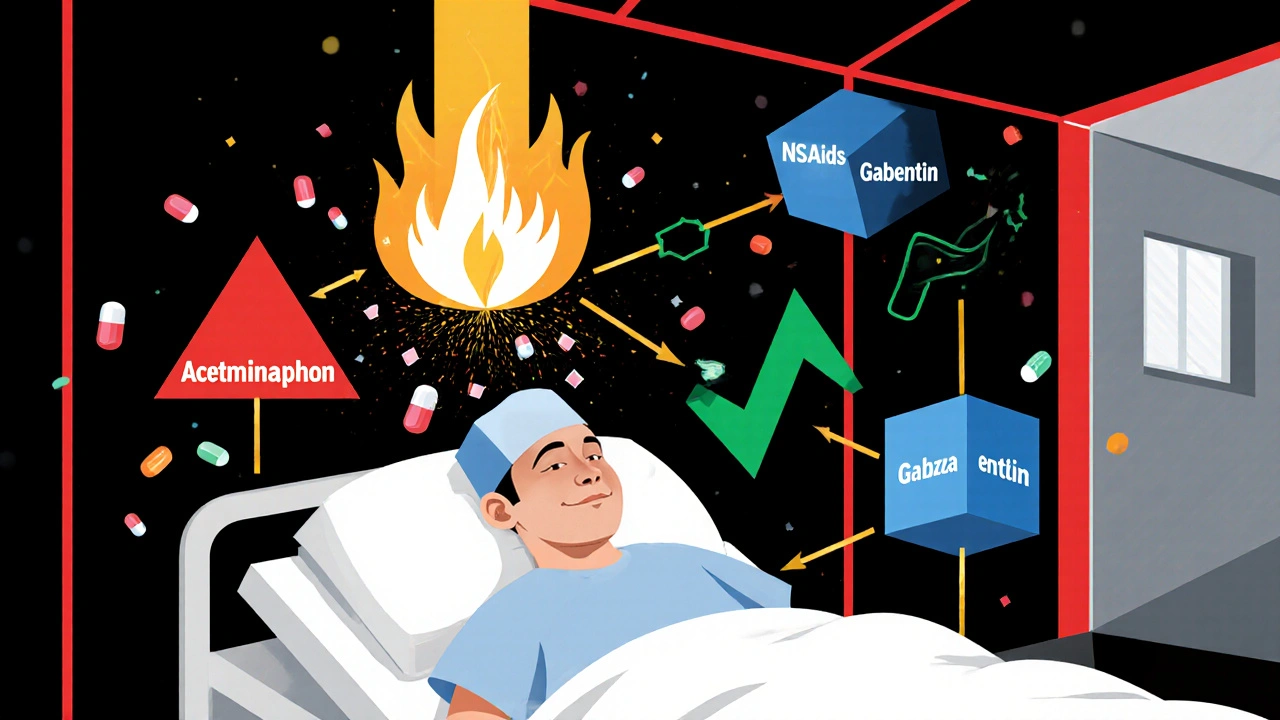
When you need pain relief, opioid sparing, a strategy to minimize or avoid opioid use while still controlling pain. Also known as non-opioid pain management, it’s not about going without relief—it’s about getting better, safer results. This approach is backed by hospitals, clinics, and guidelines that now push for it as standard practice because opioids carry real risks: addiction, breathing problems, and long-term tolerance that makes pain harder to treat. Opioid sparing doesn’t mean you’re stuck with weak meds. It means using smarter combinations—like combining anti-inflammatories, nerve-targeting drugs, physical therapy, and even certain supplements—to do the job without relying on opioids as the first or only tool.
One key player in opioid sparing is multimodal analgesia, using multiple types of pain treatments that work together to block pain signals in different ways. This isn’t guesswork—it’s science. For example, combining acetaminophen with an NSAID like ibuprofen can reduce opioid needs by up to 50% after surgery. Add in local anesthetics, gabapentin for nerve pain, or even cold therapy, and you’re stacking tools that reduce the body’s need for opioids. Another related concept is non-opioid pain relief, any treatment that manages pain without activating opioid receptors in the brain. This includes physical methods like acupuncture, cognitive behavioral therapy for chronic pain, and even certain vitamins like B12 or magnesium that help calm overactive nerves. These aren’t fringe ideas. They’re used daily in ERs, orthopedic clinics, and even in post-op recovery plans that prioritize patient safety.
You’ll find real examples in the posts below: how to avoid dangerous drug interactions with common pain meds, how to safely stop certain medications without rebound pain, how topical treatments can replace oral pills, and how simple habits like bringing your pill bottles to appointments can prevent dangerous mix-ups. These aren’t theoretical tips—they’re tactics real people use to cut opioid use and stay in control of their health. Whether you’re managing post-surgery pain, chronic back issues, or recovering from an injury, the goal is the same: get relief without the risks. What follows is a collection of practical, evidence-backed strategies that show you how to do exactly that.