Rheumatoid Arthritis: Causes, Treatments, and Medication Safety Tips
When your body turns against itself, it can lead to rheumatoid arthritis, a chronic autoimmune disease where the immune system mistakenly attacks the lining of the joints. Also known as RA, it doesn’t just cause swelling and pain—it can damage bones, cartilage, and even organs over time. Unlike regular joint wear and tear, rheumatoid arthritis flares up unpredictably, often hitting hands, wrists, and knees first. It’s not just about aging—it can start in your 30s or 40s, and women are three times more likely to get it than men.
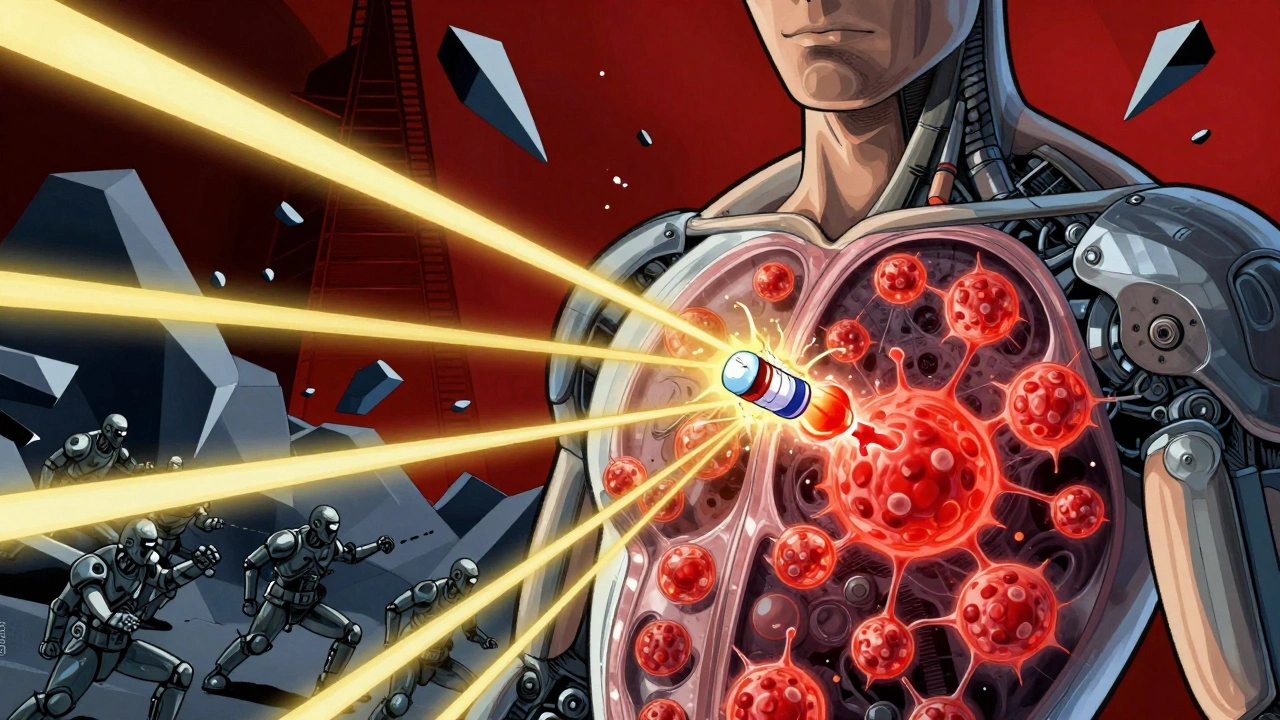
This condition doesn’t live in isolation. It’s closely tied to immunosuppressants, medications that calm down the overactive immune system, like methotrexate, biologics, and steroids. These drugs help stop joint damage, but they also make you more vulnerable to infections. That’s why people with rheumatoid arthritis need to be extra careful about things like flu shots, handwashing, and avoiding sick contacts. Many also take medication safety, the practice of tracking drug interactions, avoiding dangerous combinations, and knowing when to ask for help seriously—because mixing RA meds with things like grapefruit juice or NSAIDs can backfire badly.
Managing rheumatoid arthritis isn’t just about popping pills. It’s about understanding how your body reacts, spotting early signs of side effects, and working with your doctor to adjust treatment before things get worse. You might need to monitor liver function, check for signs of nerve damage, or watch for jaw pain that could signal osteonecrosis. Some people find relief through physical therapy, diet changes, or stress reduction—but the core of treatment still leans on targeted drugs that block the immune system’s attack.
What you’ll find below isn’t a generic list of RA facts. It’s a collection of real, practical advice from people who’ve lived with this condition—or helped treat it. You’ll read about how immunosuppressants increase infection risk, why medication reviews matter when you’re on multiple drugs, and how to avoid dangerous interactions that could make your RA worse instead of better. These aren’t theoretical tips. They’re the kind of details that keep you out of the ER and help you keep moving.