Rizatriptan: What It Is, How It Works, and What You Need to Know
When a migraine hits, time matters. Rizatriptan, a selective serotonin receptor agonist used to treat acute migraine attacks. Also known as a triptan, it works by narrowing blood vessels around the brain and blocking pain pathways — not by dulling all sensation, but by targeting the root of the attack. Unlike painkillers that just mask symptoms, Rizatriptan stops migraines in motion. It’s not for everyday headaches. It’s for the kind that makes you cancel plans, turn off the lights, and lie still for hours.
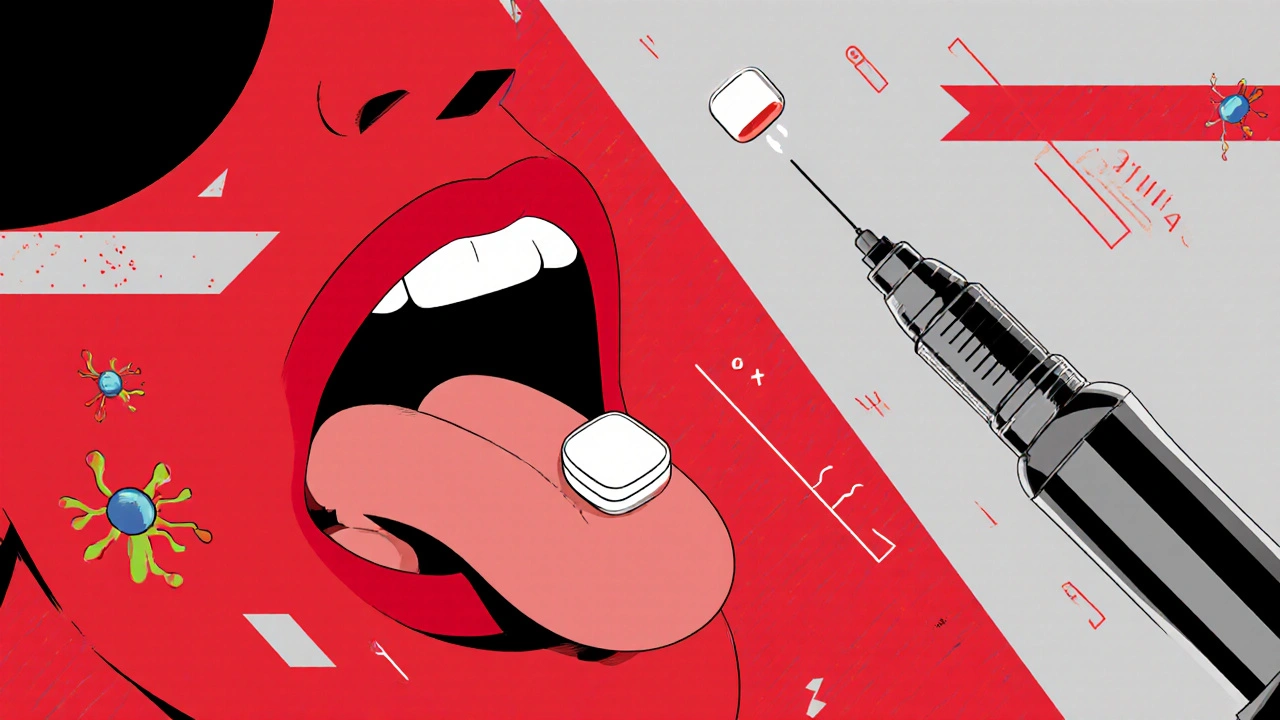
Rizatriptan is one of several triptan medications, a class of drugs designed specifically for migraine relief. Others include sumatriptan, zolmitriptan, and eletriptan — but Rizatriptan stands out for how fast it works. Many people feel relief within 30 minutes, and over half report being pain-free within two hours. It comes in tablet form or as a dissolving wafer, so you don’t even need water if you’re too nauseous to swallow. But it’s not a cure. It’s a rescue tool. And like any rescue tool, it only works if you use it right — early, and only when you’re sure it’s a migraine.
Not everyone can take Rizatriptan. If you have heart disease, uncontrolled high blood pressure, or a history of stroke, your doctor will likely say no. It shouldn’t be used with other migraine meds like ergotamines or other triptans in the same 24 hours. And if you’re on antidepressants — especially SSRIs or SNRIs — there’s a small but real risk of serotonin syndrome. That’s why reading the medication guide, the official document that lists risks, side effects, and what to do in an emergency isn’t optional. It’s your safety net.
People who use Rizatriptan regularly often learn to track their triggers — stress, sleep loss, certain foods, weather changes. Some notice it works better when taken at the first sign of aura. Others find it fails if they wait too long. That’s why the posts below cover more than just the drug itself. You’ll find guides on how to bring your pill bottles to appointments for accurate medication reconciliation, how to spot when a migraine is actually something more serious, and how to avoid dangerous interactions with other meds. There’s also advice on how to read overdose warnings, manage side effects, and know when to call your doctor instead of popping another pill.
Whether you’ve been using Rizatriptan for years or are just starting out, this collection gives you the real talk — no fluff, no marketing, just what works and what to watch for. You’re not just taking a pill. You’re managing a condition. And knowing how this drug fits into the bigger picture makes all the difference.