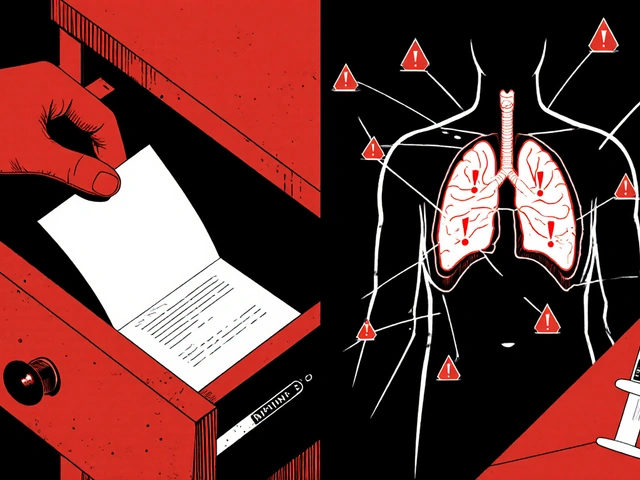
Why Your Inhaler Isn't Enough
You take your inhaler. You feel better. Then you sneeze, your chest tightens again, and the cycle repeats. If this sounds familiar, you might be dealing with asthma-allergy overlap, a condition where allergic triggers fuel persistent airway inflammation. It’s not just "bad luck" or a weak immune system. It’s a specific biological mechanism that requires a different approach than standard asthma care.
About 60% of adults with asthma have allergic asthma. That means for most people, their breathing problems are directly tied to things like pollen, dust mites, pet dander, or mold. The Global Initiative for Asthma (GINA) calls this the most common type of asthma. But here’s the catch: treating only the symptoms without addressing the allergy is like mopping the floor while the faucet is still running. To truly control your breathing, you need to understand how these two conditions interact.
The Biology Behind the Breathlessness
To manage asthma-allergy overlap, you first need to know what’s happening inside your lungs. When someone with non-allergic asthma has an attack, it’s often triggered by exercise, cold air, or stress. But in allergic asthma, the trigger is an IgE-mediated response.
Here’s how it works:
- Your body mistakenly identifies a harmless substance (like cat dander) as a threat.
- Your immune system produces antibodies called IgE.
- These IgE antibodies attach to mast cells in your airways.
- When you encounter the allergen again, those mast cells release histamine and other chemicals.
- This causes swelling, mucus production, and muscle tightening around your airways-classic asthma symptoms.
This process involves eosinophilic inflammation, where a specific type of white blood cell plays a major role. Understanding this helps explain why some treatments work better than others. For example, inhaled corticosteroids reduce this inflammation, but they don’t stop the initial allergic reaction. That’s why adding allergy-specific treatments can make a huge difference.
Spotting the Signs: Is It Allergy-Driven?
Not all asthma is created equal. How do you know if yours is linked to allergies? Look for these patterns:
- Seasonal spikes: Do you get worse in spring or fall when pollen counts rise?
- Environmental triggers: Does cleaning, visiting a friend with pets, or staying in an old house make you wheeze?
- The "Allergic March": Did you have eczema or hay fever as a child? GINA notes that allergic asthma often follows this progression.
- Poor response to standard meds: Are you using your rescue inhaler more than twice a week despite taking daily controllers?
If you answered yes to any of these, you likely have undiagnosed allergic triggers. Dr. Robert Lemanske, former president of the American Academy of Allergy, Asthma, and Immunology (AAAAI), says failing to address underlying allergies is the single biggest reason asthma stays uncontrolled. About 30% of patients with poorly managed asthma have hidden allergic triggers they never tested for.
Diagnosis: Beyond the Spirometry Test
A spirometry test measures how much air you can blow out and how fast. It’s essential for diagnosing asthma, but it doesn’t tell you *why* you have asthma. To confirm asthma-allergy overlap, you need allergy testing.
There are two main types:
| Test Type | How It Works | Accuracy | Time Required |
|---|---|---|---|
| Skin Prick Test | Small amounts of allergens are pricked into the skin to check for reactions. | 95% sensitivity for common aeroallergens | 20-30 minutes |
| Specific IgE Blood Test | Measures levels of IgE antibodies against specific allergens in your blood. | Highly accurate; useful if skin tests aren’t possible | Results in 1-3 days |
Skin prick testing is considered the gold standard. It’s quick, cheap, and gives immediate results. If you’re on antihistamines, you’ll need to stop them a few days before the test. Blood tests are better if you have severe eczema or can’t stop your medications. Once you identify your triggers, you can start building a targeted management plan.

Treatment Strategy 1: Environmental Control
Before prescribing new drugs, doctors recommend reducing exposure. This isn’t just about "cleaning more." It’s about strategic avoidance based on your specific triggers.
For Dust Mites: Use allergen-proof covers on pillows and mattresses. Wash bedding weekly in hot water (above 130°F). Keep indoor humidity below 50%. A HEPA-filter vacuum cleaner reduces dust mite allergens by 85% when used weekly.
For Pet Dander: Keep pets out of the bedroom. Use high-efficiency air purifiers. Bathe pets regularly if tolerated. One patient reported cutting rescue inhaler use from four times a week to once a month just by keeping their cat out of the bedroom.
For Pollen: Check local pollen forecasts. Keep windows closed during high-count days. Shower after being outdoors to rinse off pollen. Apps like Allergy Alert provide hyperlocal data that’s more reliable than general weather reports.
Environmental control takes 2-4 weeks to show full effect. It’s not instant, but it reduces the overall burden on your immune system, making other treatments work better.
Treatment Strategy 2: Medications and Biologics
Standard asthma meds include inhaled corticosteroids (ICS) and bronchodilators. For allergic asthma, these are usually effective, but sometimes you need more.
Leukotriene Modifiers: Drugs like montelukast block chemicals involved in both allergy and asthma responses. They’re oral pills, which some patients prefer over extra inhalers.
Biologic Therapies: If your asthma is severe and not controlled by high-dose steroids, biologics may help. These are injectable drugs that target specific parts of the immune system.
- Omalizumab (Xolair): Targets IgE. Reduces exacerbations by 50% in allergic asthma patients.
- Dupilumab (Dupixent): Blocks IL-4 and IL-13 pathways. Effective for moderate-to-severe eosinophilic asthma.
- Tezepelumab (Tezspire): Approved in 2021, it works for both allergic and non-allergic asthma, reducing exacerbations by 56%.
Biologics cost $25,000-$35,000 annually. They’re powerful but reserved for severe cases due to cost and administration requirements. Always discuss insurance coverage and prior authorization steps with your specialist.
Treatment Strategy 3: Allergen Immunotherapy
This is the closest thing we have to a "cure" for allergic asthma. Unlike medications that mask symptoms, immunotherapy changes how your immune system reacts over time.
How It Works: You receive gradually increasing doses of your specific allergens. This can be done via:
- Subcutaneous Immunotherapy (SCIT): Regular shots at a clinic. Requires 3-5 years of treatment.
- Sublingual Immunotherapy (SLIT): Tablets or drops placed under the tongue. Available for grass, ragweed, and dust mites. Can be taken at home after the first dose.
Benefits:
- Reduces asthma symptoms by 40-60%.
- Lowers medication needs long-term.
- Prevents development of new allergies.
- Saves approximately $1,200 annually per patient in reduced medication costs compared to biologics.
Challenges: The first 3-6 months involve a build-up phase where symptoms might temporarily worsen. Consistency is key-missing doses reduces effectiveness. About 31% of patients quit within the first year due to inconvenience, but those who stick with it see lasting benefits.

Real-Life Management: What Patients Experience
Data from support communities shows mixed but generally positive outcomes. On the Asthma and Allergy Foundation of America (AAFA) forum, 68% of users with documented allergic asthma reported significant improvement after identifying triggers. However, 52% of Reddit users complained about insurance barriers, with out-of-pocket testing costs averaging $250-$400.
Patient reviews highlight that immunotherapy takes patience. One user said, "After 2 years of allergy shots for dust mites, I’ve cut my steroid inhaler dose by half and haven’t needed oral steroids in 18 months." Another noted the frustration of the initial phase: "The first six months were tough, but now I breathe easier than I have in decades."
Future Directions: Precision Medicine
The field is moving toward personalized treatment. The 2023 GINA guidelines introduced the concept of "allergic endotypes," using biomarkers like blood eosinophil counts and fractional exhaled nitric oxide (FeNO) to predict which treatments will work best for you. For example, if your eosinophil count is above 300 cells/μL, you’re likely to respond well to both ICS and biologics.
Research is also exploring combination therapies. A 2023 study showed that combining immunotherapy with dupilumab produced 75% greater improvement in asthma control than either treatment alone. Multi-allergen tablets targeting several triggers at once are in late-stage trials, promising simpler regimens for patients with multiple sensitivities.
Next Steps for You
If you suspect asthma-allergy overlap, don’t just adjust your inhaler. Take these steps:
- Track your symptoms: Note when and where flare-ups happen. Look for patterns related to seasons, locations, or activities.
- See an allergist: Primary care doctors often miss allergic components. An allergist can perform comprehensive testing.
- Discuss long-term options: Ask about immunotherapy if you’re tired of daily medications. Ask about biologics if your asthma is severe.
- Optimize your environment: Start with one major trigger (e.g., dust mites) and implement strict controls.
Managing asthma-allergy overlap isn’t about finding a magic bullet. It’s about layering strategies-avoidance, medication, and immune modulation-to calm the inflammation that keeps you sick. With the right plan, you can break the cycle and breathe freely again.
What is the difference between allergic asthma and non-allergic asthma?
Allergic asthma is triggered by external allergens like pollen or pet dander, causing an IgE-mediated immune response. Non-allergic asthma is triggered by factors like exercise, cold air, or stress, and does not involve an allergic immune reaction. Allergic asthma typically starts in childhood, while non-allergic asthma often develops in adulthood.
How long does allergen immunotherapy take to work?
Immunotherapy typically requires 3 to 5 years of treatment. Most patients notice significant improvement by the second year. The initial 3-6 months involve a build-up phase where symptoms may temporarily worsen before improving.
Are biologic therapies safe for everyone with allergic asthma?
Biologics are generally safe but are reserved for moderate-to-severe cases due to cost and administration complexity. They target specific inflammatory pathways and require careful monitoring. Not all patients respond equally, so testing for biomarkers like eosinophil counts helps determine suitability.
Can I manage asthma-allergy overlap without seeing a specialist?
While environmental controls can help, proper diagnosis requires allergy testing performed by an allergist. Without identifying specific triggers, you may miss effective treatments like immunotherapy. Primary care doctors often lack the tools for comprehensive allergy evaluation.
Does insurance cover allergy testing and immunotherapy?
Coverage varies widely. Many plans cover diagnostic testing if medically necessary, but immunotherapy and biologics often require prior authorization. Out-of-pocket costs for testing can range from $250 to $400. Check with your provider and insurer for specific details.