Emotional Blunting Assessment Tool
Your Assessment Result
Likelihood of Emotional Blunting
Recommended Next Steps:
You finally found an antidepressant that stopped the crushing weight of depression. The panic attacks faded. The insomnia lifted. But then something else happened. You didn't feel happy, but you also didn't feel sad. You watched a movie that used to make you cry, and nothing happened. Your partner said something hurtful, and instead of anger or sadness, you felt... nothing. Just a flat, gray static.
This isn't your imagination. It’s called emotional blunting, and it is one of the most common-and most misunderstood-side effects of Selective Serotonin Reuptake Inhibitors (SSRIs). While these medications are life-saving for millions, they come with a trade-off for many users: a reduction in emotional range. This article breaks down why this happens, how to tell if it's the medication or residual depression, and exactly what steps you can take to get your feelings back without sacrificing your mental stability.
What Is Emotional Blunting?
Emotional blunting, sometimes referred to clinically as 'SSRI-induced indifference,' is a state where a person experiences a diminished capacity to feel both positive and negative emotions. It is not just about feeling less depressed; it is about feeling less *alive* emotionally.
Formally recognized in psychiatric literature around the year 2000, this phenomenon was initially dismissed by some as simply 'not being depressed anymore.' However, patients consistently reported a distinct sensation of numbness, dullness, or detachment. According to research published in Frontiers in Psychiatry (2021), this affects approximately 40% to 60% of patients taking SSRIs or SNRIs (Serotonin-Noradrenaline Reuptake Inhibitors).
The key distinction here is between 'cold cognition' and 'hot cognition.' Cold cognition involves memory and logic, which SSRIs generally do not impair significantly. Hot cognition, however, involves emotional processing, moral judgment, and decision-making based on feelings. A landmark study by the University of Cambridge (2022) demonstrated that SSRIs interfere with reinforcement learning-the brain's ability to learn from rewards and punishments. This mechanistic explanation clarifies why users often describe a 'psychic flatness' where joy feels muted, but so does grief.
Signs You Are Experiencing Medication-Induced Numbness
Distinguishing between the relief of depression and the onset of emotional blunting can be tricky. Depression itself causes anhedonia (the inability to feel pleasure), so how do you know if the drug is causing the numbness? Look for these specific indicators:
- Loss of Spontaneous Emotion: You no longer laugh at jokes that used to be funny, nor do you cry at sad news. Your facial expressions may become flatter.
- Relationship Strain: Partners or family members comment that you seem distant, uncaring, or 'robot-like.' You might intellectually know you love them, but you cannot feel the warmth of that connection.
- Motivation Drop: Unlike the fatigue of depression, this is a lack of drive rooted in apathy. You don't care enough to start hobbies or projects because the anticipated reward feels nonexistent.
- Sexual Dysfunction Co-occurrence: Emotional blunting frequently travels with sexual side effects like low libido or anorgasmia, as both stem from serotonin modulation affecting dopamine pathways.
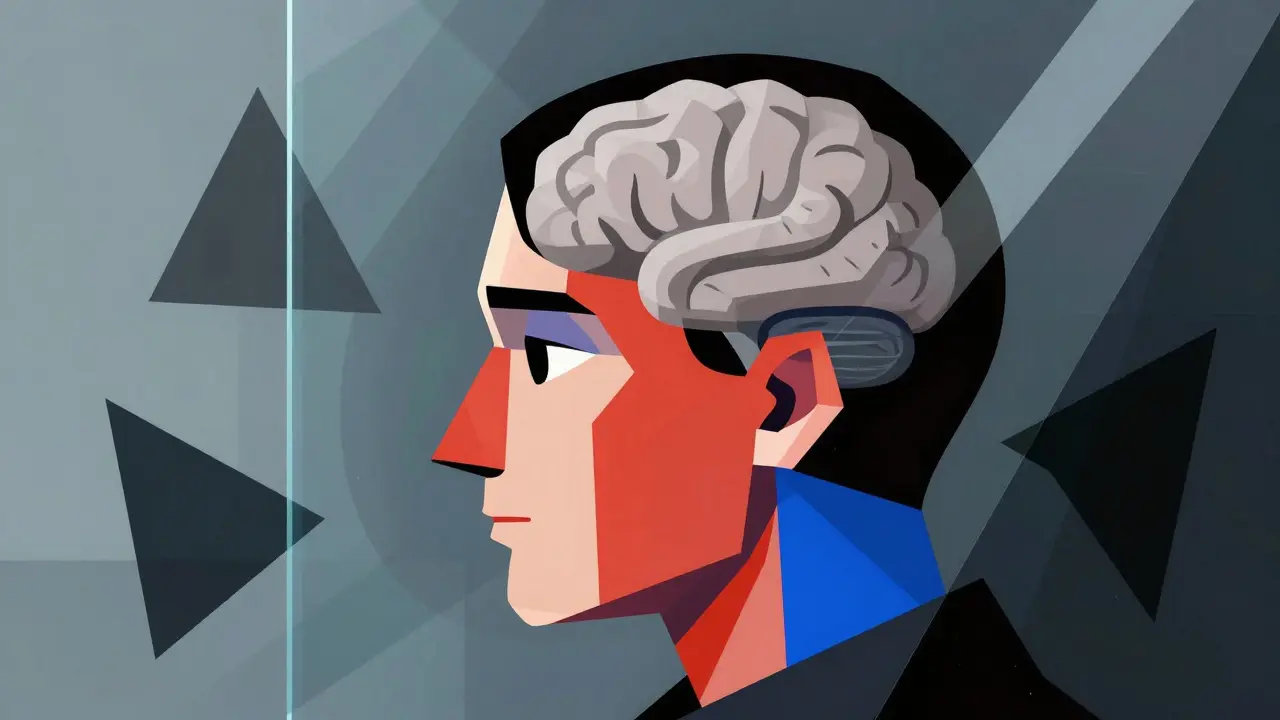
If you find yourself saying, "I'm stable, but I feel like I'm watching my life through a thick glass wall," you are likely experiencing blunting rather than successful treatment.
Why Does This Happen? The Science Behind the Static
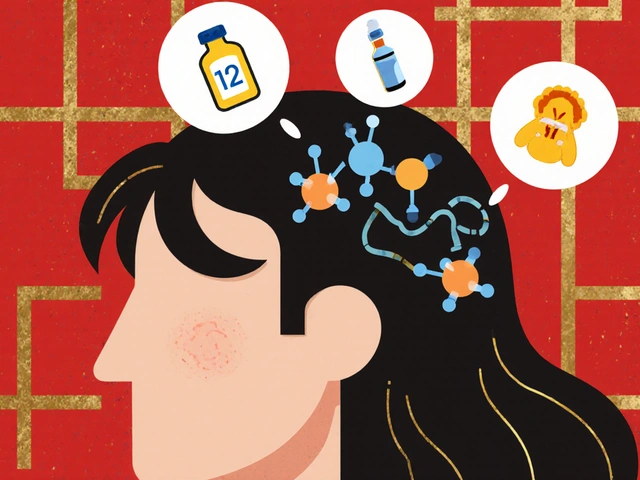
To understand the solution, we must look at the mechanism. SSRIs work by increasing the availability of serotonin in the synaptic cleft. Serotonin is crucial for mood regulation, but it also interacts with other neurotransmitters, particularly dopamine and norepinephrine.
Professor Barbara Sahakian of the University of Cambridge explained in her 2022 findings that SSRIs dampen the brain's sensitivity to rewards. Normally, when you achieve a goal, your brain releases dopamine, creating a sense of satisfaction. SSRIs can blunt this dopamine response. Essentially, the medication raises the floor (preventing deep despair) but also lowers the ceiling (preventing peak joy).
Dr. David Taylor from King's College London noted that this might not just be a side effect, but a fundamental part of how SSRIs work for some patients. By reducing emotional volatility, the brain stops reacting intensely to stressors. For someone with severe anxiety or trauma, this numbing can feel protective. However, for long-term wellness, this suppression of the full emotional spectrum is unsustainable.
Solutions: How to Regain Your Emotional Range
If you are struggling with emotional blunting, do not stop your medication abruptly. Doing so risks antidepressant discontinuation syndrome, which can cause severe physical and psychological withdrawal symptoms. Instead, follow these evidence-based strategies developed by the Psychopharmacology Institute.
1. Dose Reduction
Often, emotional blunting is dose-dependent. Higher doses correlate with increased risk of numbness. If your psychiatrist agrees that your depressive symptoms are well-controlled, try reducing your dose by 25% to 50%. Studies show this approach is effective in 68% of cases. Give it 4-6 weeks to assess changes. Many patients find a 'sweet spot' where they remain stable but regain their spark.
2. Switching to Bupropion
If lowering the dose isn't enough, switching medications is the next logical step. Bupropion (Wellbutrin) works differently-it inhibits the reuptake of norepinephrine and dopamine, not serotonin. Because it bypasses the serotonin system, it carries a much lower risk of emotional blunting (approximately 33% vs. 40-60% for SSRIs). A 2022 meta-analysis in the Journal of Clinical Psychiatry showed a 72% improvement rate in blunting symptoms when patients switched to Bupropion.
3. Augmentation Strategy
In some cases, doctors may add a low dose of Bupropion to your current SSRI regimen. This 'augmentation' can counteract the serotonergic blunting by boosting dopamine activity, allowing you to stay on the SSRI while regaining emotional depth. Success rates for this method hover around 63%.
4. Alternative Antidepressants
Other options include Vortioxetine, which has shown promise in improving cognitive and emotional processing, though data is still emerging. Mirtazapine and Agomelatine are also considered due to their different mechanisms (5-HT2C blockade), though clinical evidence varies.
| Medication Class | Primary Mechanism | Blunting Risk | Best For |
|---|---|---|---|
| SSRIs (e.g., Escitalopram, Sertraline) | Serotonin Reuptake Inhibition | High (40-60%) | Anxiety, OCD, Generalized Depression |
| SNRIs (e.g., Venlafaxine) | Serotonin & Norepinephrine | High (Similar to SSRIs) | Chronic Pain + Depression |
| Bupropion (NDRI) | Dopamine & Norepinephrine | Low (~33%) | Atypical Depression, Smoking Cessation |
| Vortioxetine | Multimodal Serotonin | Moderate/Low | Cognitive Symptoms of Depression |
Navigating the Conversation with Your Doctor
Many patients hesitate to report emotional blunting because they fear losing the stability their medication provides. However, untreated blunting leads to medication non-adherence. Data shows that emotional blunting is a primary reason over one-third of patients stop their meds entirely.
When you visit your provider, be specific. Don't just say "I feel off." Say: "I am experiencing emotional numbness. I cannot feel joy or sadness. It is affecting my relationships." Ask specifically about dose reduction or switching to a non-serotonergic agent like Bupropion. Remember, 22% of patients experience symptom recurrence when modifying regimens, so close monitoring during this transition is essential.
Conclusion: Finding Balance
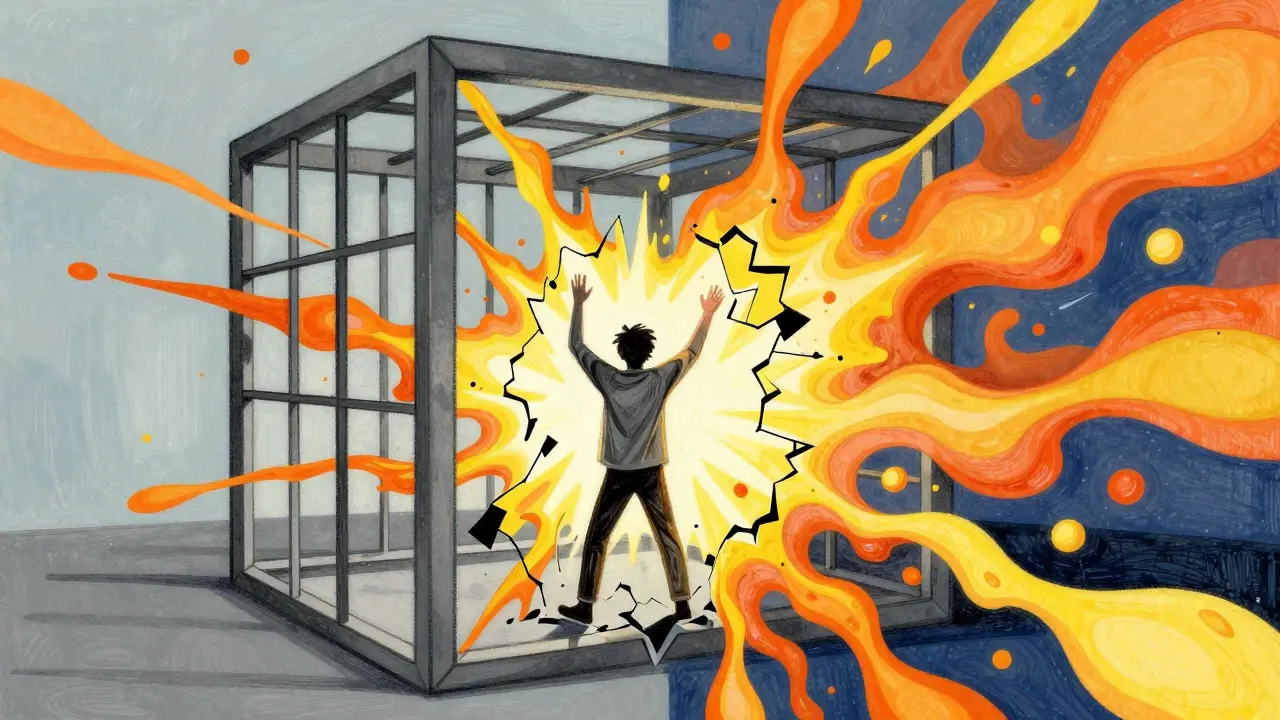
Emotional blunting is a valid and treatable medical issue, not a character flaw or a sign that you are 'broken.' It represents a mismatch between the medication's mechanism and your brain's need for emotional nuance. By understanding the science behind serotonin's impact on reward learning, you can advocate for a treatment plan that prioritizes not just the absence of pain, but the presence of feeling. Whether through dose adjustment, switching to Bupropion, or augmentation, there is a path back to a vibrant emotional life.
How long does it take for emotional blunting to go away after stopping SSRIs?
It typically takes 4 to 6 weeks for emotional blunting symptoms to resolve after adjusting or discontinuing the medication. However, this timeline varies based on the half-life of the specific drug and individual metabolism. Abrupt cessation is dangerous and should be avoided; always taper under medical supervision.
Is emotional blunting permanent?
No, emotional blunting is not permanent. It is a reversible side effect caused by the pharmacological action of the drug. Once the dosage is lowered or the medication is switched to one with a different mechanism (like Bupropion), emotional responsiveness usually returns.
Can therapy help with SSRI-induced emotional numbness?
Therapy alone cannot reverse the chemical blunting caused by SSRIs. However, once the medication is adjusted, therapy can help you reconnect with your emotions and process any suppressed feelings that emerged during the period of numbness. Cognitive Behavioral Therapy (CBT) can also help distinguish between residual depression and medication side effects.
Which SSRI causes the least emotional blunting?
Research suggests there is no significant difference in emotional blunting incidence between specific SSRIs like Escitalopram, Fluoxetine, or Sertraline. Therefore, switching from one SSRI to another rarely solves the problem. Switching to a different class of antidepressant, such as Bupropion, is more effective.
Is emotional blunting the same as depression?
They can feel similar, but they have different origins. Depression involves pervasive sadness, hopelessness, and guilt. Emotional blunting is characterized by a lack of reaction-neither sad nor happy. Some experts argue blunting can be a residual symptom of depression, but the Cambridge studies indicate it is largely driven by the medication's effect on reinforcement learning.




oh look another article telling us our brains are broken because we took a pill that was supposed to help. its not 'blunting' its just the universe reminding you that happiness is overrated and numbness is actually peace. i read this stuff and think wow, these people really need to stop trying so hard to feel everything all the time. maybe the static is the point? anyway good job writing this for people who cant handle their own feelings without a chemist involved :)
June 13Miranda River