You’ve just crushed a tablet into fine powder, mixed it with water, and pushed it through the nasogastric tube. It feels like you’ve done everything right. The patient gets their meds, the feed continues, and everyone moves on to the next task. But three hours later, the pump alarms. The tube is blocked. The medication didn’t absorb properly. And now, you’re dealing with a complication that could have been avoided in seconds.
This isn’t rare. In fact, improper medication administration through enteral tubes is one of the leading causes of treatment failure and tube obstruction. If you are caring for patients who cannot swallow-whether they are in an ICU in Manchester or receiving home care-the stakes are high. You aren’t just delivering food; you’re delivering life-saving drugs through a narrow, fragile pathway. Getting this wrong doesn’t just mean a missed dose; it means potential toxicity, ineffective therapy, or a broken tube.
The Hidden Risks of Crushing and Mixing
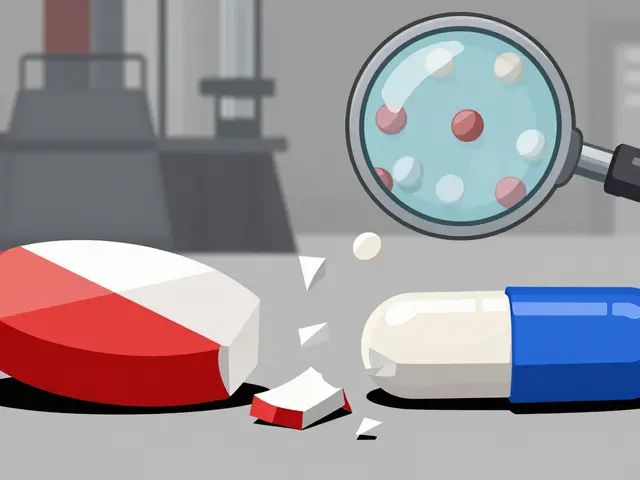
Most people assume that if a pill can be swallowed, it can be crushed and flushed down a tube. That’s a dangerous myth. The physical structure of medications matters immensely when you bypass the stomach’s natural grinding process. Extended-release (ER) formulations, for example, are designed to dissolve slowly over 12 to 24 hours. When you crush them, you destroy that mechanism. Suddenly, a patient gets a massive dose all at once, which can lead to toxicity, followed by a period where no drug is active because the reservoir is empty.
Then there’s the issue of absorption. Some drugs need specific conditions to work. Doxycycline, for instance, requires gastric acid to dissolve properly. If you push it through a tube directly into the jejunum (the small intestine), skipping the stomach, the drug might not dissolve at all. It passes through the system unused. Conversely, some medications bind tightly to the plastic of the tube itself. Phenytoin is notorious for this-it sticks to the tube walls so aggressively that up to 50% of the dose never reaches the patient unless you flush meticulously.
Even the texture of the medication matters. Enteric-coated tablets are designed to resist stomach acid so they don’t irritate the stomach lining. If you crush them, you expose the raw drug to the acidic environment or, worse, create clumps that clog the tube. Bulk-forming laxatives like psyllium are another trap. They expand when wet. Push psyllium through a small-bore feeding tube, and you’ll likely create a concrete-like blockage within minutes.
Tube Compatibility: Not All Tubes Are Created Equal
The size of your tube dictates what you can safely administer. Enteral feeding tubes range from 5 French to 16 French in internal diameter. A 5 French tube has an internal diameter of about 1.7 millimeters. To put that in perspective, that’s thinner than a standard drinking straw. Trying to push undissolved particles or viscous liquids through such a narrow channel is asking for trouble.
Smaller tubes (8 French or less) are particularly susceptible to blockages. Research indicates that smaller diameters significantly increase the risk of occlusion when medications are not prepared perfectly. Larger tubes (12-16 French) offer more leeway but still require strict protocols. If you are using a gastrostomy tube (G-tube) for long-term care, you might have a wider bore, but these are often made of silicone or polyurethane, materials that can interact differently with certain drugs compared to PVC tubes used in acute settings.
| Dosage Form | Compatibility Risk | Preparation Requirement | Key Concern |
|---|---|---|---|
| Immediate-Release Tablets | Low to Moderate | Crush finely, suspend in water | Particle size must be <1mm to avoid clogging |
| Extended-Release (ER/XR) | High | Often unsuitable; check for liquid alternative | Dose dumping leads to toxicity or subtherapeutic levels |
| Enteric-Coated | High | Do not crush; use dispersible form if available | Loss of protection against gastric acid/irritation |
| Liquid Solutions | Variable | May need dilution; check viscosity | Sugar content can cause osmotic diarrhea; alcohol content may irritate |
| Capsules | Moderate | Open only if contents are immediate-release | Gelatin shell can swell and block tube; pellets may clog |
The Art of Flushing: More Than Just Water
If there is one rule you tattoo on your brain, let it be this: Flush before, between, and after every single medication. This isn’t optional advice; it’s the primary defense against tube occlusion. The general guideline is to use at least 15 mL of water for every 10 mL of medication administered, but many experts recommend a flat rate of 30 mL before and after each drug to be safe.
Why so much? Because medications leave residues. Even if a tablet looks fully dissolved, microscopic particles cling to the tube walls. Over time, these layers build up like limescale in a kettle. Eventually, the flow restricts, and then stops. Using warm water (not hot, which can degrade some drugs, and not cold, which can cause cramping) helps dissolve fats and proteins that might also be adhering to the tube.
A common mistake is mixing multiple medications in one cup of water. Don’t do it. Each medication should be prepared separately and flushed individually. Why? Because drugs can interact chemically in the syringe before they even reach the patient. One drug might precipitate out of solution when mixed with another, forming solid crystals that instantly block the tube. Administer one drug, flush with 30 mL of water, administer the next, flush again. It takes longer, yes, but it prevents the nightmare scenario of having to declog a tube mid-shift.
Which Drugs Can You Crush? (And Which Ones You Must Never Touch)
Knowing your contraindications saves lives. There are specific classes of drugs that lose their efficacy or become toxic when crushed. Here is a quick mental checklist for the most common offenders:
- Narrow Therapeutic Index Drugs: Medications like Warfarin, Digoxin, and Levothyroxine have a tiny margin between a helpful dose and a harmful one. Altering how they release can swing blood levels wildly. Always consult pharmacy before crushing these.
- Hazardous Drugs: Chemotherapy agents and teratogens (drugs that cause birth defects) should generally not be crushed due to the risk of exposure to staff and incomplete dosing. Examples include Mycophenolate and Valganciclovir.
- Bulk-Forming Agents: Psyllium (Metamucil) and other fiber supplements absorb water and expand. They are almost guaranteed to block a feeding tube. Use liquid fiber alternatives instead.
- Proton Pump Inhibitors (PPIs): Most PPI capsules contain enteric-coated granules. Crushing them destroys the coating. However, some brands like Prevacid SoluTabs are specifically designed to disperse in water without losing integrity. Check the brand name carefully.
Conversely, many common drugs are perfectly safe to crush. Paracetamol, ibuprofen (immediate-release), amoxicillin, and metformin are typically fine. But "typically" isn't good enough in clinical practice. Always verify with your local hospital formulary or a pharmacist, as generic manufacturers sometimes change excipients (inactive ingredients) that affect solubility.
Drug-Nutrient Interactions: Does Feed Block Absorption?
For years, nurses were taught to stop feeds for one hour before and after giving medications. Was this necessary? Recent evidence suggests we’ve been overly cautious. The American Society for Parenteral and Enteral Nutrition (ASPEN) reviewed extensive data and found that withholding feeds only clinically benefits one major drug: Levodopa. For most other medications, stopping feeds doesn’t significantly improve absorption and disrupts the patient’s nutritional intake.
However, there are exceptions. Phenytoin binds strongly to protein in the feed formula. If you give phenytoin while feeds are running, absorption drops dramatically. In this specific case, holding feeds for 1-2 hours before and after administration is critical. Similarly, fluoroquinolone antibiotics (like Ciprofloxacin) can chelate with calcium and iron in the feed, reducing effectiveness. While holding feeds helps, switching to a different antibiotic or adjusting timing based on pharmacy advice is often better.
Don’t add medications directly to the bag of enteral nutrition. This is a shortcut that rarely pays off. The medication might settle at the bottom, degrade in the formula, or alter the pH of the feed, causing it to curdle and block the pump. Always administer meds via a separate port or by pausing the feed temporarily.

Troubleshooting: What to Do When the Tube Blocks
Despite your best efforts, blockages happen. If the plunger meets resistance, do not force it. You could rupture the tube or damage the patient’s mucosa. Instead, try these steps in order:
- Check for kinks: Ensure the external tubing isn’t bent or compressed under the patient’s weight.
- Warm water flush: Attempt a gentle back-and-forth motion with warm water using a large-bore syringe (60 mL). Avoid small syringes (like 10 mL) because they generate high pressure per square inch, which increases the risk of bursting the tube.
- Enzymatic declogging: If water fails, mix pancreatic enzymes (Viokase or Creon) with sodium bicarbonate solution. Let it sit in the tube for 30-60 minutes. The enzymes digest the protein/fat buildup. Rinse thoroughly afterward.
- Carbonated beverages: Some protocols suggest Coca-Cola or cranberry juice to dissolve mineral deposits, though evidence is mixed. Use cautiously as sugar can promote bacterial growth if not flushed well.
If these methods fail, the tube may need replacement. Prevention is always cheaper and safer than cure.
Documentation and Safety Culture
In healthcare, if it isn’t documented, it didn’t happen. Recording exactly how you prepared the medication, the volume of water used for flushing, and the patient’s tolerance is vital. If a patient develops diarrhea or abdominal distension, knowing whether you added a sorbitol-heavy liquid medication or switched to a new formulation helps pinpoint the cause.
Implementing a "pharmacist-led verification" system can reduce errors by up to 40%. Having a specialist review complex cases before administration ensures that extended-release drugs aren’t crushed unnecessarily and that interactions are caught early. It shifts the culture from "just get it done" to "get it done right."
Frequently Asked Questions
Can I mix all my medications together in one syringe?
No, you should generally administer medications one at a time. Mixing drugs in a syringe can cause chemical incompatibilities, precipitation, or adsorption losses, which may block the tube or reduce drug efficacy. Always flush with 15-30 mL of water between each medication.
How much water should I use to flush the tube?
Standard guidelines recommend using at least 15-30 mL of water before and after each medication administration. For smaller tubes (less than 8 French), ensure the water is warm and free of particulates. Consistent flushing prevents residue buildup and tube occlusion.
Is it safe to crush extended-release tablets?
Generally, no. Crushing extended-release (ER, XR, SR) tablets destroys their slow-release mechanism, potentially causing dose dumping (toxicity) followed by subtherapeutic levels. Always check if a liquid formulation or immediate-release alternative exists. If crushing is unavoidable, monitor serum drug levels closely.
Do I need to stop enteral feeds before giving medication?
Not for most medications. Current ASPEN guidelines suggest that withholding feeds is only clinically necessary for specific drugs like phenytoin (due to protein binding) and levodopa. For most other drugs, continuing feeds does not significantly impair absorption and maintains better nutritional status.
What should I do if the feeding tube becomes blocked?
First, check for external kinks. Then, attempt a gentle flush with warm water using a 60 mL syringe. If unsuccessful, consider using a pancreatic enzyme and sodium bicarbonate solution, allowing it to dwell in the tube for 30-60 minutes. Avoid forcing the plunger, as this can rupture the tube.