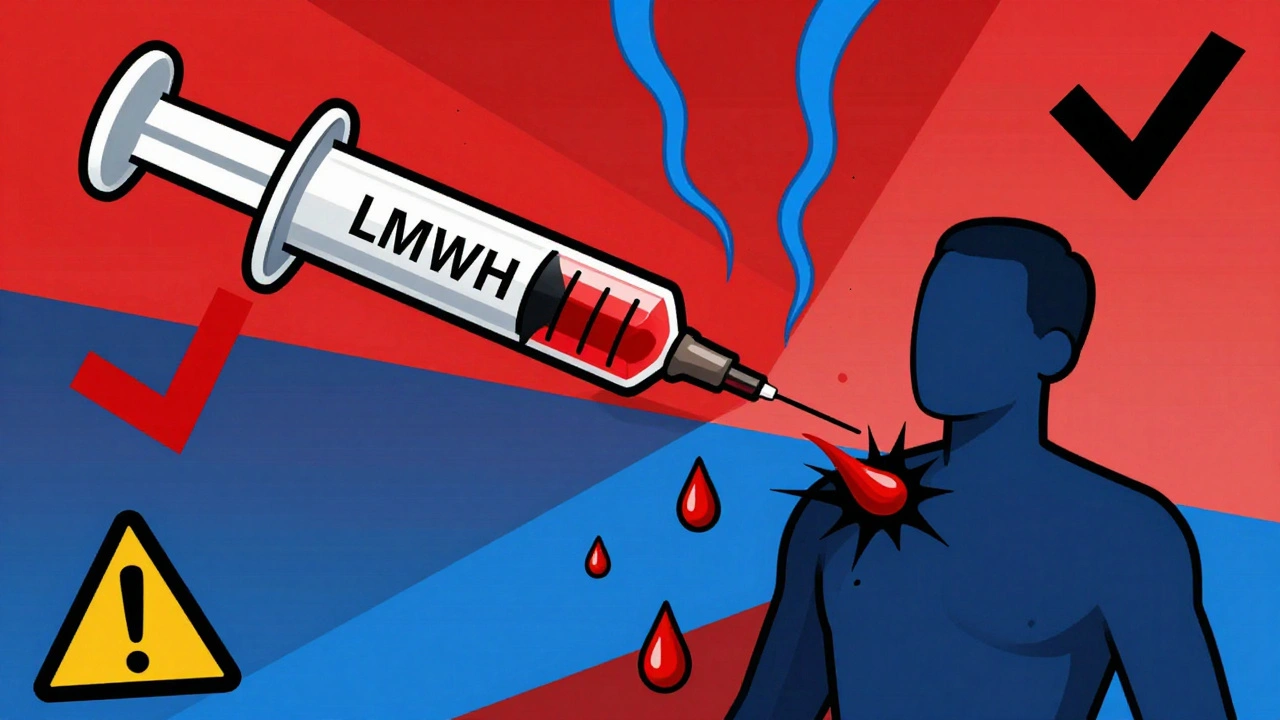
Anticoagulant Testing: What It Is and Why It Matters for Your Safety
When you’re on a blood thinner, a medication that reduces your blood’s ability to form clots. Also known as anticoagulant, it’s prescribed to prevent strokes, heart attacks, or dangerous clots in your legs or lungs. But these drugs aren’t simple to manage. Too little and you’re at risk for a clot. Too much and you could bleed internally. That’s where anticoagulant testing, lab tests that measure how long it takes your blood to clot. It’s also called coagulation monitoring, and it’s the only way to know if your dose is right.
The most common test is the INR test, a standardized measure of how long your blood takes to clot compared to a normal sample. If you’re on warfarin, your doctor will check your INR regularly—sometimes every week, sometimes every few months. A target range of 2.0 to 3.0 is typical for most people, but it varies based on your condition. Other blood thinners like rivaroxaban or apixaban don’t need routine testing, but that doesn’t mean they’re risk-free. Even with newer drugs, you still need to watch for signs of bleeding or interactions with other meds, like antibiotics or herbal supplements. Anticoagulant testing isn’t just about numbers—it’s about connecting those numbers to your real-life symptoms. A high INR with bruising? That’s a red flag. A low INR with leg swelling? That’s another.
People on anticoagulants often take other medications that can interfere. CBD oil, for example, can slow how your liver breaks down warfarin, pushing INR levels dangerously high. Grapefruit juice does the same thing. Even something as simple as switching from one generic brand to another can throw off your levels, especially if state laws allow substitutions without your consent. That’s why bringing your actual pill bottles to appointments matters—it’s not just good practice, it’s lifesaving. And if you’re older or have kidney or liver issues, your body processes these drugs differently, making testing even more critical. Anticoagulant testing isn’t a one-time thing. It’s an ongoing conversation between your blood, your meds, and your body.
What you’ll find below are real stories and practical guides from people who’ve been there—how to handle missed tests, what to do when your INR spikes, why some drugs need more monitoring than others, and how to avoid dangerous interactions that aren’t always listed on the label. This isn’t theory. It’s what keeps people alive.