CBD Oil Interactions: What You Need to Know Before You Use It
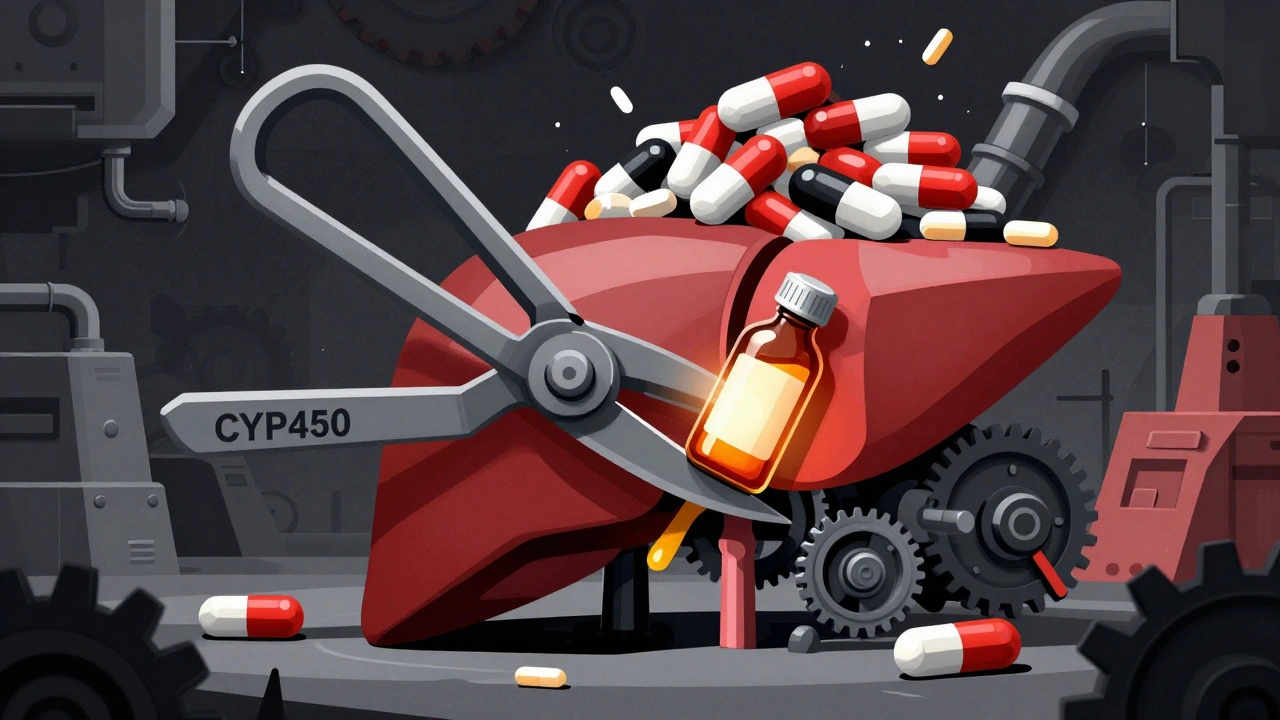
When you take CBD oil, a concentrated extract from the cannabis plant used for pain, anxiety, and sleep. Also known as cannabidiol oil, it doesn't get you high, but it can change how your body handles other medicines. Unlike vitamins or herbal teas, CBD oil doesn’t just sit quietly in your system—it actively messes with liver enzymes that break down over 80% of common prescriptions. That means if you’re on blood thinners, antidepressants, seizure meds, or even statins, CBD could make them too strong—or too weak.
That’s not speculation. The same enzyme system—called CYP3A4—that grapefruit juice blocks is the one CBD targets. If you’ve been told to avoid grapefruit with your pills, you should probably avoid CBD too. People taking warfarin, a blood thinner used to prevent clots have seen dangerous spikes in INR levels after starting CBD. Others on clobazam, an anti-seizure drug often used for epilepsy reported increased drowsiness and sedation when CBD was added. Even antidepressants, like SSRIs used for anxiety and depression, can build up to unsafe levels. It’s not about being allergic—it’s about chemistry. Your liver can’t keep up.
And it’s not just pills. CBD can also interfere with supplements like melatonin or ginseng—both of which show up in this site’s posts. If you’re using CBD for sleep, but also take melatonin, you might end up groggy all day. If you’re managing diabetes with insulin and add CBD, your blood sugar could drop too low. The problem? Most people don’t realize these risks because CBD is sold as a "natural" product. But natural doesn’t mean safe when mixed with medicine.
You won’t find a universal rule for CBD interactions because everyone’s body and meds are different. But you can protect yourself: bring your pill bottles to every appointment, ask your pharmacist to check for interactions, and never start CBD without telling your doctor what else you’re taking. The posts below cover real cases—from older adults on multiple drugs to people with autoimmune conditions—where CBD slipped in unnoticed and caused problems. You’ll also find guides on how to talk to your provider, what to watch for, and how to spot early signs of trouble. This isn’t about scaring you off CBD. It’s about making sure you use it without risking your health.