Copper Accumulation: What It Means and How It Affects Your Health
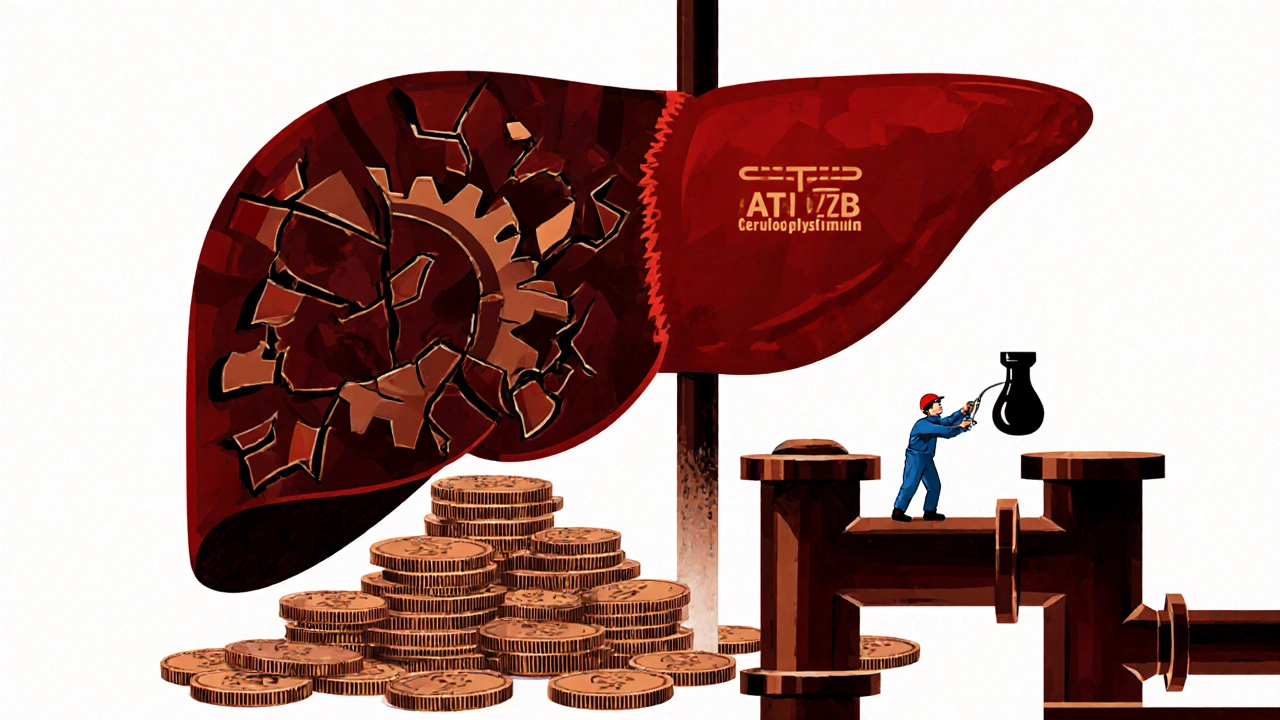
When your body holds onto too much copper accumulation, the abnormal buildup of copper in tissues that can lead to organ damage. Also known as copper toxicity, it doesn’t happen from eating too many nuts or spinach—it’s usually a hidden genetic or medical problem. Most people’s bodies regulate copper just fine, pulling in what they need and flushing out the rest. But when that system breaks down, copper starts sticking where it shouldn’t—like in your liver, brain, and eyes.
This isn’t rare. Wilson disease, a genetic disorder that prevents the body from removing excess copper is the most common cause. People with it often don’t know they have it until they start showing symptoms—jaundice, shaky hands, trouble speaking, or even psychiatric changes. It’s not just about the liver, either. Copper can build up in the brain and cause tremors or mood swings that look like Parkinson’s or depression. And if left untreated, it can lead to liver damage, scarring or failure caused by long-term copper overload that requires a transplant.
But copper accumulation isn’t always genetic. Some people develop it from long-term use of copper IUDs, contaminated water pipes, or even supplements that aren’t labeled properly. Others with chronic liver disease can’t process copper the way they should, and it piles up over time. The signs are easy to miss: fatigue, nausea, abdominal pain, or unexplained joint pain. Blood and urine tests can spot high copper levels, and eye exams can find the telltale Kayser-Fleischer rings—a brownish halo around the iris that’s a dead giveaway.
What you won’t find in most online searches is how messy the treatment can be. It’s not just about taking a pill. Drugs like penicillamine or trientine bind to copper and flush it out, but they can cause side effects like rashes, nerve damage, or even make symptoms worse at first. Zinc is another option—it blocks copper absorption in the gut—but it takes months to work. And once you start treatment, you’re on it for life. No shortcuts. No quick fixes.
And here’s the thing: most doctors don’t test for copper unless they’re sure something’s wrong. That’s why so many cases go undiagnosed for years. If you’ve had unexplained liver issues, neurological symptoms, or a family history of early-onset Parkinson’s or liver disease, ask for a copper panel. It’s a simple blood test. The earlier you catch it, the less damage is done.
In the posts below, you’ll find real stories and medical breakdowns about how copper buildup shows up in unexpected ways—from medication reactions to liver problems masked as simple indigestion. You’ll see how it connects to other conditions like Wilson disease, how it’s tested, and what actually helps when the system fails. No fluff. Just what you need to know to protect yourself or someone you care about.