Elderly Medication Risks: What You Need to Know to Stay Safe
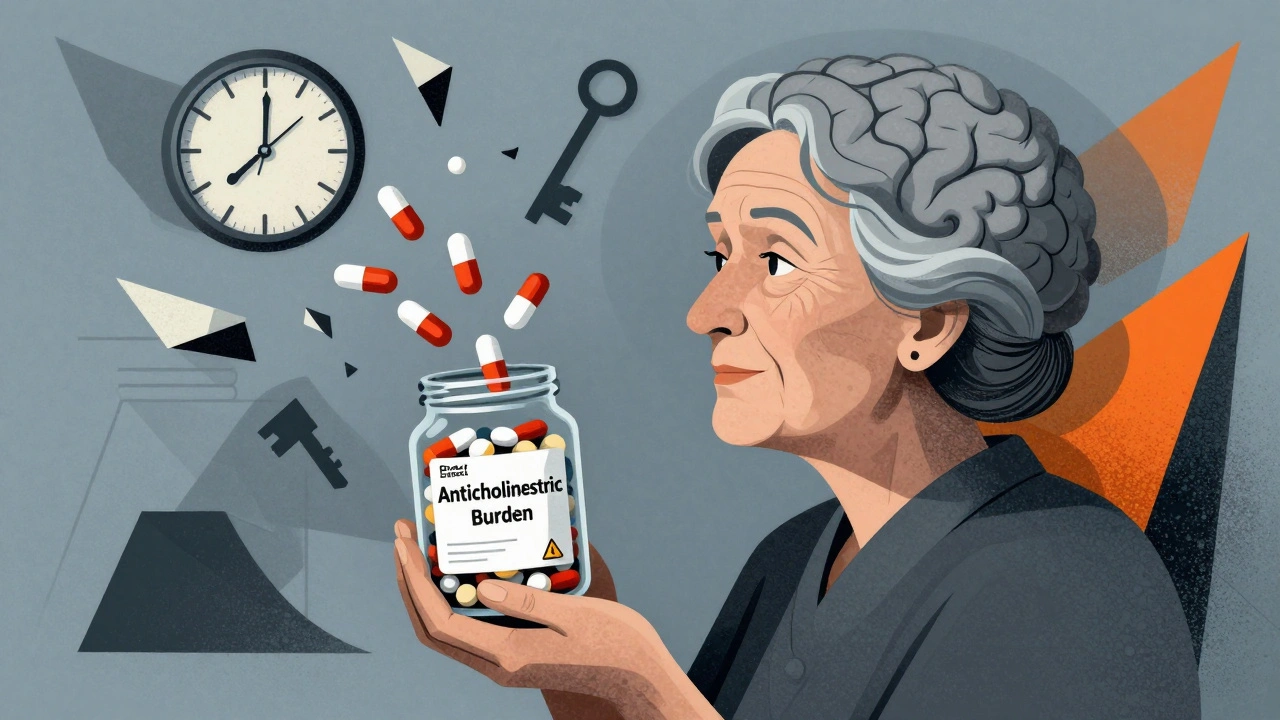
When you’re over 65, taking multiple medications isn’t just common—it’s dangerous. elderly medication risks, the heightened chance of harm from drugs in older adults due to changes in metabolism, multiple conditions, and complex regimens. Also known as polypharmacy dangers, it’s not about taking too many pills—it’s about taking the wrong ones together. The body changes with age. Liver and kidney function slow down. What used to be a safe dose of blood pressure medicine can now build up to toxic levels. And that’s just one problem.
Most seniors take at least four prescriptions, and nearly 20% take ten or more. That’s where drug interactions, when two or more medications react in the body to cause unexpected side effects or reduce effectiveness become a silent killer. Think CBD oil blocking liver enzymes that break down blood thinners, or grapefruit juice making statins dangerously strong. Even over-the-counter stuff like antacids or sleep aids can clash with heart meds or antidepressants. And medication safety, the practice of using drugs correctly to avoid harm, especially in vulnerable populations isn’t just about the pills—it’s about how they’re managed. Many people don’t bring their actual pill bottles to doctor visits. They forget what they’re taking, or they’re on a regimen that’s been patched together over years without a full review.
It’s not just about side effects. It’s about falls, confusion, kidney damage, bleeding, and hospital stays—all tied to meds. A simple change in dosage, or adding a new supplement, can trigger a chain reaction. That’s why polypharmacy, the use of multiple medications by a patient, often leading to increased risk of adverse effects is one of the biggest threats to senior health today. It’s not the number of pills. It’s the lack of coordination. Pharmacists can help. Doctors can help. But you have to speak up. Bring your bottles. Ask about deprescribing. Question every new script.
Below, you’ll find real, practical guides on exactly how these risks show up—and how to stop them. From spotting dangerous interactions with CBD and statins, to knowing when to test blood levels on blood thinners, to understanding how to safely cut back on meds you no longer need. These aren’t theory pieces. They’re tools used by people who’ve been through it. If you or someone you love is managing multiple prescriptions, what’s here could keep you out of the ER.