Opioid Risks: Understanding Addiction, Overdose, and Safer Pain Management
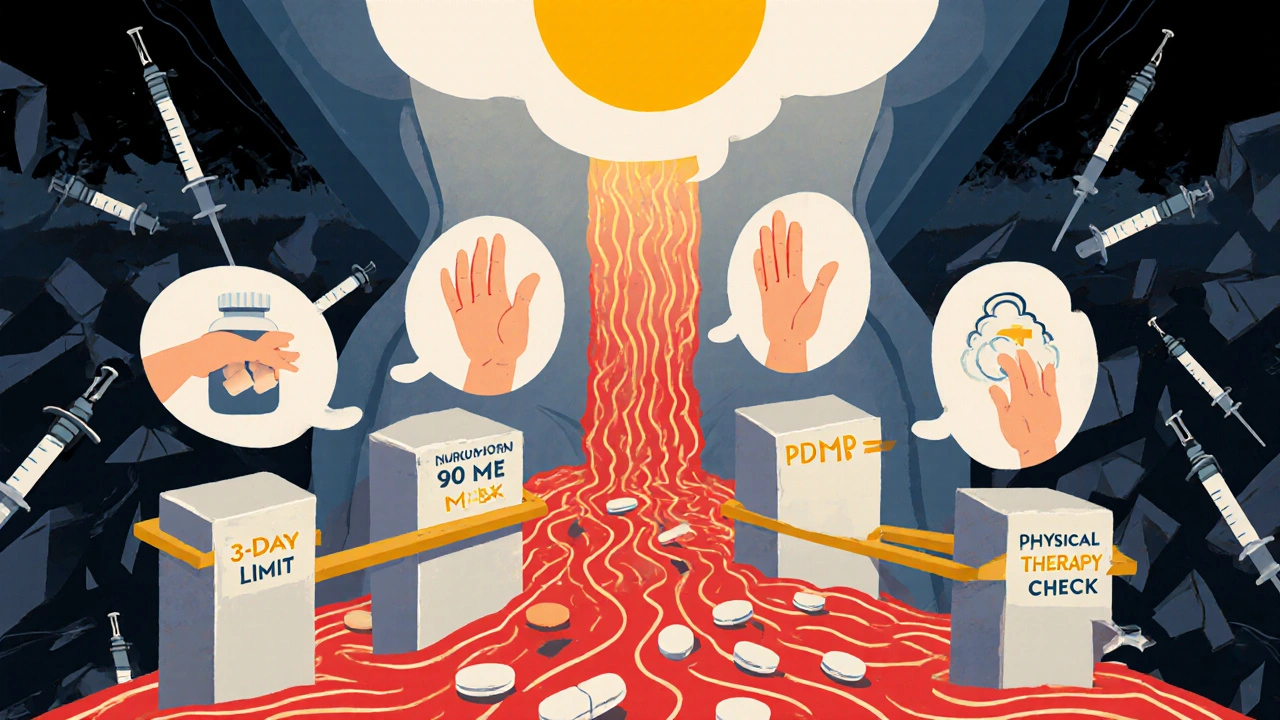
When you hear opioid risks, the dangers tied to prescription and illegal painkillers like oxycodone, hydrocodone, and fentanyl. Also known as narcotic pain medications, these drugs are powerful but come with serious consequences if misused. Millions of people take them after surgery or for chronic pain, but too many end up addicted—or worse. The CDC reports that nearly 70% of drug overdose deaths in the U.S. involve opioids. It’s not just about street drugs; even a short prescription can change how your brain responds to pain and pleasure.
Opioid addiction, a chronic brain disorder where the body craves the drug despite harm. Also known as opioid use disorder, it doesn’t happen overnight, but it can start with a single prescription. People don’t always realize they’re at risk until they can’t stop taking the pills, even when the pain is gone. Opioid overdose, when breathing slows or stops due to too much of the drug. Also known as respiratory depression, it’s the leading cause of accidental death among adults under 50. Naloxone can reverse it, but only if someone acts fast. That’s why knowing the signs—blue lips, slow breathing, unresponsiveness—isn’t just helpful, it’s life-saving.
Here’s the good news: you don’t need opioids to manage most kinds of pain. Pain management, a broad approach that uses multiple tools to reduce discomfort without relying on addictive drugs. Also known as multimodal analgesia, it includes nerve blocks, physical therapy, anti-inflammatories, and even acupuncture. Hospitals are shifting away from opioids after surgery because studies show patients recover faster and feel less pain long-term when they avoid them. Even for chronic back or joint pain, options like tai chi, cognitive behavioral therapy, and topical creams can work better than pills.
What you’ll find in the posts below isn’t just a list of warnings—it’s a practical guide to what’s really happening with opioids today. You’ll see how doctors are cutting opioid use after surgery, what hidden dangers come with mixing them with other meds, and how to spot trouble before it’s too late. There’s also real advice on what to do if you or someone you know is stuck on these drugs. No fluff. No fearmongering. Just clear, usable facts to help you make smarter choices about pain, medicine, and your health.