Pill Splitting: Safe Ways to Cut Pills and Save Money
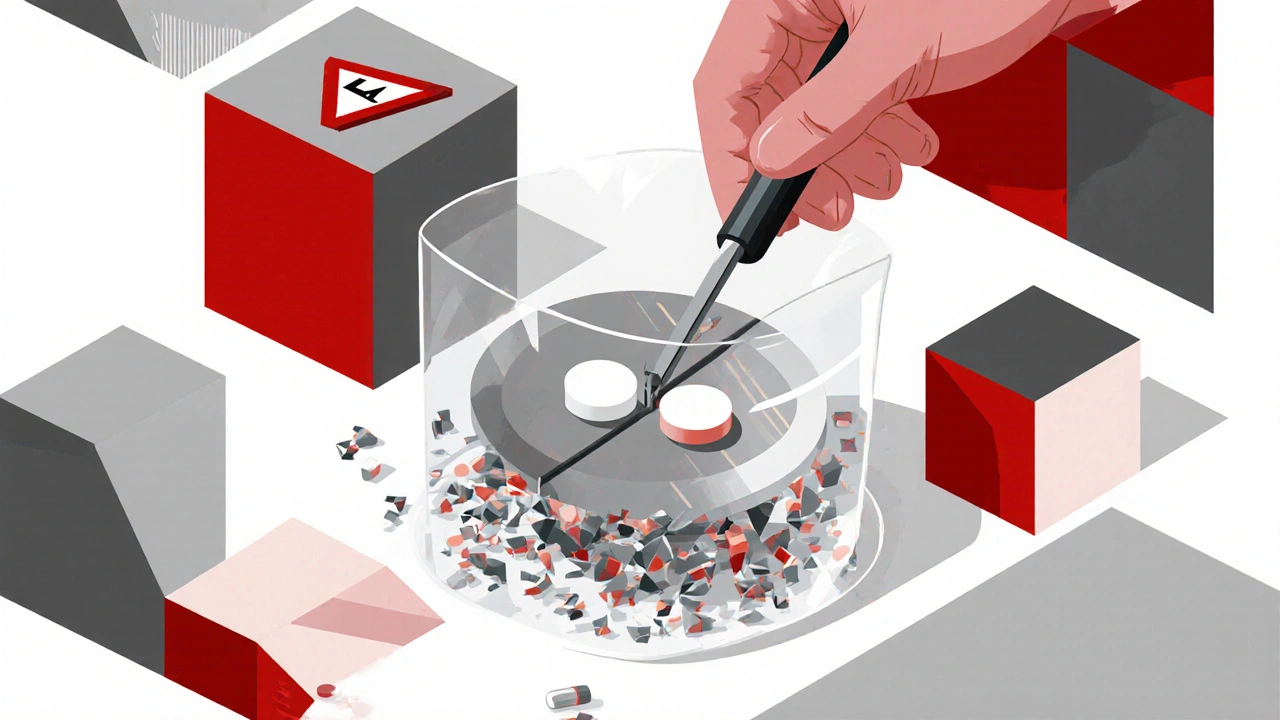
When you split a pill, you’re not just cutting a tablet—you’re changing how your body gets medicine. pill splitting, the practice of dividing a tablet or capsule into smaller doses. Also known as tablet splitting, it’s a common way people stretch their prescriptions, especially for expensive drugs like Viagra or Plavix. But it’s not as simple as using a knife or scissors. Some pills are designed to release medicine slowly, and splitting them can cause dangerous spikes in drug levels. The FDA doesn’t ban it, but it does say only certain pills are meant to be split—those with a score line, no special coating, and stable chemistry.
Not all pills are safe to split. extended-release medications, drugs built to release slowly over hours. Also known as time-release pills, they’re often marked with SR, XR, or ER on the label. Splitting these can dump the whole dose into your system at once, which could be life-threatening. enteric-coated pills, tablets with a shell that prevents stomach acid from breaking them down. Also known as delayed-release pills, they’re meant to dissolve in the intestines. Splitting them ruins that design and can cause stomach upset or reduce effectiveness. And don’t even think about splitting capsules, capsules with powders inside, or pills that crumble easily. If your pill doesn’t have a visible score line, it’s probably not safe to split.
Using a pill cutter, a simple plastic device with a blade and groove for holding pills steady. Also known as tablet divider, it’s the only tool you should use. Kitchen knives, scissors, or even your fingers can crush the pill, create uneven halves, or leave powder on your counter. A good pill cutter gives you clean, accurate splits—critical when you’re trying to hit a specific dose like 25mg instead of 50mg. And always store split pills in a dry, cool place. Moisture and air can degrade the medicine, especially if it’s not sealed. Pharmacists can help you pick which pills are safe to split. Many insurance plans even cover the cost of a pill cutter if you ask.
People split pills for real reasons—cost, dosage flexibility, or side effect management. Maybe you’re on a high-dose statin and your doctor says you can cut it in half. Or you’re using metformin and need to taper slowly. Maybe you’re trying to stretch your supply between refills. But none of that matters if the split is uneven or the pill breaks down too fast. That’s why knowing what you’re working with is as important as the tool you use.
Below, you’ll find real-world guides on how to handle medications safely—whether you’re cutting pills, checking for interactions, or comparing generics. You’ll see how food affects absorption, why some drugs can’t be swapped, and how to spot dangerous side effects before they happen. This isn’t guesswork. It’s the kind of info that keeps you out of the ER and in control of your health.