Getting a shot is usually quick and painless, but for a tiny fraction of people, it triggers a body-wide alarm. Vaccine allergy sounds scary because of the word "allergy," but in medical terms, true severe reactions are incredibly rare. Most people who feel unwell after a shot experience mild side effects like soreness or a low-grade fever, not a life-threatening emergency. Understanding the difference between a normal immune response and a genuine hypersensitivity event helps separate fact from fear.
The core issue isn't that vaccines are dangerous; it's that our bodies sometimes misidentify harmless ingredients as threats. This article breaks down how often these events actually happen, what they look like, and how the system tracks them to keep you safe. We will look at the real numbers behind the headlines and explain why the safety net is tighter than most people realize.
How Rare Are True Vaccine Allergies?
Let’s start with the big picture: severe allergic reactions, specifically anaphylaxis, are statistically negligible compared to other daily risks. According to data from the Vaccine Safety Datalink, which analyzed over 25 million vaccine doses, anaphylaxis occurs at a rate of just 1.3 cases per million doses. To put that in perspective, you are far more likely to be struck by lightning (about 1 in 1,000,000 lifetime odds) than to have a severe reaction to any given vaccine dose.
However, rates vary slightly depending on the specific vaccine type. For example, early monitoring of mRNA COVID-19 vaccines showed a rate of about 11.1 cases per million doses. While this number is higher than the historical average for traditional vaccines, it is still exceptionally rare in absolute terms. The key takeaway is that while the risk exists, it is so small that the benefits of vaccination overwhelmingly outweigh the danger for the vast majority of the population.
| Vaccine Type | Anaphylaxis Rate | Data Source Context |
|---|---|---|
| All Licensed Vaccines (Average) | 1.3 per million doses | Vaccine Safety Datalink (25M+ doses) |
| mRNA COVID-19 Vaccines | 11.1 per million doses | CDC Early Monitoring (Dec 2020) |
| Rubella Component | 1 in 3,000 doses | Historical Clinical Data |
| MMR Vaccine | 1 in 30,000 doses | Historical Clinical Data |
What Triggers These Reactions?
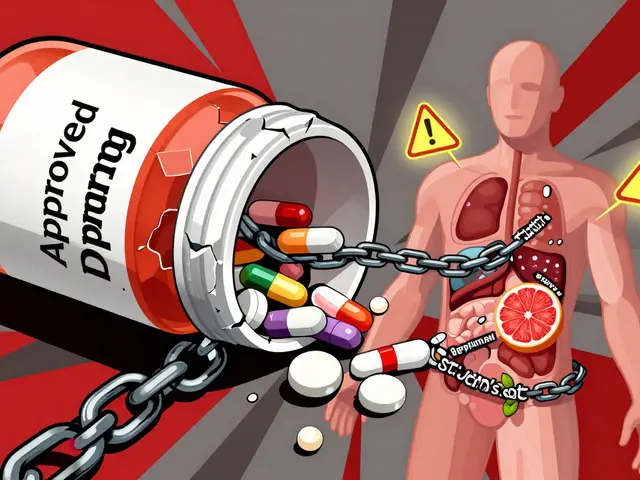
When we talk about vaccine allergies, we aren't usually talking about the virus or bacteria itself. Instead, the trigger is often one of the inactive ingredients used to stabilize or boost the vaccine's effectiveness. Common culprits include egg proteins, yeast, gelatin, and polyethylene glycol (PEG).
Egg Protein is a common ingredient in influenza and some measles vaccines grown in chicken eggs. Historically, doctors advised against giving flu shots to anyone with an egg allergy. However, recent studies involving over 4,300 egg-allergic individuals found no serious reactions when they received standard flu vaccines. This has led to updated guidelines stating that egg allergy alone is no longer a reason to skip the flu shot.
Polyethylene Glycol (PEG) is a synthetic polymer used in many modern vaccines, including mRNA formulations, to help stabilize the lipid nanoparticles. In 2023, the Advisory Committee on Immunization Practices (ACIP) updated its guidance to highlight PEG as a potential trigger for some anaphylaxis cases. If you have a known history of severe reactions to PEG-containing products, your doctor may want to monitor you more closely during vaccination.
Yeast protein, found in hepatitis B and HPV vaccines, is another frequent concern. Yet, data shows only 15 potential cases of yeast-related issues among 180,000 reports in the national database. Unless you have a documented severe yeast allergy, the risk here is minimal.
Recognizing the Signs: Immediate vs. Delayed
Timing is everything when it comes to identifying a serious reaction. Anaphylaxis is a rapid-onset, potentially life-threatening systemic allergic reaction characterized by difficulty breathing, swelling, and drop in blood pressure. The good news? It happens fast. Research indicates that 86% of anaphylaxis cases show symptoms within 30 minutes of the injection, with 71% occurring in the first 15 minutes.
This is why healthcare providers ask you to stay for 15 minutes after getting a shot. If you have a history of allergies, they might extend that to 30 minutes. During this window, staff are trained to spot early signs like hives, wheezing, or dizziness. Because the reaction is so immediate, waiting at home for hours doesn't protect you from the most dangerous phase.
On the other hand, delayed reactions do happen, though they are rarely severe. Things like itching, mild rashes, or joint pain can appear days later. These are often non-immunological responses-essentially your body adjusting to the immune boost rather than attacking the vaccine components directly. While uncomfortable, they are generally self-limiting and don't require emergency intervention.
The Safety Net: How We Monitor for Issues
You might wonder how we know all these statistics if the reactions are so rare. The answer lies in a massive, multi-layered surveillance system. The backbone of this network in the United States is the Vaccine Adverse Event Reporting System (VAERS), which is a national early warning system co-managed by the CDC and FDA that collects reports of adverse events following immunization.
VAERS receives between 30,000 and 50,000 reports annually. Not every report means a vaccine caused the problem; some are coincidences, and some are mild side effects. But the system acts as a radar. If a specific pattern emerges-for example, a cluster of skin reactions linked to a new batch of vaccine-investigators can dig deeper quickly. Manufacturers are legally required to report serious events to VAERS within 15 days, ensuring the data flow is constant.
Beyond passive reporting, active monitoring tools have evolved. The v-safe smartphone app, for instance, collected data from 3.6 million users during the initial pandemic rollout. By asking users simple questions about their health daily, researchers could detect subtle trends that might not show up in hospital visits. This combination of passive databases and active digital tracking creates a robust safety infrastructure that didn't exist before the 1970s.
Who Is At Higher Risk?
While anyone can theoretically have a reaction, certain demographic groups show different patterns. Data from a large study analyzing nearly 11 million doses found that 81.1% of reported allergic adverse events occurred in women. The average age of those affected was around 40 years old, though cases ranged from infants to octogenarians.
Having a pre-existing allergy history increases your vigilance needs, but not necessarily your risk of a *new* vaccine-specific allergy. For instance, 81% of the individuals who experienced anaphylaxis to early mRNA vaccines had a history of some kind of allergy or asthma. However, having hay fever or a peanut allergy does not automatically mean you will react to a vaccine. The connection is complex, and allergists evaluate case-by-case.
If you have ever had a severe reaction to a previous dose of a similar vaccine, that is a clear signal to speak with a specialist. But for the general public, a history of mild childhood fevers or injection site redness is not a contraindication for future shots.

Practical Steps for Your Next Appointment
Knowing the risks is one thing; preparing for the visit is another. Here is how to handle your next vaccination appointment with confidence:
- Tell your provider your full allergy history. Don't just list food allergies. Mention reactions to medications, latex, or previous vaccines. Specificity helps the clinician decide if extra monitoring is needed.
- Ask about the observation period. Confirm how long you need to stay. If you have a known high-risk profile, request the extended 30-minute wait.
- Know the emergency signs. Look out for widespread hives, swelling of the lips or tongue, or trouble breathing. If these happen, call for help immediately. Epinephrine is the first-line treatment and is available at all compliant vaccination sites.
- Report anything unusual. Even if it seems minor, logging a reaction in VAERS (or through your provider) helps the broader safety system. It takes less than five minutes online.
Remember, the goal of safety monitoring isn't to stop everyone from getting vaccinated, but to ensure that if a rare issue arises, it is caught, treated, and understood. The system works because it combines rigorous scientific analysis with practical clinical protocols.
Frequently Asked Questions
Can I get a vaccine if I have an egg allergy?
Yes. Current guidelines state that egg allergy alone is not a reason to avoid influenza or MMR vaccines. Studies involving thousands of egg-allergic patients showed no significant increase in serious reactions compared to non-allergic individuals. You should still inform your provider, but special precautions are generally no longer required.
How long after a vaccine can an allergic reaction occur?
Severe anaphylaxis typically occurs within 15 to 30 minutes of the injection. This is why you are asked to stay for observation. Mild reactions like rashes or itching can appear later, sometimes days afterward, but these are rarely dangerous and often resolve on their own.
Is anaphylaxis from vaccines fatal?
Rarely. While anaphylaxis is a medical emergency, death from vaccine-induced anaphylaxis is extremely uncommon. With prompt treatment using epinephrine, which is standard protocol at vaccination clinics, outcomes are almost always positive. The risk of dying from the diseases vaccines prevent is significantly higher than the risk of dying from a vaccine reaction.
What is the role of PEG in vaccine allergies?
Polyethylene glycol (PEG) is an ingredient in many mRNA vaccines. Some cases of anaphylaxis have been linked to sensitivity to PEG. If you have a known allergy to PEG-containing products, your doctor may recommend closer monitoring or alternative vaccine options, though PEG allergy itself is also quite rare.
Should I report a mild side effect to VAERS?
Yes. VAERS is designed to catch all types of adverse events, not just severe ones. Reporting mild side effects helps researchers identify patterns and understand the full spectrum of how vaccines interact with different bodies. It contributes to the overall safety intelligence of the nation's immunization program.