Mandibular Advancement: What It Is and How It Helps Sleep Apnea and Jaw Alignment
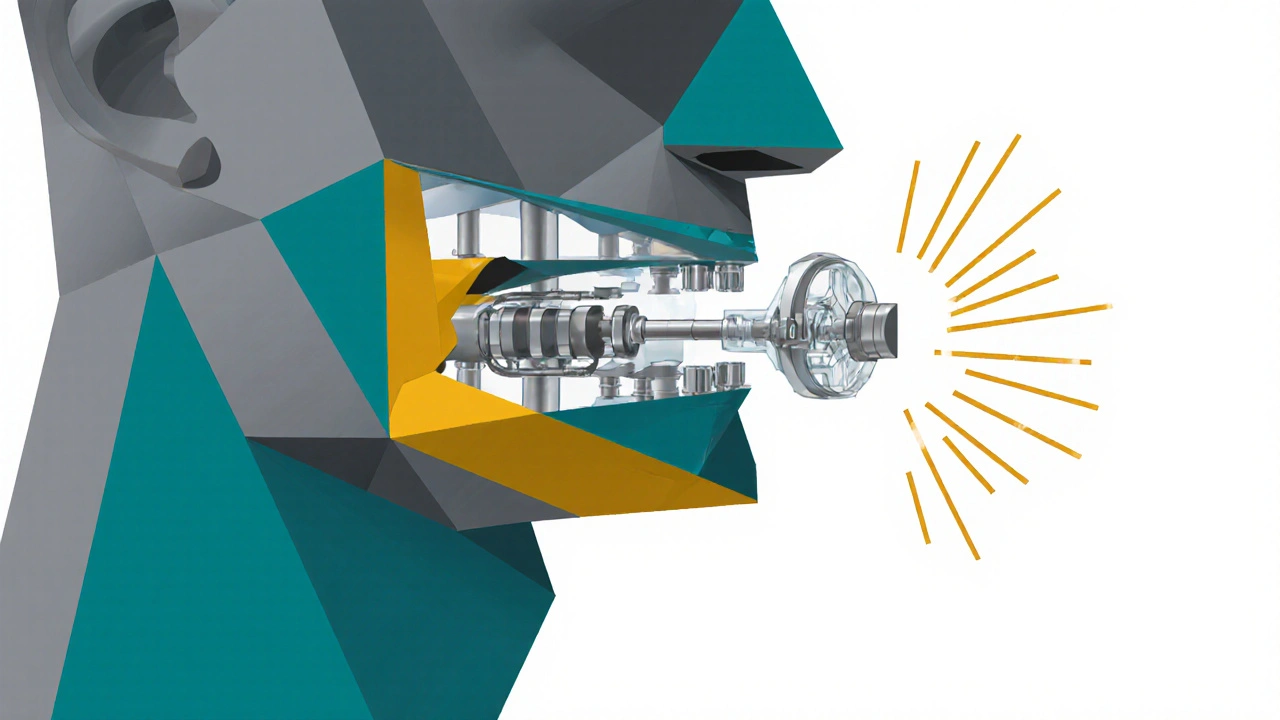
When your lower jaw sits too far back, it can block your airway while you sleep—that’s where mandibular advancement, a treatment that gently moves the lower jaw forward to keep the airway open during sleep. Also known as mandibular repositioning, it’s a non-invasive fix used for mild to moderate sleep apnea and snoring. This isn’t surgery—it’s usually done with a custom-fitted oral device worn at night, similar to a mouthguard. The goal is simple: prevent your tongue and soft tissues from collapsing into your throat when you’re relaxed.
Mandibular advancement works because of how your jaw connects to your airway. When the jaw shifts forward, it pulls the tongue and attached muscles along with it, creating more space behind the tongue where breathing happens. This same principle helps people with jaw misalignment or TMJ issues, especially when the lower jaw is underdeveloped or retracted. It’s not just for snorers—people with chronic fatigue, morning headaches, or unexplained daytime sleepiness often find relief once their airway stays open. Studies show that for many, mandibular advancement devices reduce breathing pauses by over 50%, and in some cases, eliminate them entirely.
Related to this are oral appliance therapy, a category of dental devices designed to treat sleep-disordered breathing, which includes mandibular advancement devices as the most common type. These are different from CPAP machines—they don’t use air pressure, so they’re quieter, portable, and easier to use for people who travel or find CPAP masks uncomfortable. But they’re not for everyone. If your sleep apnea is severe, or if you have few remaining teeth, your doctor might recommend something else. That’s why it’s important to get evaluated by a sleep specialist and a dentist trained in sleep medicine before starting.
You’ll also hear about jaw alignment, the positioning of the upper and lower jaws relative to each other and the skull in this context. Poor alignment doesn’t just affect how your teeth fit together—it can change how you breathe, chew, and even speak. Mandibular advancement can be part of a longer-term plan to improve jaw position, especially in younger patients or those using orthodontic devices alongside the appliance. In adults, it’s often used as a standalone treatment because surgical jaw repositioning carries more risk and recovery time.
What you’ll find in the posts below are real-world stories and medical insights about treatments that connect to mandibular advancement—like how sleep apnea links to heart health, why some people switch from CPAP to oral devices, and how medications can affect jaw movement or dryness during sleep. You’ll also see how conditions like COPD, acid reflux, and even certain pain meds can influence breathing patterns at night. This isn’t just about devices—it’s about understanding your whole body’s response to sleep disruption, and what practical steps can make a real difference.