Peak Flow Monitoring: Track Your Lung Function and Manage Asthma Better
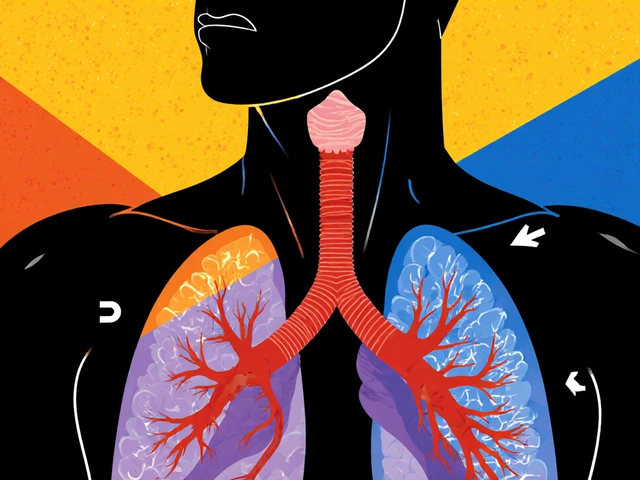
When you have asthma, your airways can narrow without warning. Peak flow monitoring, a simple, at-home test that measures how fast you can blow air out of your lungs. It’s not a replacement for doctor visits, but it’s one of the most practical tools you can use to spot trouble before it becomes an emergency. This isn’t just for people with severe asthma—it helps anyone who’s on daily medication, has had recent flare-ups, or wants to understand what triggers their symptoms.
Most people use a peak flow meter, a small handheld device that gives a number based on how hard and fast you exhale. That number tells you if your airways are opening normally or if they’re tightening up. Your personal best is the highest reading you can consistently hit when you’re feeling well. From there, you can track changes day by day. A drop of 20% or more from your best can mean an attack is coming—even if you don’t feel it yet. That’s why doctors recommend logging your readings, especially during cold season, allergy time, or when you’ve changed medications.
Peak flow monitoring isn’t magic, but it’s real. It’s used by people managing asthma at home, athletes monitoring lung health, and even those with COPD to track progress. It connects directly to other things you’re probably already doing: avoiding triggers, using inhalers correctly, and knowing when to call your doctor. You’ll find posts here about how to use the device properly, what numbers to worry about, why some people ignore their meter and regret it, and how to explain your results to your provider. Some of the articles also link peak flow data to broader topics like medication timing, environmental triggers, and how asthma affects sleep or exercise. You won’t find fluff here—just clear, practical ways to take control before your breathing gets worse.