Pill Crushing: When It’s Safe, When It’s Dangerous, and What to Do Instead
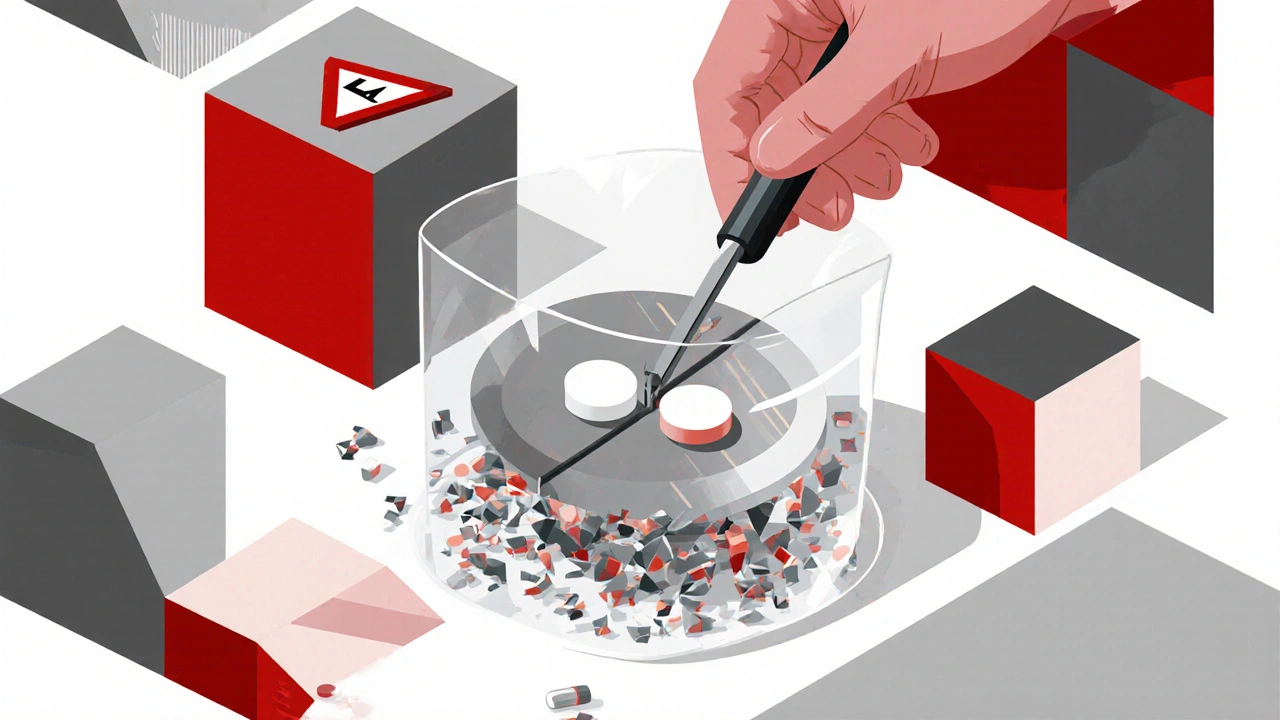
When you struggle to swallow pills, pill crushing, the act of breaking down a tablet or capsule into powder for easier ingestion. Also known as medication manipulation, it’s a common workaround—especially for kids, seniors, or people with swallowing issues. But what seems like a simple fix can turn into a serious health risk if you don’t know which drugs can handle it. Not all pills are created equal. Some are designed to release medicine slowly over hours. Crush those, and you risk flooding your system with a full dose all at once. Others have coatings to protect your stomach or ensure the drug reaches the right part of your gut. Crush them, and the medicine might not work—or could irritate your lining.
Extended-release medications, drugs built to release their active ingredient gradually. Also known as ER, XR, or SR pills, they’re often marked with labels like "XL" or "CR"—think OxyContin, Metformin XR, or Adderall XR. These should never be crushed. The same goes for enteric-coated pills, tablets with a special shell that prevents breakdown in the stomach. Also known as EC-coated drugs, they’re meant to dissolve in the intestines. Crush them, and you could trigger nausea, stomach damage, or lose the drug’s effect entirely. Even some sublingual tablets, medications designed to dissolve under the tongue for fast absorption. Also known as buccal or fast-acting pills, lose their purpose if crushed and swallowed.
So what do you do if swallowing is a real problem? Talk to your pharmacist before crushing anything. Many medications come in liquid form, dissolvable tablets, or smaller pills. Sometimes, a simple switch solves the issue. For example, if you’re on a long-acting opioid, there might be a liquid version. If you’re taking a statin, some brands offer chewable options. Even suspensions, liquid formulations mixed with water or syrup. Also known as oral solutions, are often available for drugs that are typically pills. And if you must crush a pill, use a dedicated pill crusher—not a spoon or mortar. Wash it after each use. Never mix crushed pills unless your doctor or pharmacist says it’s safe. Some drugs react badly when combined, even in powder form.
The posts below cover real cases where people got into trouble—or found safe solutions—around pill crushing. You’ll find guides on how to read medication labels for hidden warnings, what to do when a drug can’t be crushed, and how food, timing, and other meds interact with crushed or altered pills. There’s also advice on alternatives to crushing, including how to use syringes for liquids, how to open capsules safely, and when to ask for a different formulation. Whether you’re helping an elderly parent, managing your own meds, or just want to avoid a dangerous mistake, this collection gives you the facts you need—no guesswork, no myths, just clear, practical info.