Safe Pill Splitting: How to Do It Right Without Risk
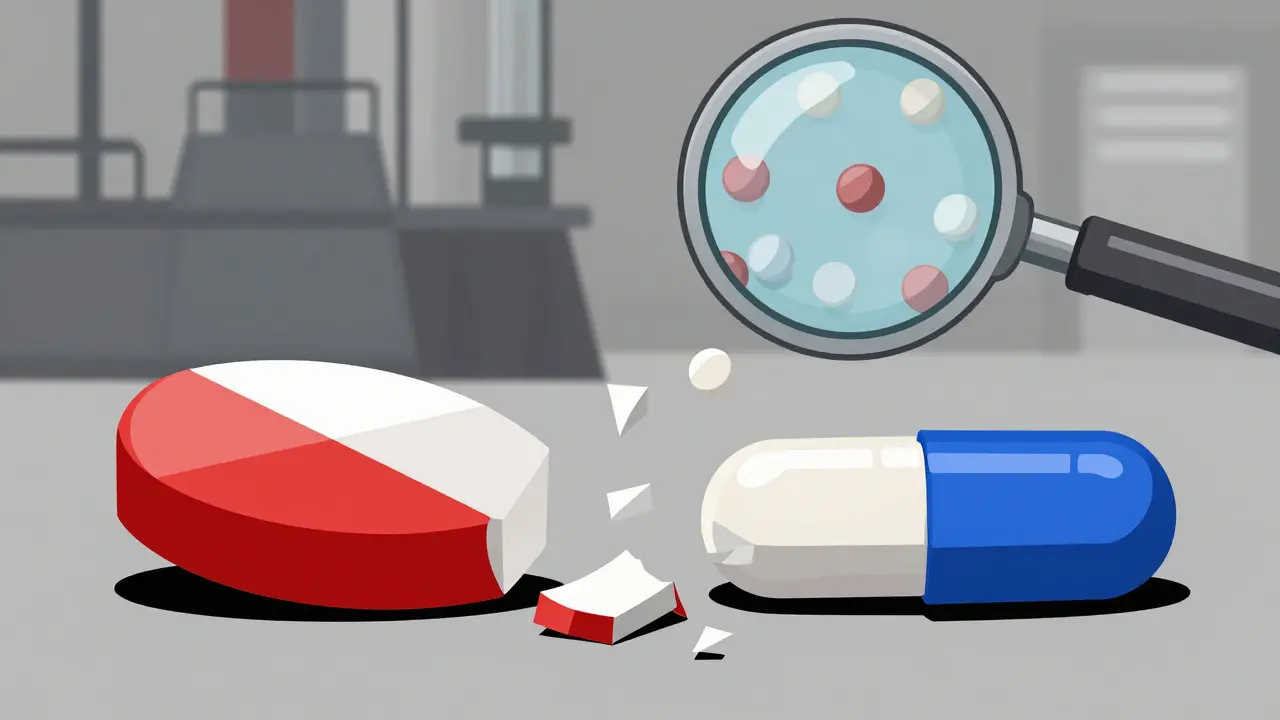
When you need to cut a pill to save money or match your dose, safe pill splitting, the practice of dividing tablets or capsules to adjust dosage. Also known as pill cutting, it’s a common trick—but not all pills are meant to be split. Doing it wrong can lead to uneven doses, lost medication, or even dangerous side effects. The FDA doesn’t ban pill splitting, but it does say only certain drugs are safe to divide. Immediate-release tablets without coatings or special layers are usually okay. But extended-release, enteric-coated, or capsule-form meds? Never cut those.
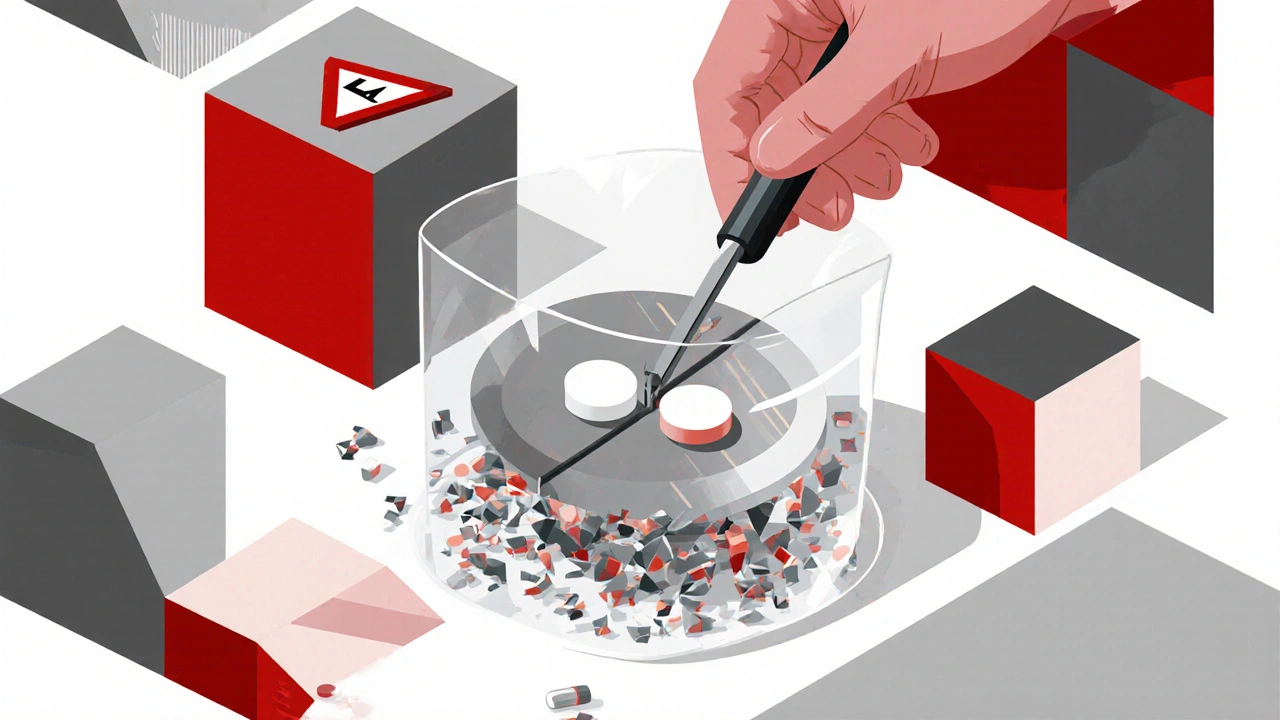
Pill splitters, simple handheld devices designed to cut pills evenly. Also known as medication cutters, they’re cheap, easy to use, and far safer than using a knife or scissors. A good pill splitter holds the pill steady and gives you a clean break. But even with the right tool, you still need to check with your pharmacist. Some pills, like those for heart conditions or epilepsy, need exact dosing—tiny differences can cause problems. And don’t split pills that have a score line unless you’re sure it’s meant for splitting. A score isn’t always a green light.
Medication dosage, the amount of drug your body gets at one time. Also known as drug dose, it’s not just about how many pills you take—it’s about how evenly the active ingredient is spread. If you split a pill and one half looks smaller or crumbles, you’re not getting the right amount. That’s why some doctors avoid prescribing split pills altogether, especially for older adults or people on multiple meds. But for others, splitting is a smart way to stretch a prescription. Generic versions of drugs like lisinopril, atorvastatin, or metoprolol are often cheaper when bought in higher doses and split.
Always check the label. If it says "do not crush or split," leave it whole. If it’s a capsule, don’t open it unless your pharmacist says it’s okay. And never split pills that taste bitter or have a strange coating—that’s usually a sign they’re designed to release slowly or protect your stomach. Also, avoid splitting pills in advance. Moisture, heat, and air can break down the medicine over time. Split right before you take it.
You’ll find real-world examples in the posts below—like how food affects how your body absorbs split meds, or how generic drugs are tested to make sure they work the same as brand names. Some posts even show you how to spot when a pill isn’t meant to be cut, or how to talk to your pharmacist about switching to a lower-dose tablet instead. This isn’t about guessing. It’s about knowing which pills are safe, how to handle them, and when to skip splitting altogether.