Drug Safety: Protect Yourself from Dangerous Interactions and Side Effects
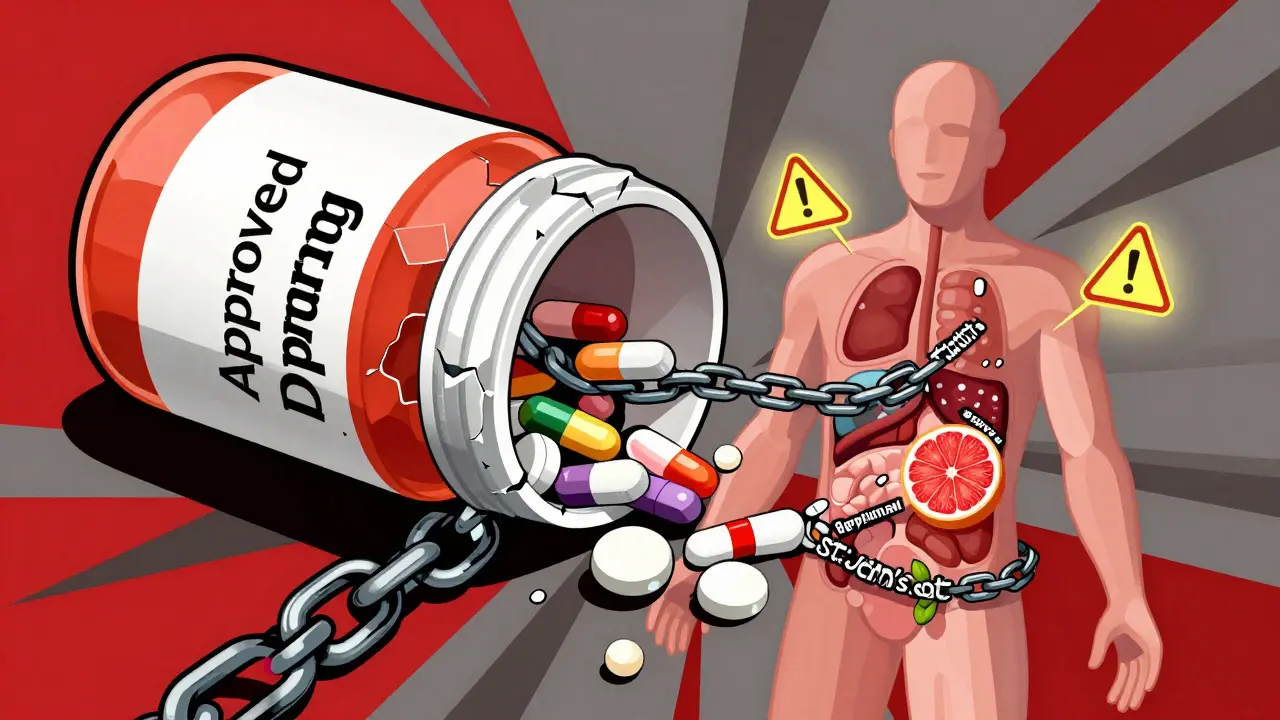
When we talk about drug safety, the practice of using medications in a way that prevents harm, overdose, or dangerous interactions. Also known as medication safety, it’s not just about following the label—it’s about understanding what your body is really reacting to. Every year, millions of people end up in emergency rooms because of something as simple as mixing a pill with grapefruit juice or taking two painkillers that both contain acetaminophen. Drug safety means knowing what to avoid, when to ask questions, and how to spot warning signs before it’s too late.
It’s not just about prescription drugs. opioid safety, a critical part of drug safety that focuses on preventing addiction and overdose, has changed dramatically in recent years. Guidelines now push doctors to try non-opioid options first, and patients are being taught to recognize the signs of dependence before it becomes a crisis. Then there’s topical medication allergy, a hidden risk where creams and ointments cause rashes that look like infections or eczema. Many people think they’re allergic to antibiotics, but the real culprit is neomycin in their eczema cream. And don’t forget pill splitting, a common cost-saving trick that can lead to uneven doses or contamination if done wrong. Crushing or splitting pills without knowing the coating or formulation can turn a safe dose into a dangerous one.
Drug safety also means thinking about your pets. Human medications are the #1 cause of pet poisonings—Tylenol can kill a cat, and antidepressants can send a dog into seizures. It means bringing your actual pill bottles to appointments so your doctor sees exactly what you’re taking, not just what you remember. It means knowing that melatonin isn’t a sleeping pill, and that stopping a beta blocker like timolol cold turkey can spike your blood pressure or cause heart problems. And it means reading the medication guide—not just the bottle—to find the antidote in case of overdose.
What you’ll find below isn’t a list of warnings. It’s a collection of real, practical fixes for the most common drug safety mistakes people make every day. From how grapefruit juice affects your statins, to why splitting pills can be risky, to what to do if your pet eats your medicine—these are the stories and solutions that actually save lives. No fluff. No theory. Just what you need to know to stay safe.