Human Medications for Pets: Safe Use, Risks, and What Works
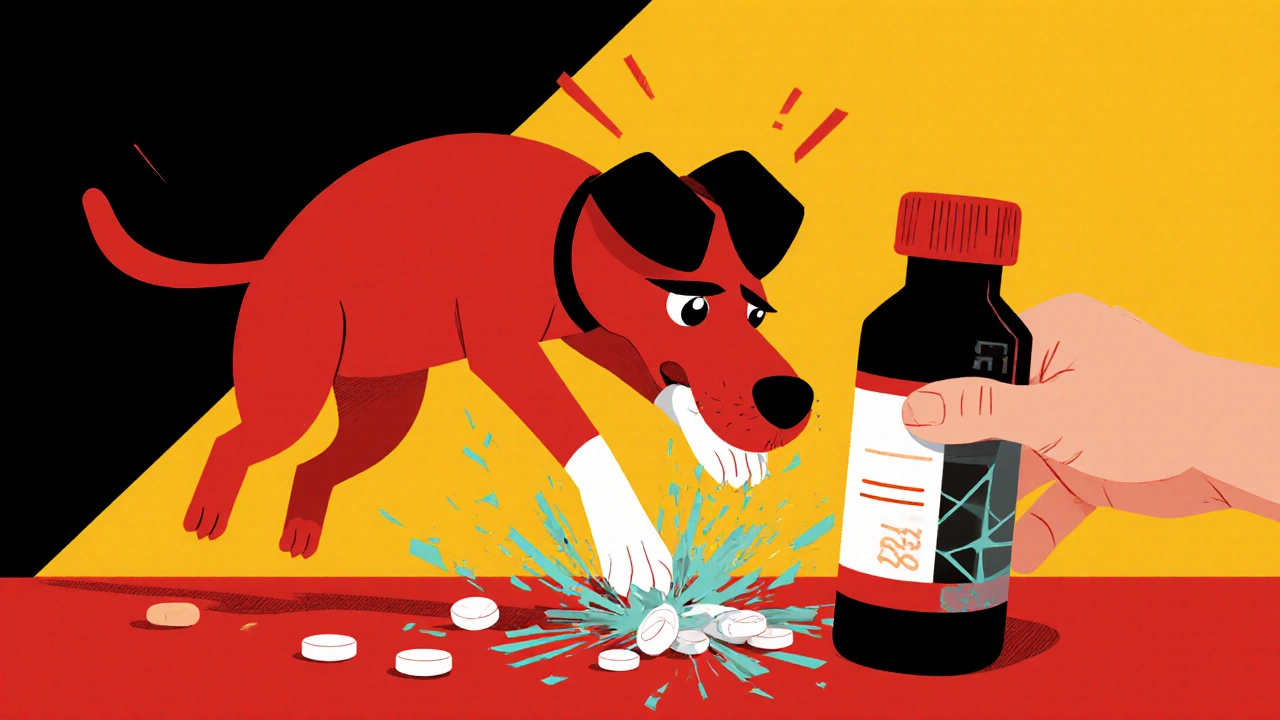
When you see your pet in pain or acting off, it’s natural to reach for that leftover pill in your medicine cabinet. But human medications for pets, drugs designed for human biology that owners sometimes give to dogs, cats, or other animals without veterinary guidance. Also known as off-label human drug use in animals, this practice is one of the most common causes of emergency vet visits. What’s safe for you can kill your dog or cat in hours. A single ibuprofen tablet can cause stomach ulcers and kidney failure in dogs. Acetaminophen is deadly to cats—even a quarter of a pill. These aren’t myths. They’re documented facts from veterinary toxicology databases.
The body processes drugs differently in animals. A dog’s liver can’t break down naproxen the way yours does. A cat’s metabolism turns aspirin into a slow poison. Even something as simple as melatonin, often used for sleep in people, can cause drowsiness, vomiting, or worse in pets if dosed wrong. And it’s not just pills. Topical creams like corticosteroids or antifungals can be absorbed through licking or skin contact. That’s why topical medication allergies, skin reactions caused by drugs applied externally that pets can ingest by grooming are a growing concern. Pets don’t know the difference between their medicine and yours. They’ll lick, chew, or roll in anything they find.
Some vets do prescribe human drugs for pets—but only after careful evaluation, exact dosing, and monitoring. For example, certain antidepressants like fluoxetine are used off-label for behavioral issues in dogs. But that’s not the same as grabbing a bottle from your shelf. The difference between a helpful dose and a lethal one can be as small as a milligram. And if you’ve ever read a medication guide, the detailed safety sheet that comes with prescription drugs, listing overdose signs and antidotes, you know how complex the warnings are. Most pet owners don’t have the training to interpret them for animals.
There’s no shortcut to safe pet care. If your pet is sick, call your vet—not your neighbor, not Google, not that Facebook group. The posts below cover real cases: how common human drugs like ibuprofen, Tylenol, and even melatonin harm pets, what to do if your dog eats your blood pressure pill, and which human medications are actually safe under veterinary supervision. You’ll also find guidance on how to store meds safely, recognize early signs of poisoning, and what to say when your vet asks, "Did you give them anything?" Don’t guess. Don’t risk it. Get the facts before it’s too late.