Kayser-Fleischer Rings: What They Mean and What Conditions Cause Them
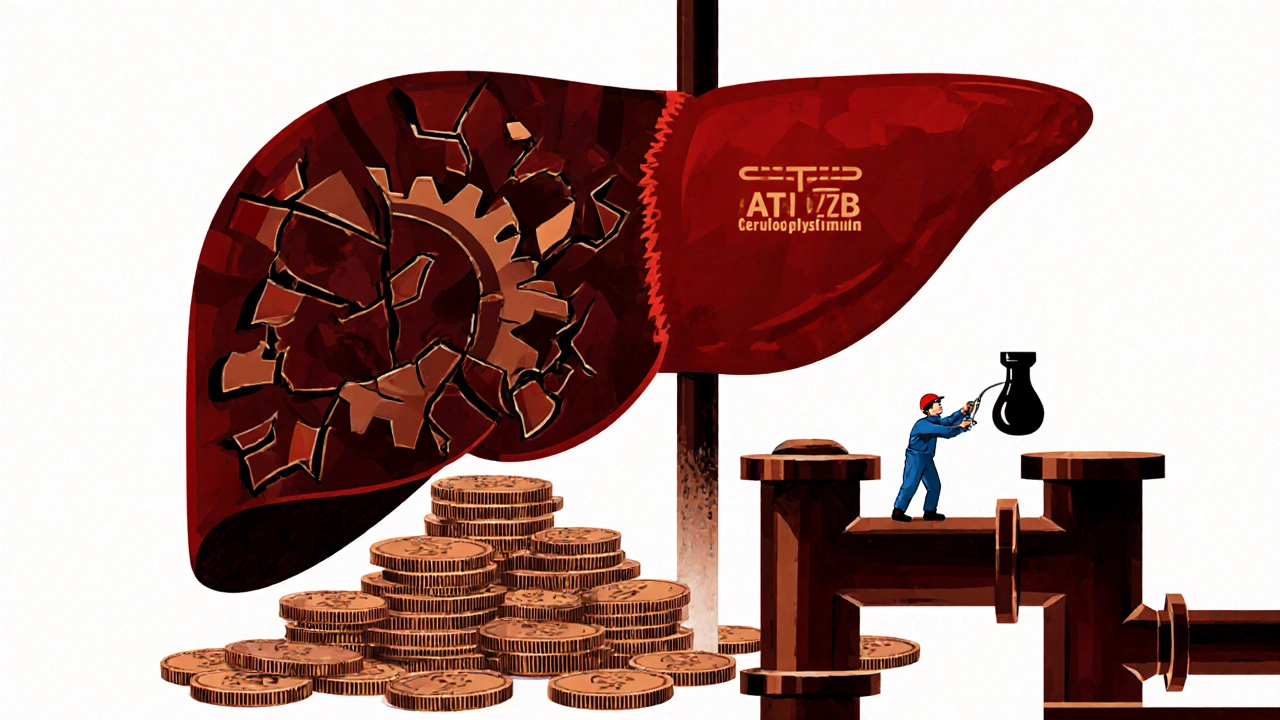
When you see a Kayser-Fleischer rings, a golden-brown or greenish ring around the cornea caused by copper deposits. Also known as corneal copper rings, they’re not just a cosmetic quirk—they’re a red flag for serious internal problems. These rings don’t appear out of nowhere. They form when too much copper builds up in your body and starts leaking into your eyes, usually because your liver can’t process it properly.
This happens most often in Wilson disease, a rare genetic disorder that stops the body from removing excess copper. Left untreated, copper piles up in the liver, brain, and other organs, leading to damage you can’t see—until you notice the ring. But Kayser-Fleischer rings aren’t exclusive to Wilson disease. They can also show up in people with chronic liver disease, especially advanced cirrhosis from alcohol or other causes, or in rare cases of long-term copper toxicity, from supplements, contaminated water, or industrial exposure. The key is this: if you or someone you know has these rings, it’s not a guess. It’s a diagnosis waiting to be confirmed.
These rings are usually spotted by an eye doctor during a routine exam, often before any other symptoms show up. People might feel fine—no nausea, no fatigue, no pain—yet the ring is there, silently warning of a ticking time bomb inside. That’s why they matter. Catching Wilson disease early means starting treatment with copper-chelating drugs before the brain or liver takes irreversible damage. Delayed diagnosis? That’s when tremors, trouble speaking, mood swings, or jaundice show up—and treatment becomes harder.
You won’t find Kayser-Fleischer rings in every person with liver issues. But when they’re there, they’re unmistakable. And they’re one of the clearest signals in medicine that something deeper is wrong. The posts below cover real cases, treatment paths, how these rings are diagnosed, and what happens when copper levels go unchecked. You’ll also find how other conditions like medication side effects or metabolic disorders can mimic or complicate the picture. No fluff. Just what you need to understand what these rings mean—and what to do next.